



Chinese Imari Porcelain Dish
A chinese imari porcelain dish brings together cobalt blue and iron red enamel in the bold palette that caught Europe's eye during the eighteenth century.
Chinese Imari Porcelain Dish
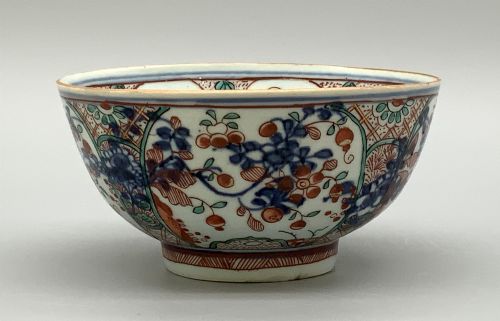
A chinese imari porcelain dish represents the intersection of Eastern manufacture and Western export tastes, appearing most frequently from the eighteenth century alongside later pieces from around nineteen hundred. These items span various forms including plates, chargers, saucers, and shell bowls created for international buyers.
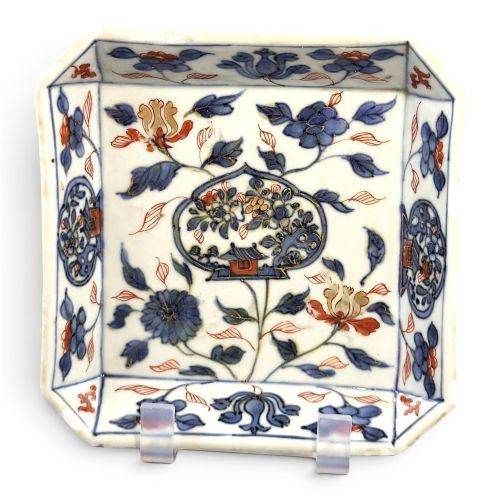
The objects on this page bridge the aesthetic traditions of the Qing dynasty and the Kangxi period with European decorative contexts. Collectors encounter round plates alongside chamfered square bowls and serving dishes decorated in the characteristic palette.
Production Methods and Materials
Artisans formed each chinese imari porcelain dish using ceramic clay, applying cobalt pigment beneath the glaze to establish the blue elements of the design. Overglaze enamels, particularly iron red and gilt bronze highlights, were then added before a secondary firing to fix the colours.
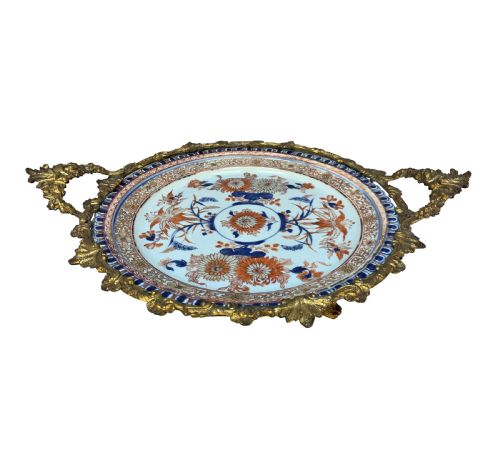
Certain eighteenth century examples incorporate luxury mounts of ormolu or gilt bronze around the ceramic body, merging Asian porcelain production with European metalworking techniques.
Listings feature eighteenth century pieces alongside items from nineteen hundred, utilising porcelain, enamel, ormolu, and cobalt pigment.
Evaluating Quality and Execution
The refinement of the cobalt pigment and the crispness of the underglaze painting determine the visual strength of the surface decoration. Superior examples display precise brushwork in both the blue underglaze and the subsequent enamel layers.
The application of gilding and the integration of ormolu mounts indicate the ambition of the original commission. Pieces with well-preserved enamel colours and balanced compositions stand apart from simpler or heavily worn domestic wares.
The Chinese Imari Porcelain Dish Glossary
- Imari
- A style of ceramic decoration originating in Japan and later replicated in China, defined by the combined use of underglaze cobalt blue, iron red, and gilt. This palette became immensely popular across European export markets during the eighteenth century.
- Qing Dynasty
- The final imperial dynasty of China, lasting from sixteen forty-four until nineteen twelve. Many fine export porcelain wares date from its earlier centuries.
- Kangxi Period
- The reign of the Kangxi Emperor from sixteen sixty-two to seventeen twenty-two, noted for technical excellence in Chinese ceramics. Pieces from this era often feature vibrant cobalt pigment.
- Ormolu
- Finely ground and high-carat gold-mercury amalgam applied to a bronze object, frequently used for mounting decorative porcelain in European settings.
- Chamfered
- Having a symmetrical sloping edge at an angle of forty-five degrees, often seen on the corners of square bowls and dishes.
Chinese Imari Porcelain Dish: Frequently Asked Questions
What is a chinese imari porcelain dish?
A chinese imari porcelain dish is an export ceramic made in China during periods like the eighteenth century, decorated with a distinct palette of cobalt blue and iron red enamel.
These pieces were produced primarily for international markets, combining traditional Eastern forms with aesthetic preferences suited to European homes.
How do I date these dishes?
Dating relies on observing stylistic markers, reign periods, and manufacturing techniques such as the quality of the cobalt pigment and the brilliance of the enamel.
Eighteenth-century examples often display the characteristic palette and potting techniques associated with the Kangxi and Qianlong eras, while later pieces from around nineteen hundred reflect subsequent manufacturing methods.
How were they used historically?
These dishes served as both functional tableware for dining and decorative display pieces in wealthy European households.
Specialised forms like shell bowls and large chargers were designed for serving butter or presenting food at formal tables before transitioning purely to ornamental display.
How should I care for one?
Care requires gentle handling, washing by hand in lukewarm water with mild soap, and avoiding abrasive sponges that might damage the overglaze enamels.
Because these ceramics often feature delicate iron red and gilt details, they should be kept secure on stable surfaces away from high-traffic areas.