



Oriental Imari Serving Bowl
An oriental imari serving bowl brings rich iron-red, cobalt blue, and gold decoration to the table, offering a striking centrepiece for any room.
Oriental Imari Serving Bowl
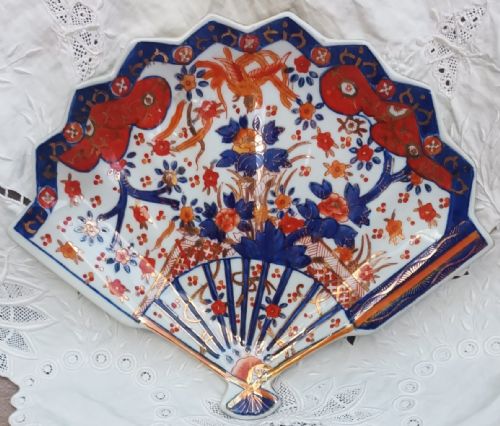
An oriental imari serving bowl represents a distinct tradition of decorated ceramic ware spanning several centuries and origins. Buyers searching for an oriental imari serving bowl encounter pieces that function as decorative bowls, dishes, and boat-shaped vessels.
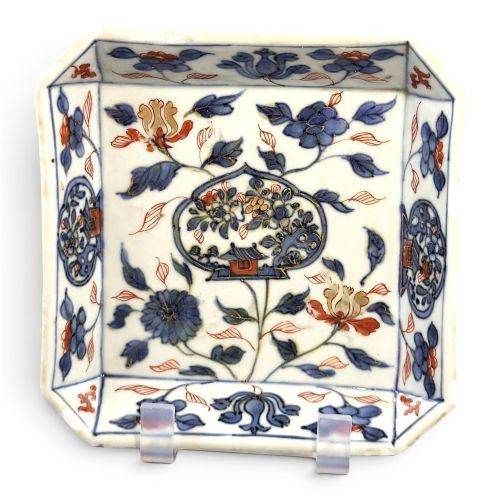
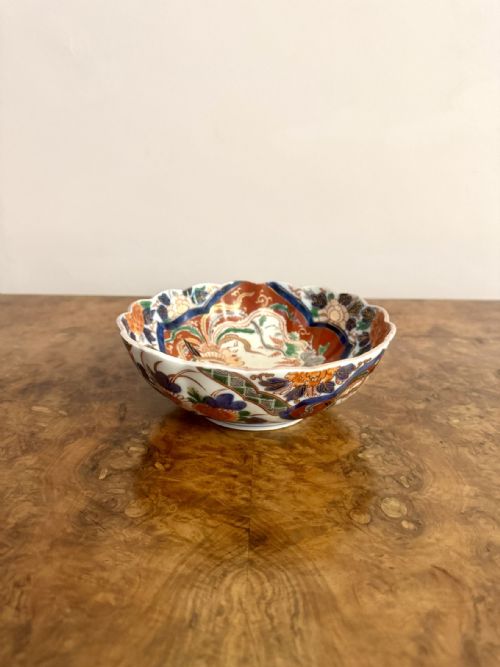
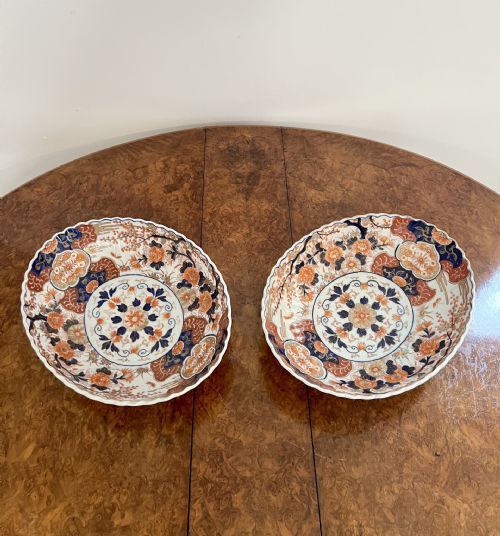
The selections on this page bridge both Japanese and Chinese export traditions, including pieces from the Kangxi period, the Edo period, and the Meiji period. Forms range from simple circular shapes to chamfered squares and scallop-edged vessels.
How they were made
Potters shaped these objects from fine porcelain, applying cobalt underglaze to create deep blue motifs before the initial firing. Artisans then added enamel colours and gold leaf or gilding over the glaze in subsequent firing stages.
Makers utilised hand painted techniques to achieve the intricate botanical and geometric patterns characteristic of these wares. Surface textures combine smooth glazed porcelain with raised enamel highlights and metallic gold details.
Some bowls are shaped like boats, proving that potters occasionally looked to the water when they tired of circles.
What varies in quality
The distinction between standard examples and superior pieces rests upon the precision of the hand painting and the complexity of the palette. Finer specimens display crisp cobalt blue underglaze work paired with rich, carefully preserved gold leaf and vibrant enamel.
Form also dictates standing, with unusual shapes like boat-shaped dishes or chamfered square bowls demanding greater skill from the potter than standard circular vessels. The preservation of the overglaze enamels and gilding over centuries determines the visual impact of each individual item.
The Oriental Imari Serving Bowl Glossary
- Imari
- A style of ceramic decoration originating from the Japanese port of Imari, featuring a palette dominated by cobalt blue, iron-red, and gold. This aesthetic heavily influenced export wares produced across Asia for Western markets.
- Cobalt Underglaze
- A blue pigment applied to the raw porcelain body prior to glazing and firing. This technique ensures the blue colour remains permanent and protected beneath a glassy finish.
- Meiji Period
- A Japanese historical era lasting from 1868 to 1912, marked by opening trade relations and prolific craft production. Pieces from this time often exhibit elaborate hand-painted surface detail.
- Kangxi Period
- An era of Chinese imperial rule from 1662 to 1722 known for exceptional porcelain output. Export wares from this time imitate or adapt Japanese decorative styles for international buyers.
- Chamfered
- Having a sharp edge or corner cut off to create a symmetrical bevel. This geometric shaping appears on select square bowls to soften the profile.
Oriental Imari Serving Bowl: Frequently Asked Questions
How do I use an oriental imari serving bowl?
These bowls serve primarily as decorative centrepieces on dining tables, sideboards, or display cabinets. Their striking colours make them ideal for focal display rather than heavy daily use.
When positioning a bowl, place it away from direct, harsh sunlight to protect the delicate overglaze enamels and gold leaf from fading over time.
Are these bowls safe for food?
While these pieces originally functioned as tableware, antique export ceramics are best reserved for display. The age of the porcelain and the presence of overglaze metallic elements mean modern culinary use is generally discouraged.
Gentle dusting with a soft, dry cloth is sufficient to maintain the surface without risking abrasion to the hand-painted details.
What does Meiji period mean for these bowls?
The Meiji period refers to a specific era in Japanese history spanning the late nineteenth and early twentieth centuries. Pieces attributed to this time reflect the high point of Meiji craftsmanship and export manufacturing.
Objects from this era frequently showcase meticulous hand painting and varied forms, including scalloped edges and boat-shaped dishes.
Why do some bowls have scalloped edges?
Potters shaped edges into waves or scallops to add textural interest and mimic natural forms like flowers or shells. This technique required greater skill during the moulding and trimming stages.
Scallop-edged vessels provide a softer silhouette that contrasts with strict geometric squares and simple circles.