
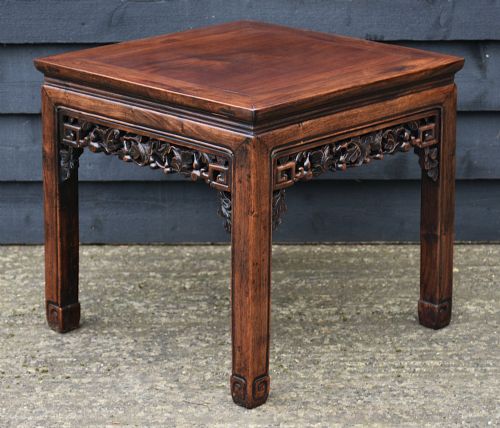
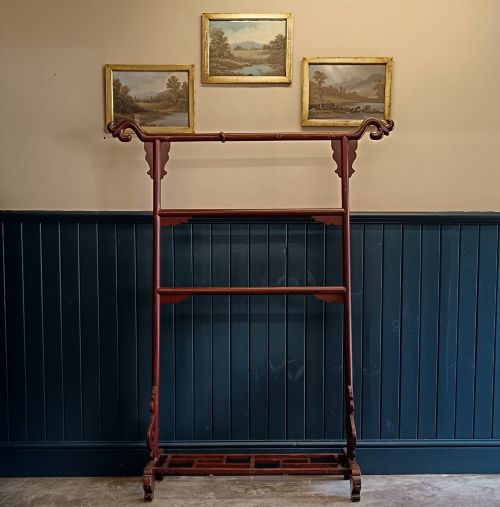
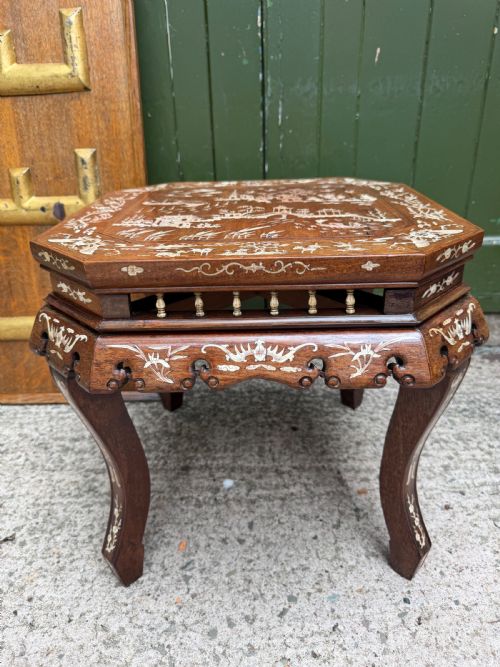
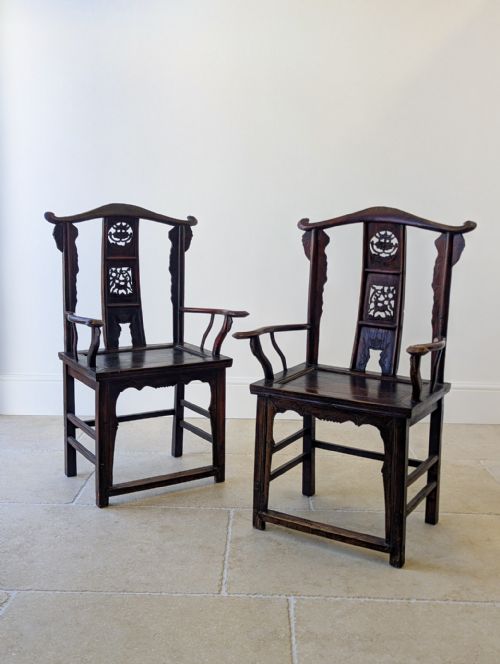
Qing Dynasty Carved Furniture
These qing dynasty carved furniture pieces bring profound historical depth and intricate craftsmanship to a room, offering enduring utility alongside striking sculptural presence.
Qing Dynasty Carved Furniture
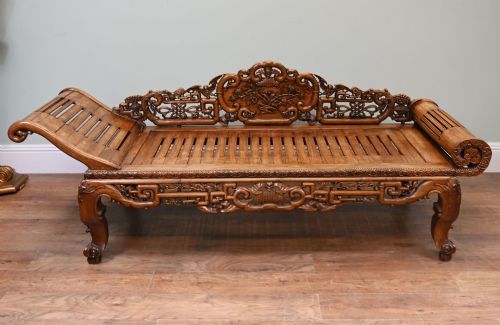
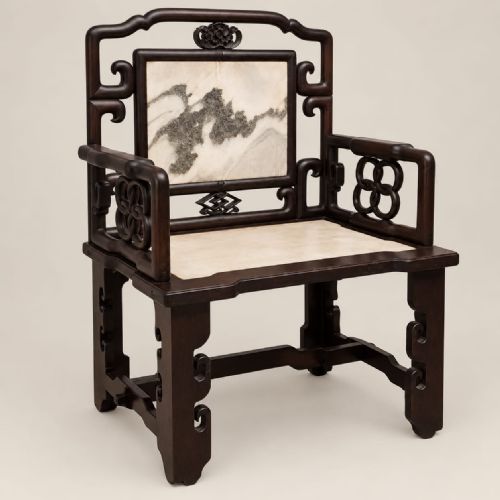
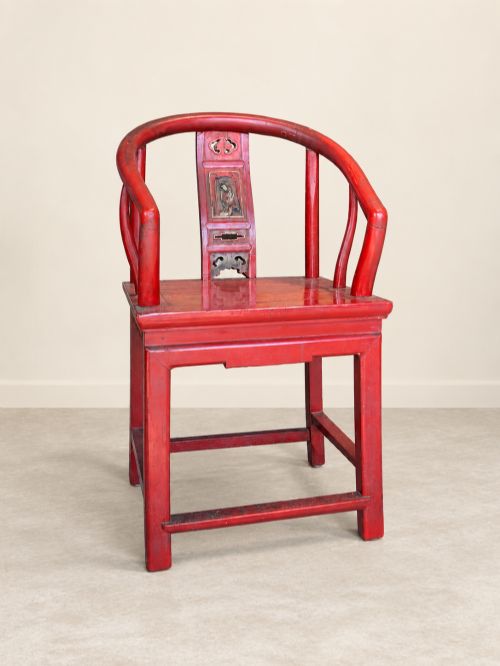
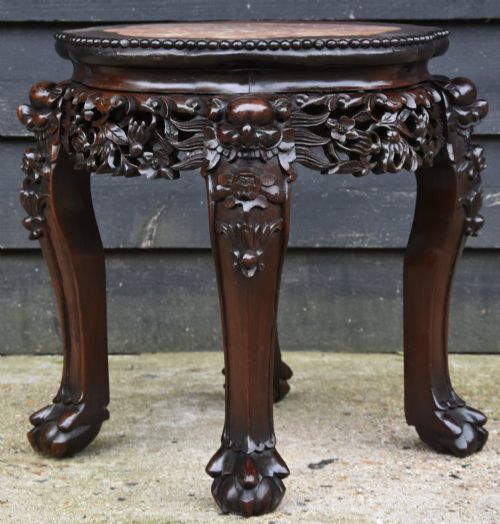
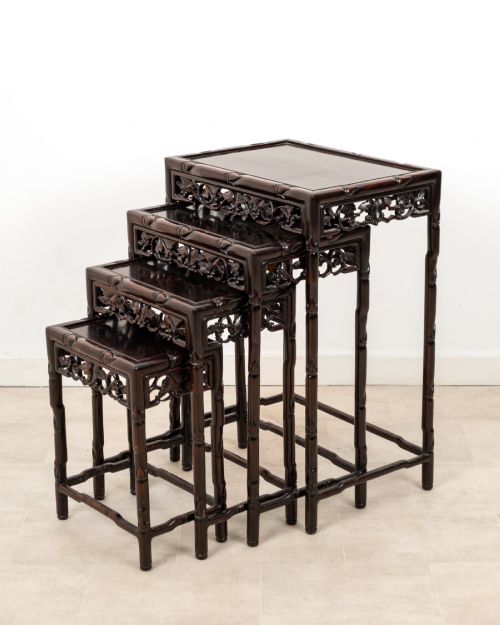
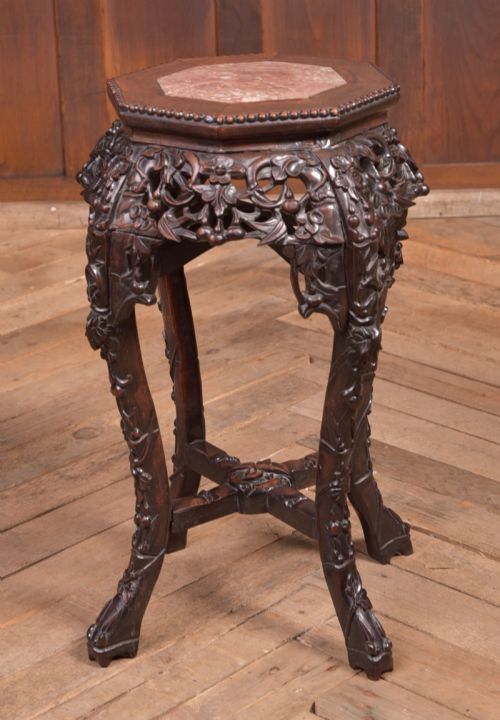
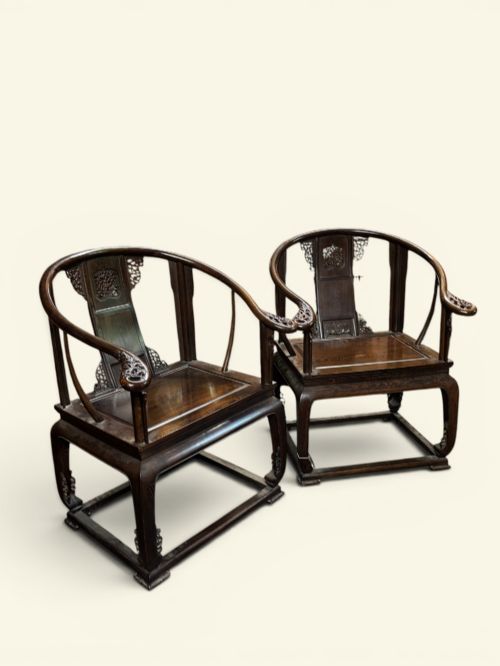
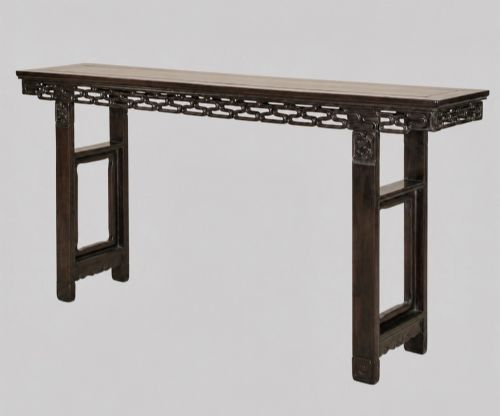
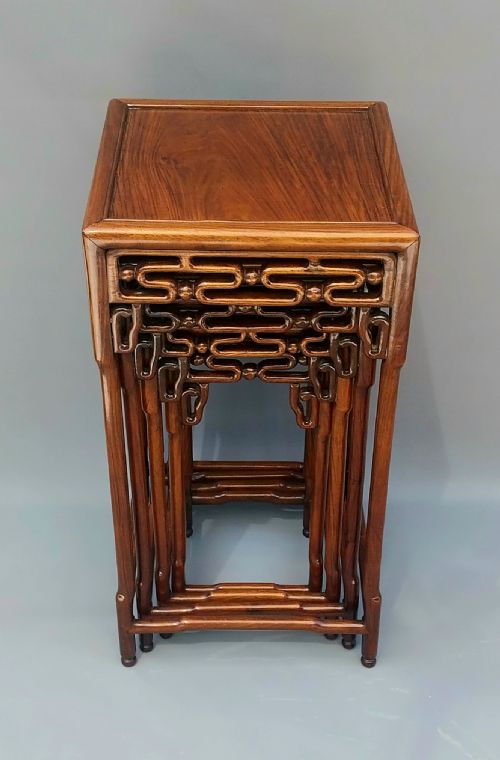
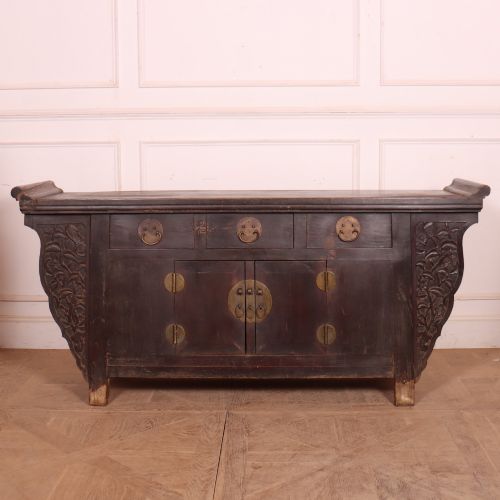
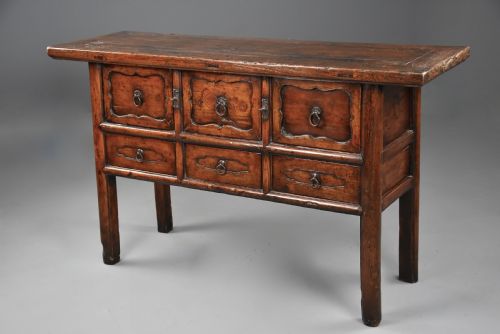
When you search for qing dynasty carved furniture, you encounter a diverse array of domestic and ceremonial objects originating from various decades spanning the nineteenth and early twentieth centuries. The selection encompasses functional seating such as armchairs and benches, alongside display pieces like plant stands, altar tables, and nests of tables.
The objects frequently display regional Chinese stylistic variations, ranging from formal rosewood items intended for scholarly interiors to provincial elm items designed for everyday utility. Many examples date from the late nineteenth century, reflecting traditional joinery traditions adapted for both domestic use and export markets.
How they were made
Maker utilisation of dense timbers such as rosewood, hongmu, and elm forms the structural foundation of these items, selected for their stability and capacity for deep relief carving. Artisans employed complex interlocking joinery systems that bypassed metal fasteners entirely, allowing the timber to expand and contract naturally with environmental changes.
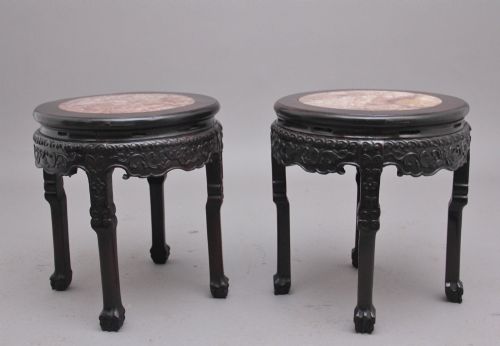
Surface treatments frequently involve traditional clear polishing to highlight the grain, alongside applications of lacquer or brass hardware for structural reinforcement and visual contrast. Inset marble panels appear regularly within table and stand tops, providing cool, smooth focal points embedded directly into the hardwood frame.
Listings feature items dated from the nineteenth century through the early twentieth century, spanning Victorian and late Qing periods.
What varies in quality
The crispness and depth of the hand-carved motifs separate standard production from exceptional examples, where undercut detailing and balanced proportions reveal the hand of a skilled artisan. Wood selection also dictates overall grade, with dense exotic hardwoods commanding greater respect than utilitarian regional timbers like elm.
Surface preservation significantly influences the standing of a piece, particularly the presence of a deep, warm patina developed through decades of careful maintenance. Original components, including inset marble slabs and brass mounts, maintain the integrity of the object far better than later replacements.
The Qing Dynasty Carved Furniture Glossary
- Hongmu
- A traditional Chinese term denoting dense, heavy hardwoods that include various species of rosewood and padouk. This material takes a fine polish and supports intricate carving without splintering.
- Altar table
- A long, rectangular table traditionally positioned against a wall for ceremonial displays or ritual objects. These pieces typically feature characteristic upturned flange ends and substantial panel construction.
- Jardiniere stand
- A tall, slender piece designed specifically to elevate potted plants, flowers, or decorative ceramic vessels. They frequently incorporate circular marble or wood tops supported by cabriole or straight legs.
- Yoke-back armchair
- A seating form distinguished by a crestrail that curves upwards at the ends like a traditional ox yoke. This design offers ergonomic support while maintaining a clean, architectural silhouette.
- Padouk
- A heavy, durable tropical timber known for its deep reddish-brown colouration and straight grain. It served frequently in high-status nineteenth-century stands and tables.
Qing Dynasty Carved Furniture: Frequently Asked Questions
How do I identify a genuine piece?
Examine the construction methods underneath and behind the object to check for traditional mortise and tenon joinery rather than modern metal screws. Genuine items display consistent timber ageing and hand-carved detailing appropriate to the nineteenth-century periods represented.
Familiarise yourself with the density of the wood and the characteristic weight of dense hardwoods like hongmu or rosewood. Natural wear patterns and an established patina across high-contact zones offer further confirmation of period origin.
Where should I place a stand?
Jardiniere stands and low tables suit corners or empty wall spaces where they can hold ceramic bowls, table lamps, or sculptures. Their vertical proportions draw the eye upward without occupying excessive floor area.
Ensure you position delicate lacquer or polished hardwood surfaces away from direct sunlight and fluctuating heat sources to protect the finish. Using breathable coasters or pads helps safeguard inset marble and wood panels from moisture.
How do I clean carved surfaces?
Dust intricate carvings regularly with a soft, dry lint-free cloth or a natural bristle brush to prevent particle buildup within the recesses. Avoid chemical polishes or abrasive cleaners that can strip the historic finish and soften the crisp edges of the relief work.
Apply a microcrystalline wax sparingly only when the timber appears dry, buffing it gently to maintain the natural sheen. Professional conservation advice should be sought before attempting any major restorative cleaning.
What defines a nesting table set?
A nest of tables consists of multiple graduated pieces designed to slide neatly underneath one another when not in use. This clever space-saving arrangement gained popularity during the late nineteenth century for entertaining and serving tea.
Each table in the set shares matching decorative motifs, timber selections, and leg structures, ensuring visual harmony whether stacked or deployed around a room.