


Dark Brown Vase Table
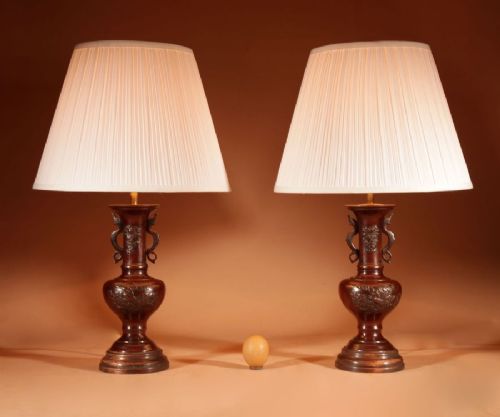
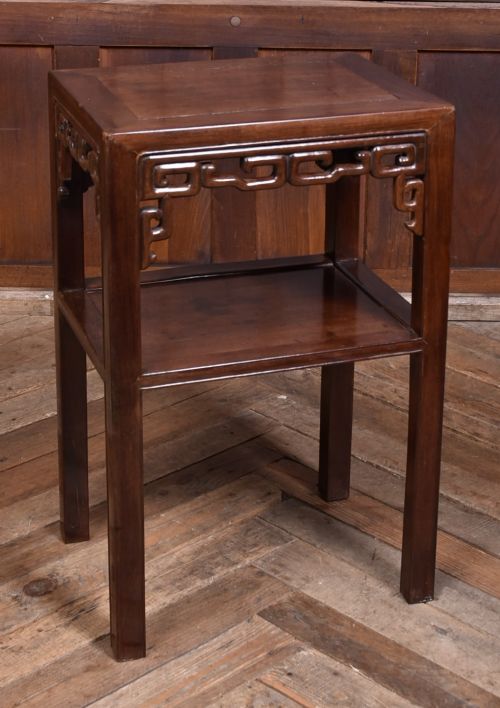
A dark brown vase table holds carved hardwood stands, patinated bronze, and bamboo vessels from the nineteenth century.
Dark Brown Vase Table
A buyer examining a dark brown vase table will encounter forms designed specifically to elevate objects of importance, from centrepieces to desk accessories and table lamps. The physical evidence shows distinct regional traditions, bridging Chinese scholars' studio pieces and Black Forest European wood carving.
Originating across Victorian and Georgian eras as well as Asian dynasties, these pieces serve as functional display furniture or decorative vessels. The predominant materials create deep, dark brown tones across both the timber stands and the patinated metal objects.
How they were made
Makers utilised dense natural materials including hardwood, yew wood, bamboo, and carved wood to build these supports and vessels. The timber pieces often exhibit intricate hand-carving characteristic of Qing Dynasty workshops and Black Forest production.
Metal items employ cast bronze with original patination to achieve deep brown surfaces, occasionally paired with marble or brass elements. Artisans combined traditional joinery for the plant stands with meticulous metal casting and patination techniques for the bronze vases and lamps.
One lonely yew wood spill vase from eighteen hundred stands quietly among a sea of bronze lamps and hardwood plant stands.
What varies in quality
The standard of a piece rests upon the depth of the carving in the hardwood and the richness of the original patination on the bronze. Superior examples display crisp detail in the foliage or structural motifs without softening from wear or later sanding.
Material selection dictates the upper tier of the range, particularly dense huali timbers and heavy, well-cast bronzes from the Meiji period. Lesser examples show simpler execution in secondary timbers and less refined surface finishes.
The Dark Brown Vase Table Glossary
- Huali
- A fragrant and dense Chinese hardwood utilised for classical furniture and decorative stands. It displays a rich dark grain.
- Meiji Period
- The era in Japanese history spanning from eighteen sixty-eight to nineteen twelve. Metalwork from this time achieved high levels of patination.
- Patinated Bronze
- Metal treated with chemical solutions or heat to create a stable dark brown surface colour. This finish protects the underlying alloy.
- Jardiniere
- A large ornamental pot or stand designed to hold plants and flowers. These often match the dimensions of vase tables.
- Spill Vase
- A small container traditionally kept near a fireplace to hold thin wood spills for lighting candles or pipes.
Dark Brown Vase Table: Frequently Asked Questions
What is a vase table used for?
These low tables and stands were traditionally placed in scholars' studios or reception rooms to elevate decorative vessels, plants, or burners. They draw the eye upward and protect delicate surfaces from heavy or damp objects.
Today, they function as versatile accent furniture for displaying ceramics, sculptures, or modern lighting within a room.
How do I date a dark brown vase table?
Dating relies upon identifying the specific wood species, carving styles, and construction methods associated with periods like the Qing Dynasty or the Victorian era. Examining tool marks and timber density helps establish the age.
Bronze items require checking the consistency of the original patination and the casting technique typical of the nineteenth century.
Are these pieces made of solid wood?
The listed items utilise dense natural materials including solid hardwoods such as huali, yew wood, and bamboo. Artisans selected these durable timbers to support heavy bronze vessels without warping.
Construction methods reflect the period of origin, employing traditional joinery appropriate for Asian and European furniture making.
How do I care for patinated bronze?
Patinated bronze requires dusting with a dry, soft cloth to preserve the dark surface layer without stripping the original finish. Avoid using liquid polishes or abrasive cleaners that might damage the historical patination.
Keeping the objects away from direct heat sources and excessive moisture ensures the metal remains stable over time.