
Qing Dynasty Bronze Vessel
A qing dynasty bronze vessel brings centuries of ritual form, heavy cast metal and scholarly tradition directly into a modern room.
Qing Dynasty Bronze Vessel
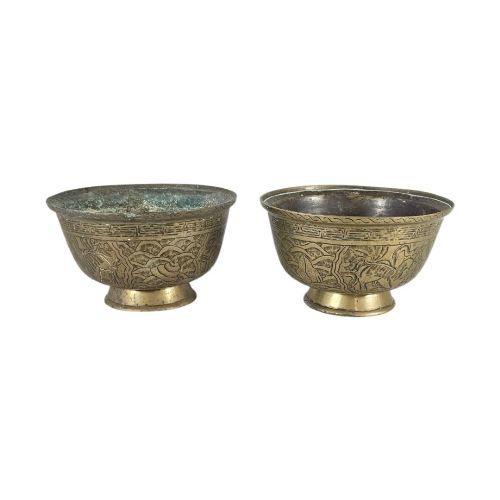
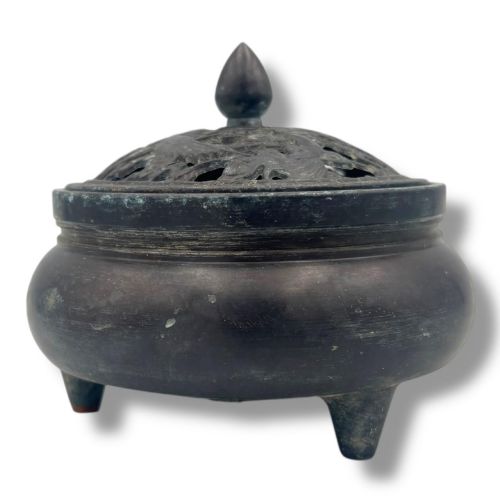
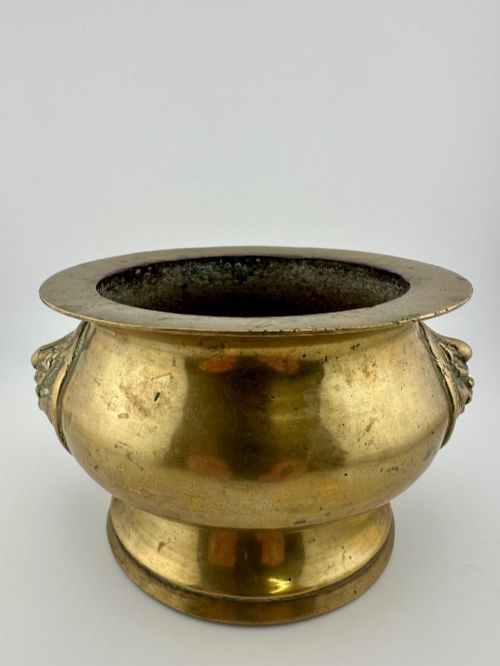
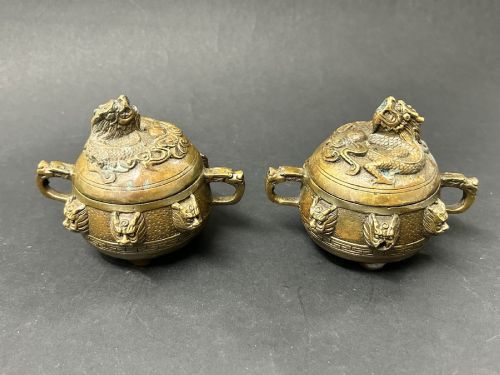
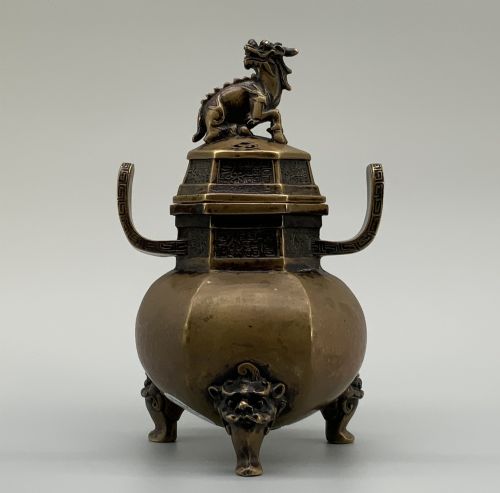
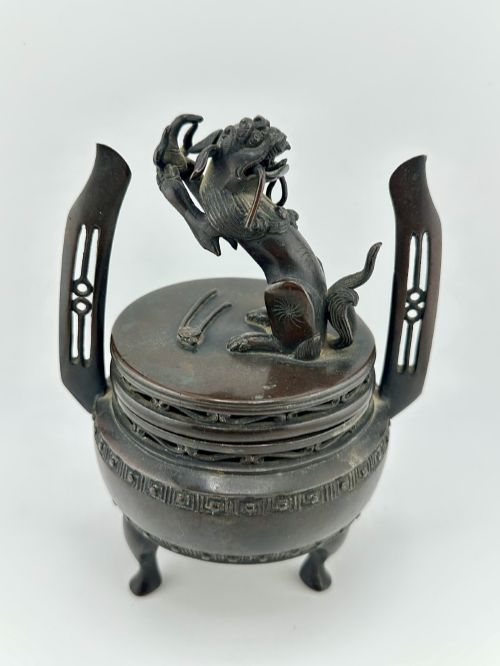
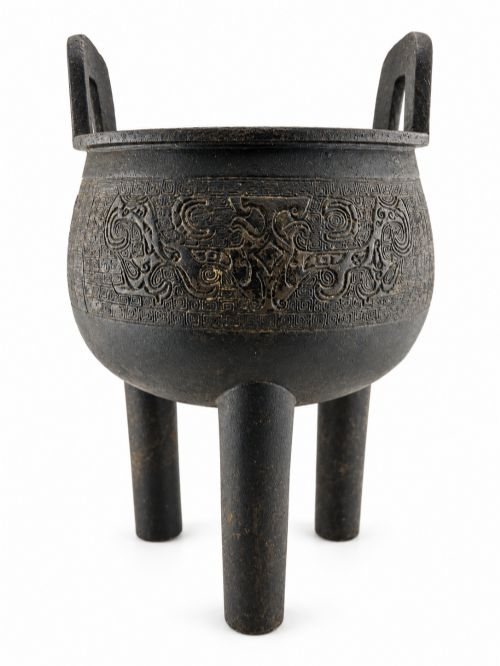
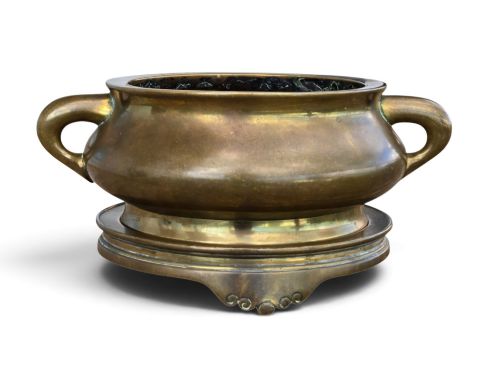
A qing dynasty bronze vessel spans functional objects intended for ritual, scholarly use, and display, originating from the seventeenth, eighteenth, and nineteenth centuries. The listings show a heavy concentration of tripod censers, incense burners, ritual food bowls, and baluster vases.
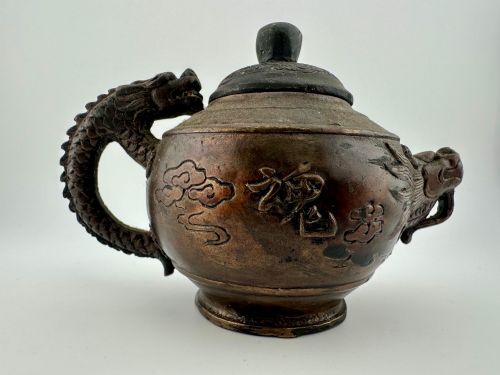
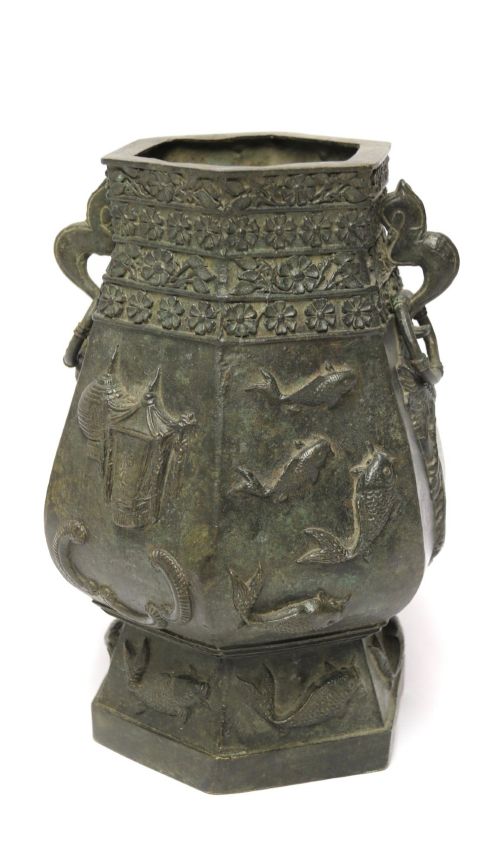
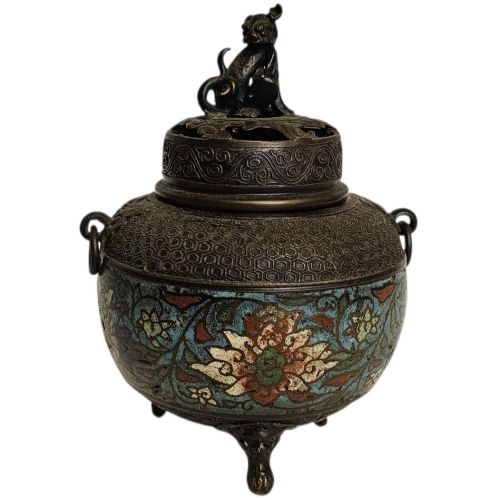
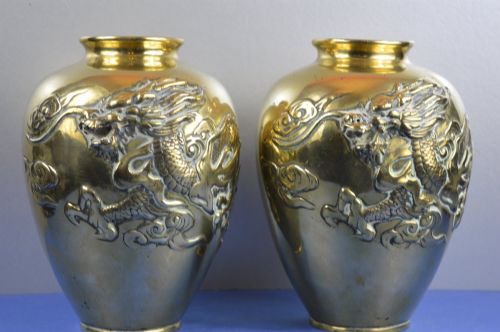
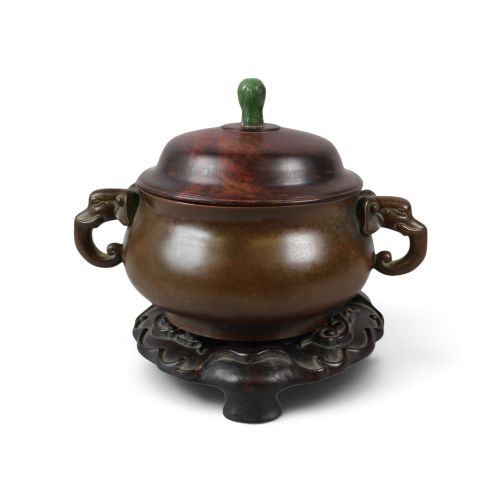
Buyers meet vessels shaped in hexagonal forms, archaic styles, and round bombé profiles. Many pieces incorporate animal handles such as lions, dragons, elephants, and qilin, alongside scholar marks or reign inscriptions.
The objects stem from a tradition of reviving ancient Chinese ritual bronzes while employing the manufacturing techniques of the Qing period. These range from heavy cabinet miniatures to massive ritual censers weighing several kilograms.
Materials and Technique
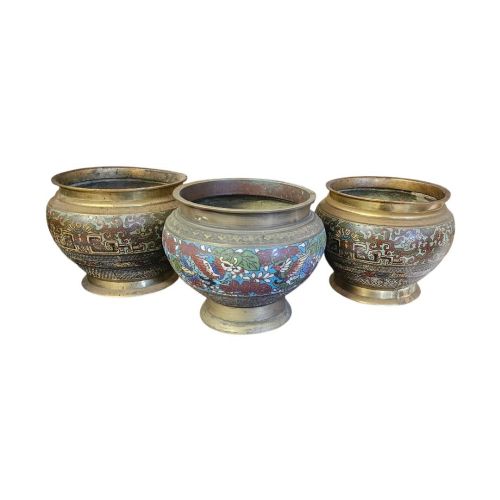
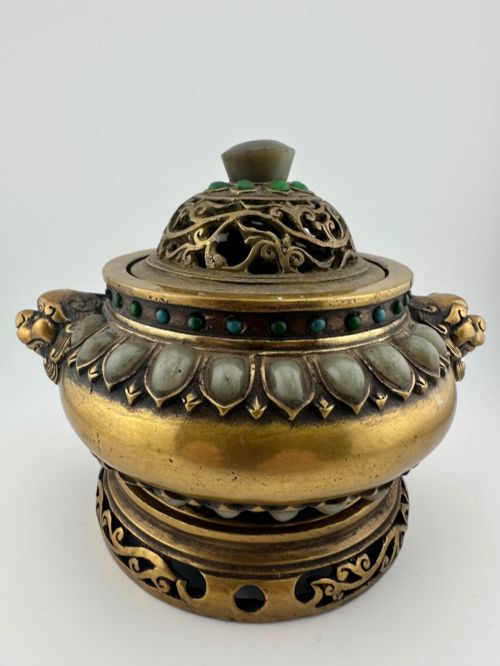
Makers utilised cast bronze, brass, and copper alloy, often creating substantial walls that yield significant weight and resonance. Surface decoration frequently integrates champlevé and cloisonné enamel, alongside inlay work featuring jade and hardstone.
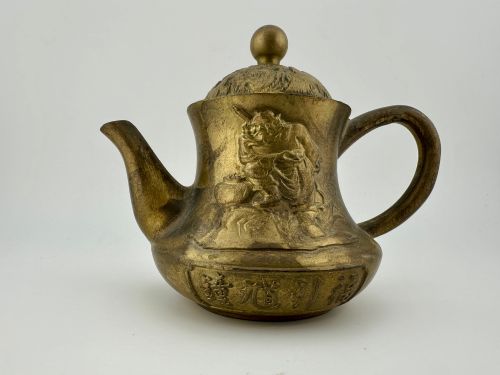
Gilt bronze surfaces and applied patinas provide depth to the metalwork, while high-relief casting articulates complex motifs like taotie masks and Daoist immortals. Artisans combined precision casting with hand-finished details such as finely chased dragon handles and carved hardwood stands.
Qing Dynasty Bronze Vessel Retail Price Guide 2026
Typical asking prices for qing dynasty bronze vessel among the pieces listed under this phrase on Sellingantiques today, from the lower quarter to the upper quarter. They describe what is for sale here now, not the wider market.
Listings show bronze vessels spanning the seventeenth, eighteenth, and nineteenth centuries, incorporating cloisonne enamel, jade, and gilt bronze.
Evaluating the Metalwork
Quality rests in the precision of the casting and the density of the metal relative to the scale of the object. Heavy, master-cast pieces show crisp definition in high-relief elements like dragon handles and taotie decoration without soft edges or pooling in the recesses.
The handling of surface patina and the integration of secondary materials such as cloisonné enamel or hardstone inlays determine the visual success of a piece. The presence of clear, well-executed base marks - whether imperial reigns or scholar studio signatures - distinguishes standard utility items from more ambitious commissions.
The Qing Dynasty Bronze Vessel Glossary
- Archaistic
- A style that consciously emulates the forms, shapes, and decorative motifs of ancient Chinese ritual bronzes from earlier dynasties. This aesthetic dominated many Qing period revivals.
- Censer
- A vessel designed specifically for burning incense during rituals or within a scholar's studio. They often feature tripod feet, fitted covers, and stylized handles.
- Cloisonné
- An enamelling technique where metal strips are soldered to the vessel body to create cells, which are then filled with coloured paste and fired. This produces vibrant, patterned surface designs.
- Xuande Mark
- An apocryphal or baseline reign mark referencing the Ming emperor Xuande, frequently stamped or cast onto later Qing bronzes as a mark of high quality and stylistic respect.
Qing Dynasty Bronze Vessel: Frequently Asked Questions
What is an archaistic bronze vessel?
An archaistic bronze vessel is a later piece created in the aesthetic style of much older historical dynasties. These objects borrow shapes and symbols from ancient ritual bronzes while using Qing period manufacturing methods.
Such pieces reflect a long tradition among scholars and collectors of valuing antiquity. They allow modern interiors to display historic ritual forms with distinct decorative motifs like taotie masks.
How were these bronze vessels used historically?
These vessels served primarily in scholarly pursuits, religious ceremonies, and formal domestic display. Many functioned as incense burners for meditation or study, while others acted as brush washers, wine vessels, or decorative bowls.
Owners placed them on custom hardwood stands within studies or reception rooms to signal cultural refinement. Their weight and presence added gravity to scholar desks and ancestral altars alike.
How do I care for an antique bronze?
Antique bronze requires minimal intervention to preserve its stable historic patina. Dusting gently with a dry, soft cloth prevents particulate buildup without disturbing the surface oxidation.
Avoid chemical polishes, abrasive cloths, or liquid cleaners that strip away centuries of natural ageing. Keeping the vessel away from damp environments ensures the metal and any inlaid enamel or stone remain secure.
What do base marks indicate on these pieces?
Base marks often record imperial reign titles or specific scholar studio names. These stamps or inscriptions link the vessel to a tradition of high-grade workshop production.
Many Qing bronzes bear Xuande marks as a tribute to earlier Ming craftsmanship rather than a literal date of manufacture. Reading these marks helps contextualize the piece within Qing dynasty revival trends.