


Late Qing Bronze Vessel
A late qing bronze vessel brings tangible weight and ritual form into a room, offering functional vessels shaped by centuries of casting tradition.
Late Qing Bronze Vessel
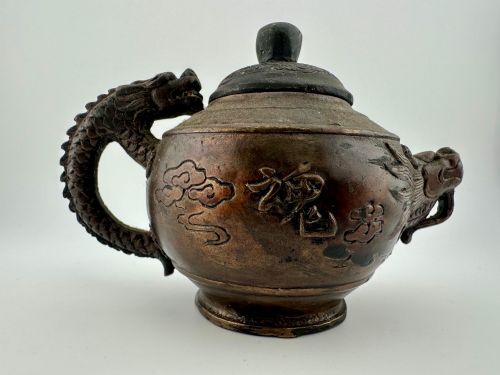
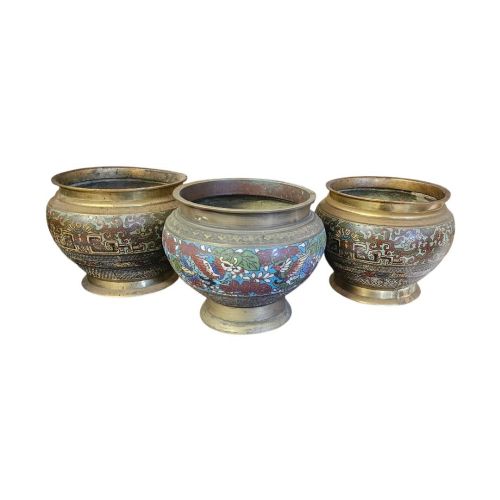
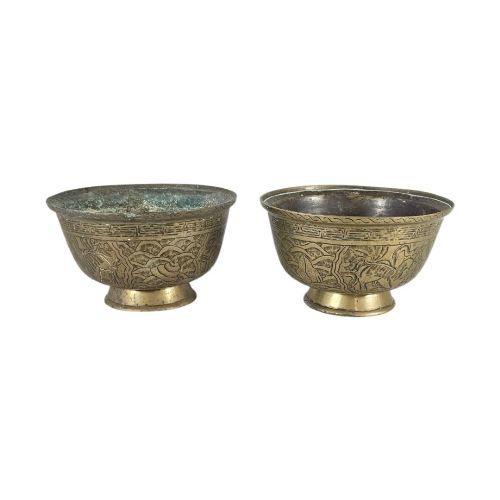
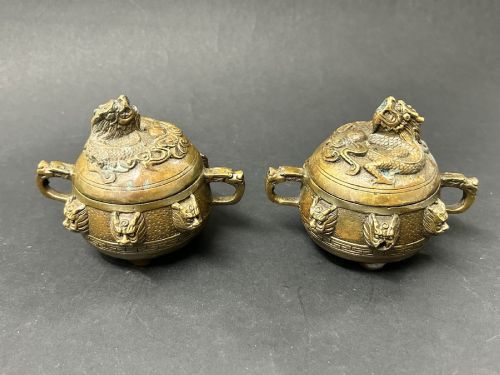
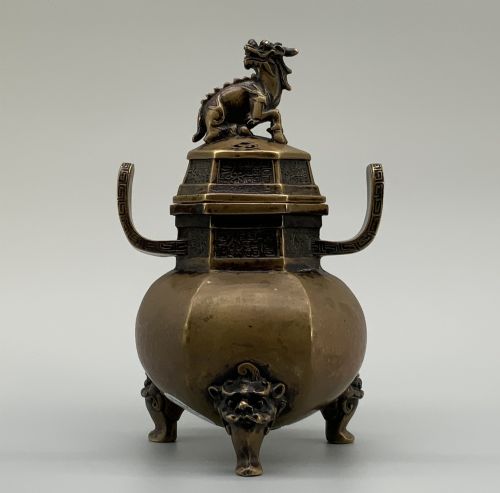
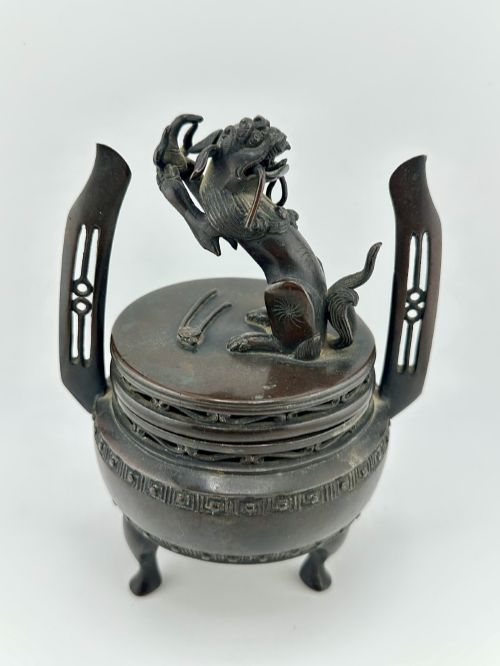
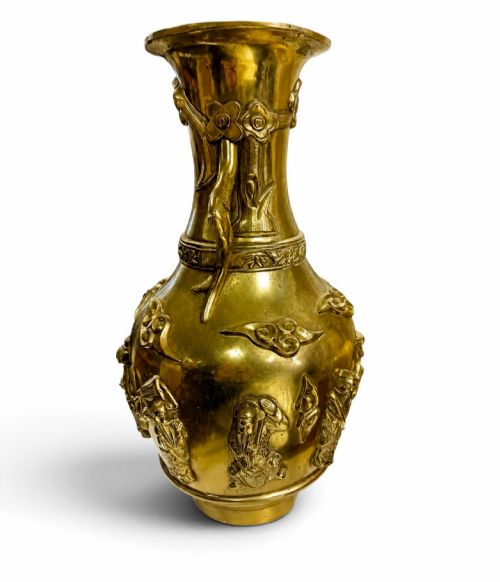
A late qing bronze vessel represents a tradition of metalwork spanning the nineteenth century and into the early twentieth century, carrying the stylistic weight of the Qing Dynasty. Buyers seeking this phrase encounter a variety of functional forms, including tripod censers, incense burners, baluster vases, jardinieres, and scholars' bowls.
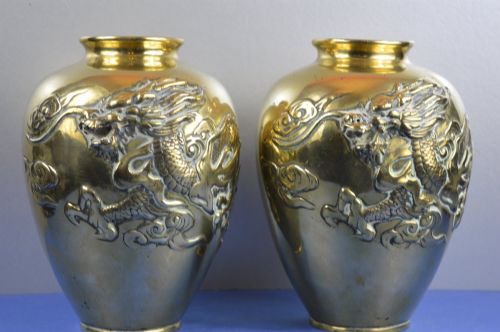
The objects listed show strong ties to domestic and scholarly display, often featuring traditional motifs like dragons, birds, and lotus details. While the majority of pieces date from the nineteenth century and around nineteen hundred, occasional examples reach back toward the seventeenth century, demonstrating continuity in form.
These items function equally well as decorative bowls, teapots, and covered vessels, reflecting both ritual use and decorative arts production of the period. Collectors will find both modest miniature scholarly pieces and substantial heavyweight items exceeding several kilograms.
What varies in quality
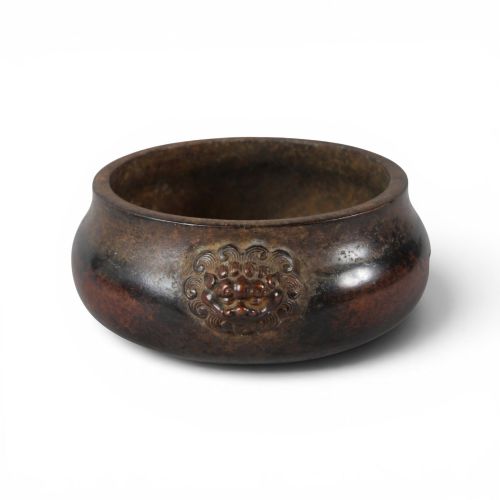
Quality in these vessels rests upon the precision of the casting and the depth of the metal relief work. Heavier, substantial pieces often demonstrate a more commanding presence and superior structural integrity compared to lighter examples.
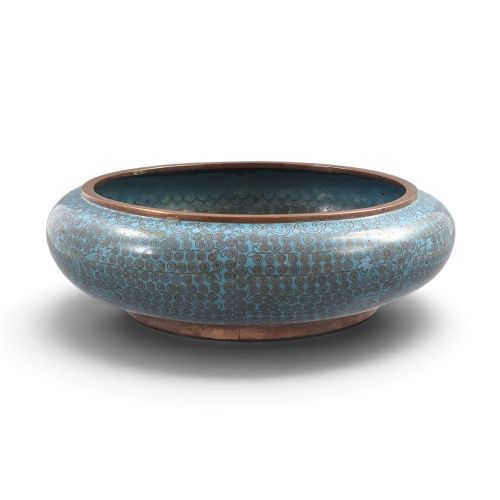
The crispness of decorative elements, such as dragon motifs or qilin finials, distinguishes finer workshop output. Additionally, the complexity of surface treatments, including integrated champlevé enamel or refined patination, separates standard utility items from superior scholarly pieces.
Late Qing Bronze Vessel Retail Price Guide 2026
Typical asking prices for late qing bronze vessel among the pieces listed under this phrase on Sellingantiques today, from the lower quarter to the upper quarter. They describe what is for sale here now, not the wider market.
The available objects span diverse forms including incense burners, baluster vases, jardinieres, and scholars' brush washers.
The Late Qing Bronze Vessel Glossary
- Censer
- A vessel designed for burning incense, frequently featuring a tripod base and a fitted cover. These often incorporate animal-form finials such as qilin.
- Champlevé
- An enamel technique where troughs or cells are carved into the metal surface and filled with vitreous paste before firing. This method creates bold fields of colour alongside exposed bronze lines.
- Cloisonné
- A method of decoration using thin metal wires soldered to the vessel body to create enclosed cells for enamel. It results in intricate, patterned surface designs.
- Patinated Bronze
- Metal treated with chemicals or heat to produce a controlled, aged surface colour and tone. This finish protects the metal while enhancing visual depth.
- Xuande Mark
- An apocryphal or archival reign mark referencing the earlier Ming emperor, frequently stamped or cast onto later Qing vessels as a mark of respect for classic styles.
Late Qing Bronze Vessel: Frequently Asked Questions
What is a late qing bronze vessel used for?
These pieces served practical and decorative functions in scholar's studios and traditional interiors, ranging from burning incense to washing brushes or holding water. Their sturdy construction made them suitable for everyday utility as well as ceremonial display.
Today, they serve well as mantel ornaments, floral displays in jardinieres, or tactile centrepieces in a modern room, retaining their original decorative purpose.
Are these pieces heavy?
Weight varies considerably depending on the specific form and intended use of the object. Miniature scholar's pieces can weigh under two hundred grams, whereas large baluster vases and heavy ritual vessels often exceed five kilograms.
Substantial weight usually indicates thick-walled casting and a generous use of copper alloy, which collectors often prize for durability.
What motifs appear on these vessels?
Dragon designs are among the most prevalent decorative elements, often depicted chasing pearls or winding around the neck of vases. You will also find birds, lotus flowers, and figural reliefs depicting Daoist immortals.
These symbols reflect traditional cultural values and imperial aesthetics maintained throughout the nineteenth century.