
Qing Dynasty Bronze Censer
When you trace the lineage of a qing dynasty bronze censer, you hold a vessel shaped for ritual and contemplation.
Qing Dynasty Bronze Censer
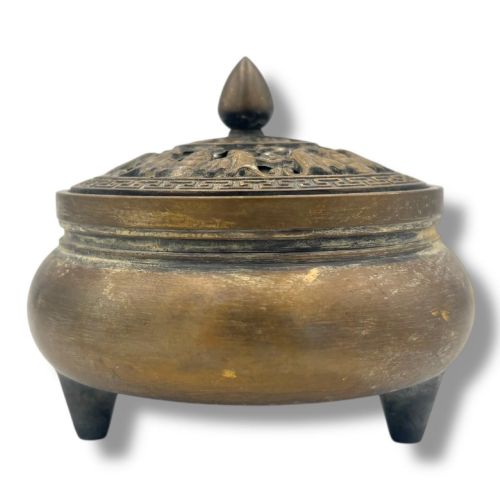
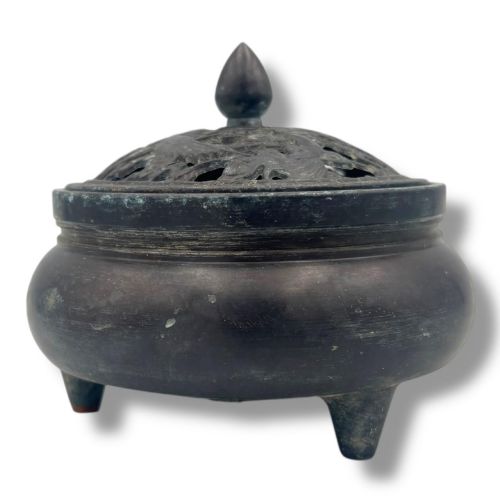
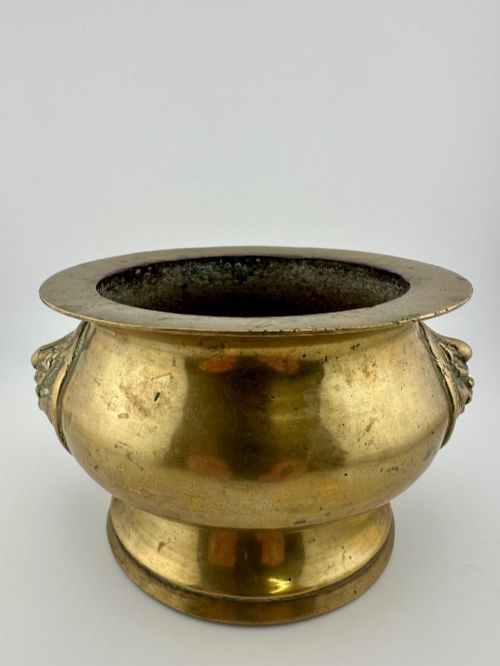
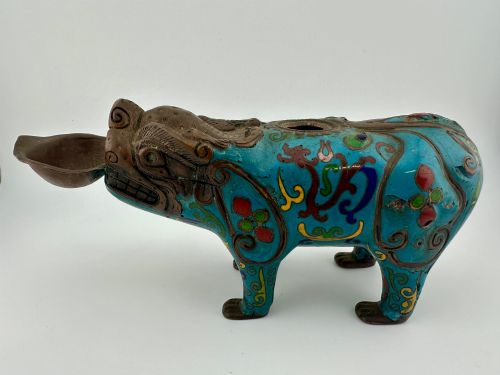
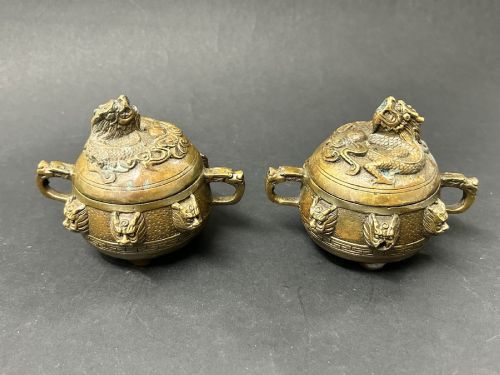
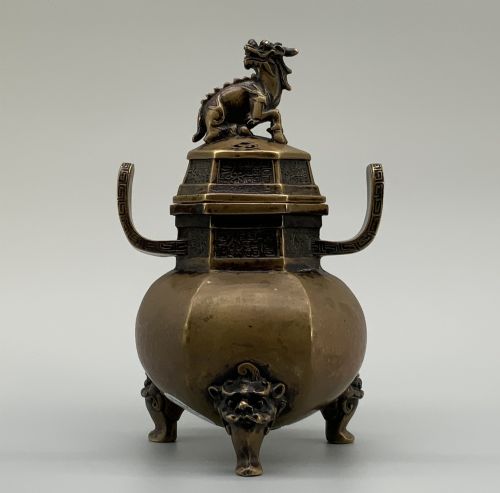
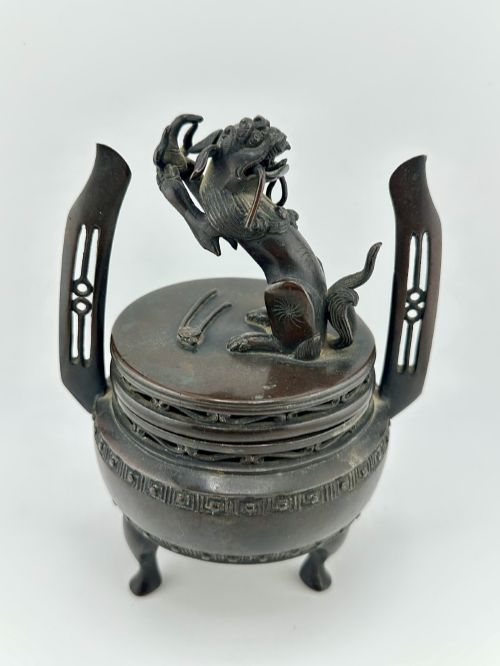
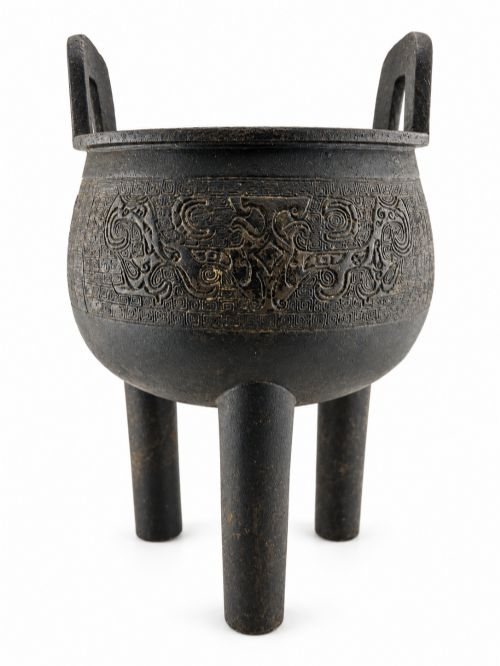
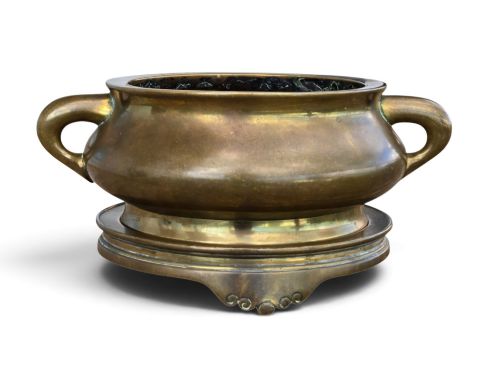
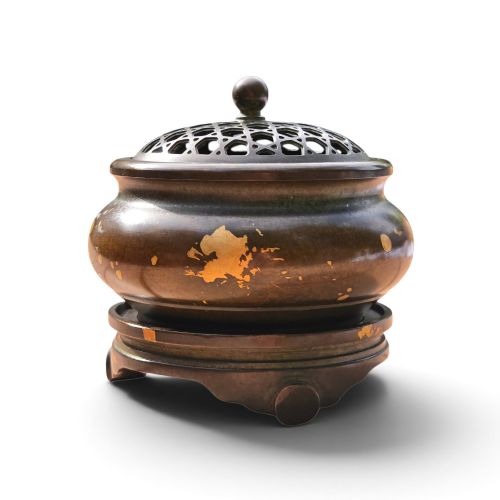
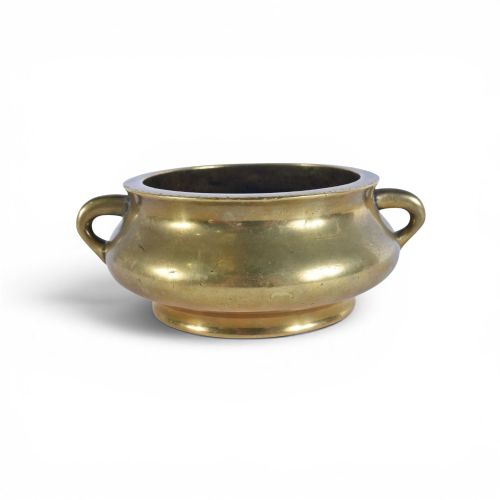
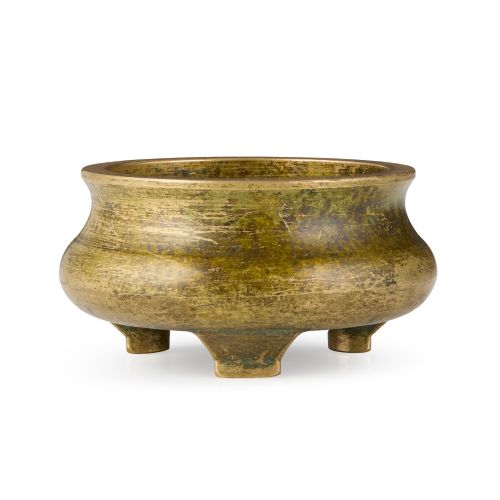
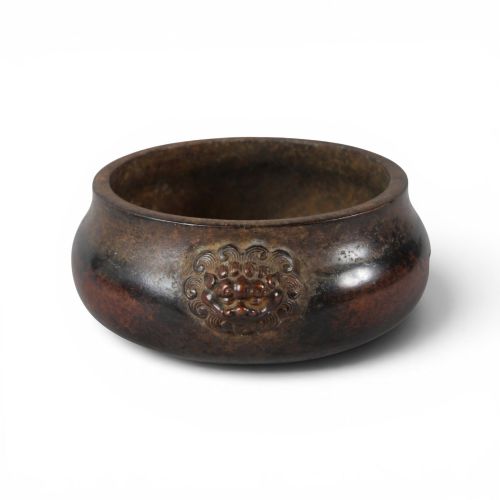
A qing dynasty bronze censer brings together centuries of ritual metalwork traditions through tripod bowls, lidded vessels, and scholar's desk pieces. The pieces seen here range from substantial archaistic ritual forms with taotie decoration down to miniature studio burners designed for burning incense.
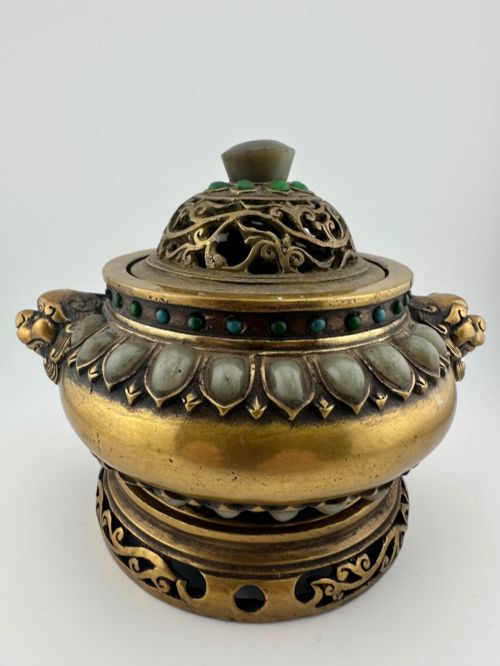
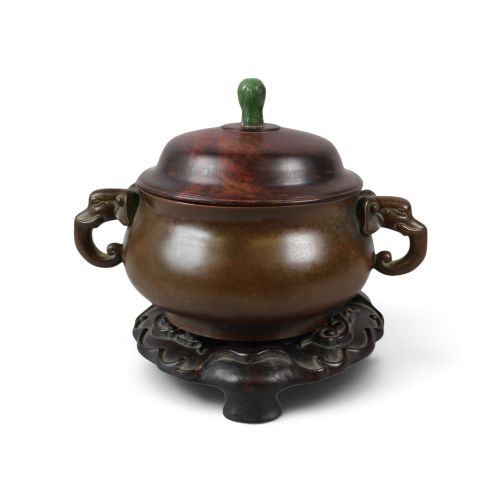
Most examples encountered on this page date from the nineteenth century, including late qing production alongside earlier eighteenth-century masterworks. These objects frequently incorporate distinctive handles shaped like lion masks, elephant heads, or dragons, often accompanied by custom hardwood stands.
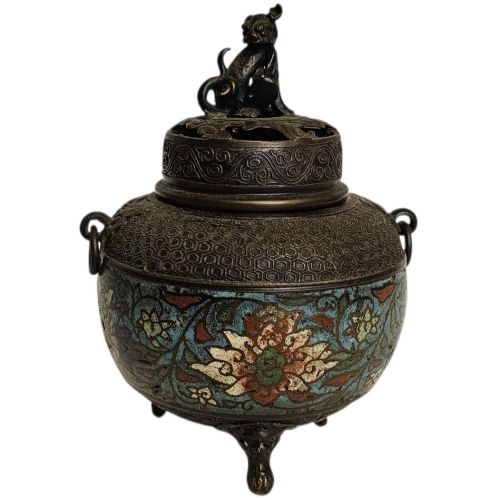
The form dictates the function, spanning from monumental temple vessels weighing several kilograms to intimate scholarly pieces meant for quiet contemplation. Lidded versions frequently feature detailed finials shaped as qilin, fu lions, or mythological beasts.
Distinguishing quality
Quality rests primarily on the crispness of the casting and the depth of the metal finish, where superior examples exhibit sharp relief work on archaic motifs and dragon handles. The density and resonance of the cast bronze also indicate the level of craftsmanship, as seen in heavy pieces with clean bell-ring tones.
Markings play a role in distinguishing workshop output, with apocryphal or studio marks such as those referencing Xuande or Wu Bangzuo reflecting the maker's adherence to classical models. The integration of matched hardwood stands and inlaid jade or hardstone elements further elevates the standing of an individual piece.
The inventory records functional variations ranging from small scholar's desk pots to monumental ritual vessels weighing several kilograms.
The Qing Dynasty Bronze Censer Glossary
- Archaistic
- Design ornamentation that deliberately imitates the ancient ritual bronzes of the Shang and Zhou dynasties. This style relies on motifs like the taotie mask to connect later pieces with antiquity.
- Taotie
- A stylized, symmetrical monster mask motif frequently cast into the body of ritual vessels. It is a defining feature of archaic and archaistic Chinese bronzes.
- Cloisonné
- An enamel decoration technique where metal wire is soldered to a bronze base to create cells that are filled with paste and fired. The resulting surface displays intricate coloured patterns.
- Patina
- The surface sheen and colour developed on the bronze over time through natural oxidation and intentional chemical treatments. A fine patina enhances the visual depth of the metal.
- Tripod
- A vessel supported by three feet, commonly seen in ancient and Qing dynasty incense burners. These legs frequently take the shape of animal limbs or stylized cabriole forms.
Qing Dynasty Bronze Censer: Frequently Asked Questions
What is a qing dynasty bronze censer used for?
These vessels served primarily for burning incense during domestic rituals, scholarly pursuits, or temple ceremonies. The rising smoke helped purify the air and created a contemplative atmosphere in studies and halls.
Over time, many functioned as decorative works of art, appreciated for their sculptural form and displayed on carved wooden stands within scholar's studios.
How can I tell an 18th-century censer from a 19th-century one?
Earlier eighteenth-century pieces often display heavier casting, refined gold-splashed surfaces, and more precise archaistic proportions. Studio marks from this era frequently reference historical periods like the Xuande reign with high fidelity.
Nineteenth-century examples tend toward varied patinas, figural animal finials, and distinct regional interpretations, though high-grade casting remained consistent throughout both periods.
What do the marks on the bottom mean?
Marks found on the base usually pay homage to earlier imperial reigns, such as the Xuande or Qianlong periods, rather than indicating exact contemporary production dates. Master craftsmen and private studios also included specific signatures or hall marks.
These inscriptions acted as marks of quality and lineage, linking the vessel back to celebrated historical standards of Chinese metalwork.
How should I clean a bronze censer?
Bronze requires minimal intervention to preserve its historic surface and natural patina. Dusting gently with a dry, soft cloth is sufficient for routine maintenance.
Avoid using liquid cleaners, metal polishes, or abrasive cloths, as these will strip away the aged patination and diminish the historical character of the metal.