
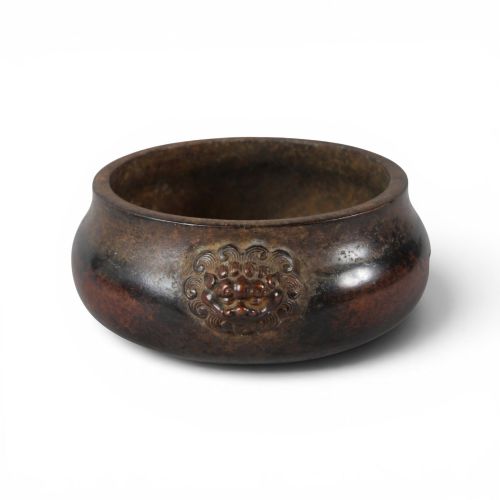


Antique Incense Burner Pot
An antique incense burner pot brings historic metalwork and ceramics into your interior, combining decorative craft with traditional ritual use.
Antique Incense Burner Pot
An antique incense burner pot encompasses vessels designed to hold aromatic materials, appearing as censers, koros, and pot pourri boxes. These pieces emerge from various historical contexts, spanning Chinese dynasties, Japanese Meiji periods, and English domestic workshops.
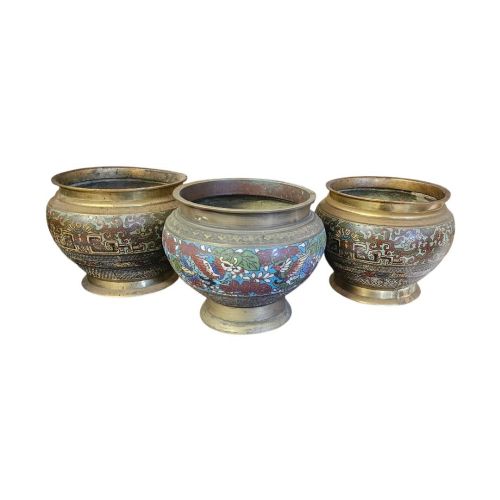
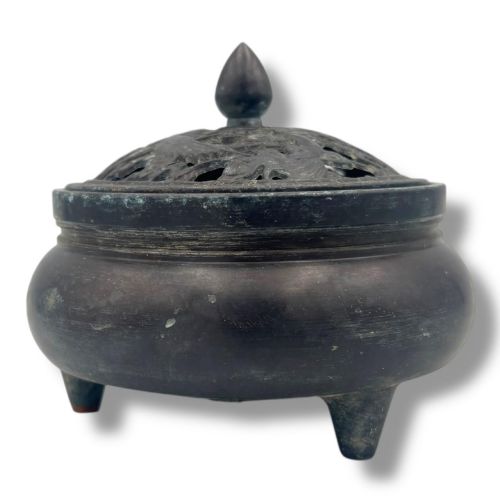
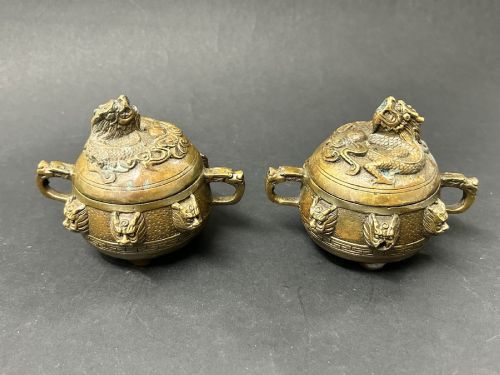
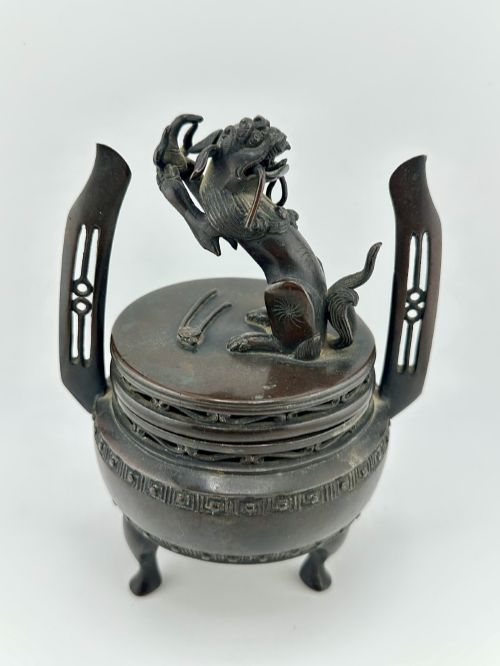
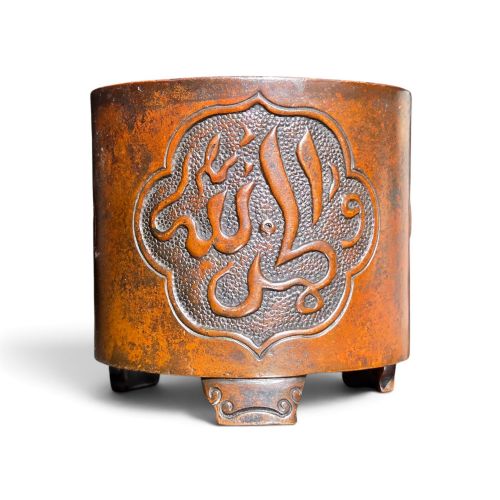
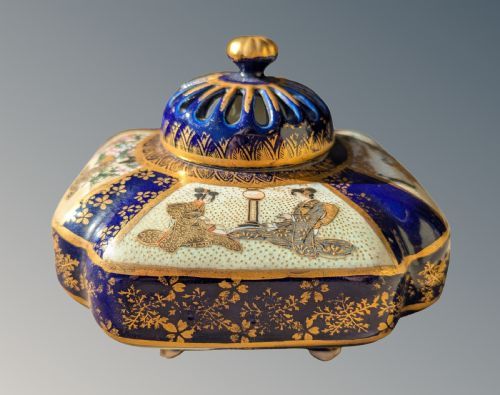
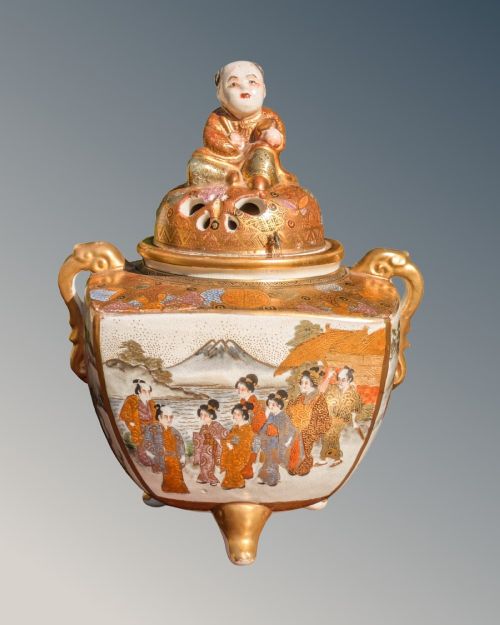
The most common examples on this page are bronze Chinese censers featuring tripod supports, animal handles, and ritual marks. Japanese Satsuma earthenware koros and English porcelain pastille burners also appear frequently.
Forms range from miniature scholar's studio pieces to monumental temple vessels and lidded garden pots. Each object reflects the specific decorative conventions of its origin, from Qing dynasty bronzes to Edwardian silver.
How these vessels were made
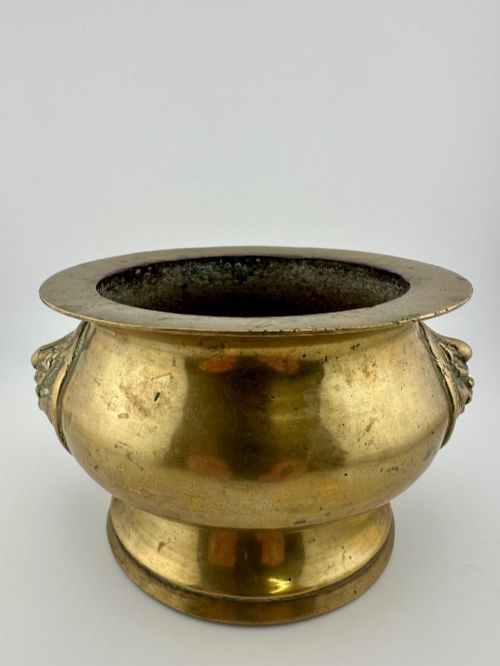
Metalwork pieces rely on bronze, brass, and copper alloy cast using traditional techniques, often enhanced with champlevé enamel or gilt details. Artisans shaped heavy metal into tripod vessels, adding cast lion masks, dragon handles, and intricate pierced lids.
Ceramic examples utilise earthenware, porcelain, and Dehua blanc de chine, shaped on the wheel or moulded before glazing and painting. Satsuma ware incorporates fine crackle glazes decorated with polychrome enamels and gold leaf.
Surface finish is integral to the construction, seen in the rich patination of scholar's bronzes and the detailed hand-painted panels of Japanese koros.
Listings feature bronze, brass, earthenware, and porcelain incense vessels spanning the seventeenth to early twentieth centuries.
What varies in quality
Weight and casting precision distinguish standard utilitarian metalwork from exceptional scholar's pieces. Heavy bronze walls, crisp relief work on dragon motifs, and well-fitted covers indicate superior craftsmanship.
In ceramics, the finesse of the potting and the delicacy of the painted decoration separate ordinary wares from fine examples. The control of the glaze and the intricacy of gilt highlights demonstrate the skill of the workshop.
Kinkozan·Kotobuki do·Shizan·Walker & Hall·Chamberlain Worcester
The Antique Incense Burner Pot Glossary
- Censer
- A vessel designed for burning incense, typically featuring a body, lid, and supporting feet. Many examples include pierced covers to allow smoke to escape.
- Koro
- A Japanese term for an incense burner, commonly associated with ceramic Satsuma ware featuring three legs and a decorative cover.
- Tripod
- A vessel supported by three feet, a common structural form for bronze and ceramic incense burners across Asian traditions.
- Champlevé
- An enamelling technique where troughs are carved into a metal surface and filled with vitreous enamel before firing.
- Pastille
- A small scented paste or pellet burned to perfume a room, housed in specialised porcelain or pottery burners.
Antique Incense Burner Pot: Frequently Asked Questions
How do I use an antique incense burner pot?
These historic vessels accommodate loose incense, cones, or pastilles placed inside the bowl. Ensure the surface beneath the tripod feet is protected from heat during use.
Many pieces feature fitted covers with pierced designs to diffuse smoke safely into the room. Empty ash regularly to preserve the interior metal or ceramic finish.
What is the difference between a censer and a koro?
A censer is a general term for any vessel used to burn incense, spanning various cultures and centuries. A koro specifically denotes the traditional Japanese form of incense burner.
Both types frequently utilise tripod bases and lidded designs, though koros often display characteristic Satsuma earthenware and gilded decoration.
How do I date a bronze incense burner?
Dating relies on examining the casting style, surface patination, and any reign marks stamped or cast into the base. Stylistic details like dragon handles or qilin finials align with specific periods such as the late Qing dynasty.
Comparing the weight and alloy composition against documented scholar's pieces helps narrow the decade of production.
How do I clean an antique bronze burner?
Dust the surface gently with a soft, dry cloth to preserve the natural historic patina. Avoid using chemical polishes, abrasive cloths, or water on aged bronze.
If the interior holds residual ash, remove it carefully with a soft brush without disturbing the metal underneath.