


Late Qing Dynasty Metalwork
Late qing dynasty metalwork brings substance to a room through heavy bronze, brass, and enamel forms shaped in nineteenth-century China.
Late Qing Dynasty Metalwork
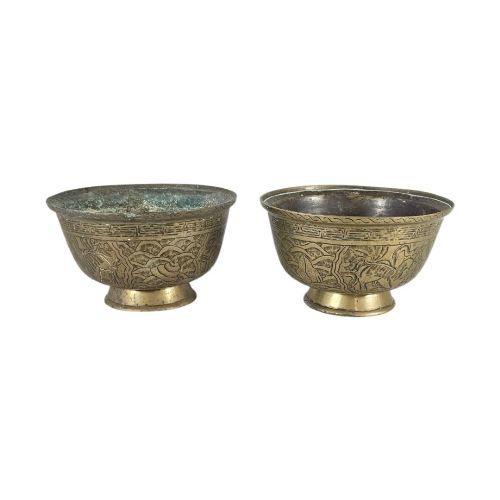
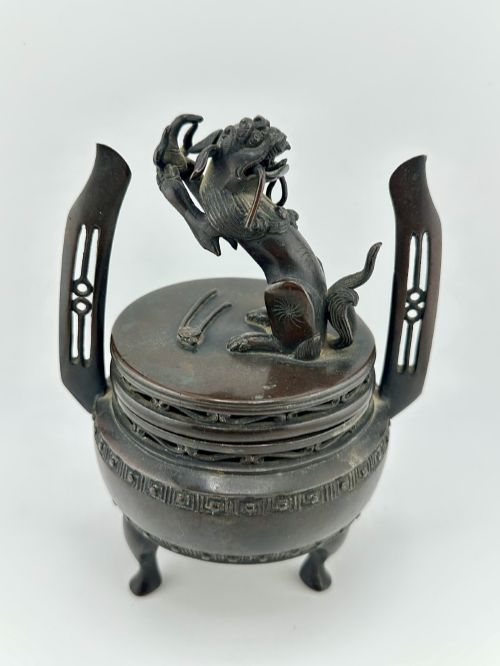
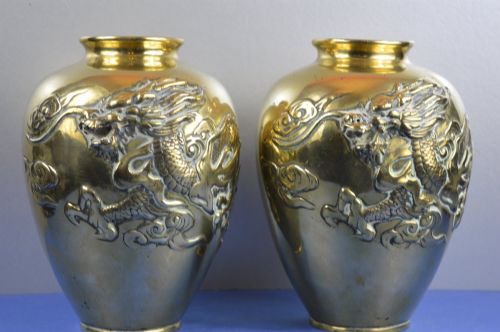
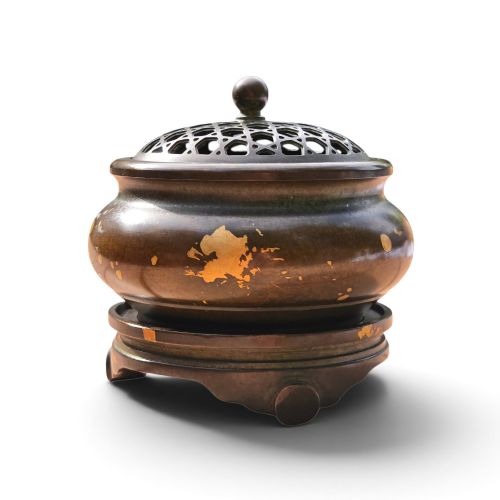
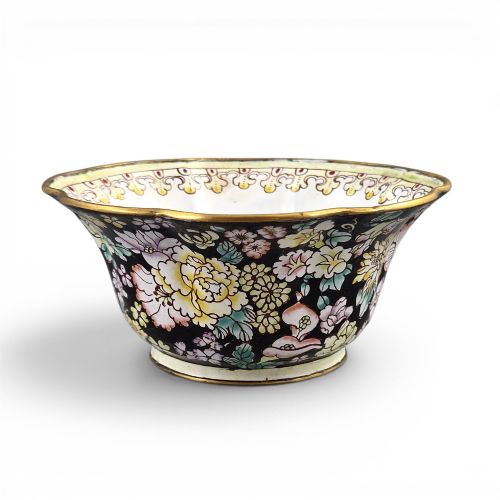
Late qing dynasty metalwork comprises vessels, figures, and scholar's objects created across the nineteenth century and around nineteen hundred. The pieces encountered most frequently on this page are bronze and brass vases, decorative bowls, tripod censers, and incense burners.
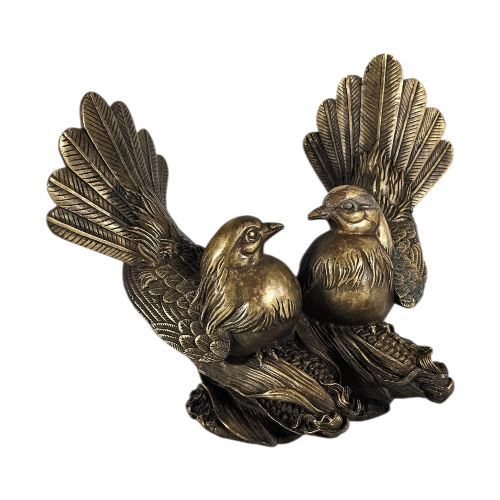
Makers shaped these utilitarian and decorative forms using bronze, copper alloy, and brass, often finishing surfaces with enamel, gilt bronze, or gold leaf. The resulting objects reflect the traditional craft output of late imperial China, spanning functional scholar's desk items to large decorative vases and animal pairs.
How they were made
Artisans utilised bronze, brass, copper, and antimony as base metals, shaping them into tripod censers, heavy vases, and decorative bowls. Molten metal was cast and finished by hand, frequently incorporating applied details like qilin finials or birds and lotus motifs.
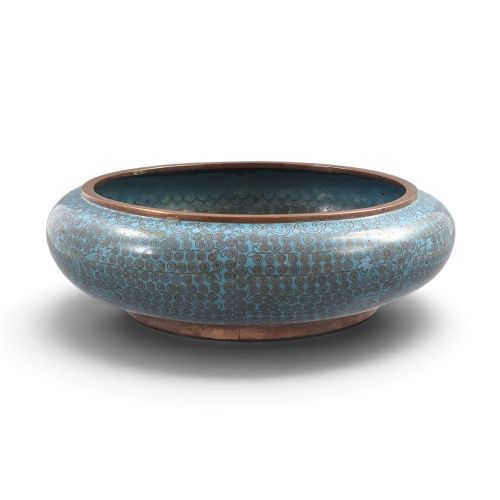
Surface ornamentation involved cloisonné enamel, painted enamel on copper, gold gilding, and gold leaf application. These decorative layers were fused or applied to the metal body to create rich colour and patterned contrast.
Listings feature items from the nineteenth century, eighteen-eighty, eighteen-ninety, and nineteen hundred, executed in bronze, brass, copper, and enamel.
What varies in quality
Substance and weight distinguish the construction, with heavier items demonstrating greater metal density and material investment. The proportion and definition of cast elements, such as dragon motifs or bird pairs, separate standard utilitarian output from more ambitious sculptural work.
The precision of surface treatments dictates visual success, seen in the clean application of cloisonné enamel, gold gilding, or gold leaf. Finer pieces maintain crisp chasing and stable, well-integrated patination across the entire copper alloy or bronze body.
The Late Qing Dynasty Metalwork Glossary
- Censer
- A vessel used for burning incense, frequently featuring a fitted cover and tripod legs. These forms appear often in bronze.
- Cloisonné
- An enamel technique where thin metal wires are soldered to a metal base to create compartments filled with coloured paste. This decoration covers bowls and brush washers.
- Xuande Mark
- An identifying stamp referring to the earlier Ming dynasty emperor, placed on later pieces as a mark of reverence rather than direct attribution.
- Qilin
- A mythical hooved Chinese creature often depicted as a finial on the covers of tripod censers.
- Gilt Bronze
- Metal coated with a thin layer of gold, providing a bright golden finish that endures on vases and decorative vessels.
Late Qing Dynasty Metalwork: Frequently Asked Questions
How do I clean a bronze censer?
Dust gently with a soft dry cloth to preserve the historic surface and patination.
Avoid commercial polishes or water, which can damage enamel, gilt layers, and aged bronze.
Were these vessels used daily?
Many incense burners and scholar's desk items served practical functions in studies and temples.
Others functioned purely as decorative art objects within elite late imperial interiors.
How do I identify the period?
Examine the alloy weight, casting style, and typical nineteenth-century decorative motifs.
Compare the surface finish, such as cloisonné enamel or gold leaf, against known period examples.
Where should I display these pieces?
Place heavy bronze vases and bowls on sturdy tables or desks where their weight is supported.
Keep them away from direct sunlight and excessive moisture to protect enamel and gilt surfaces.