
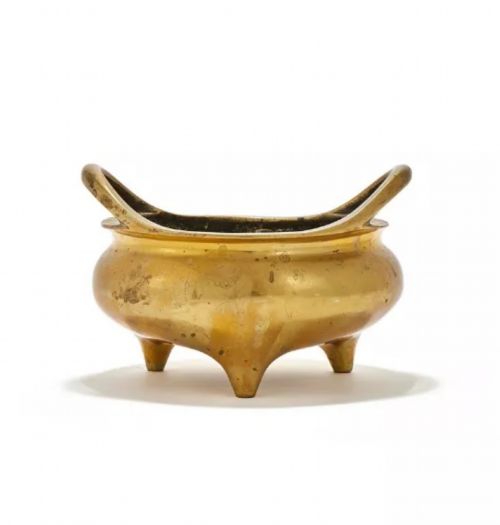
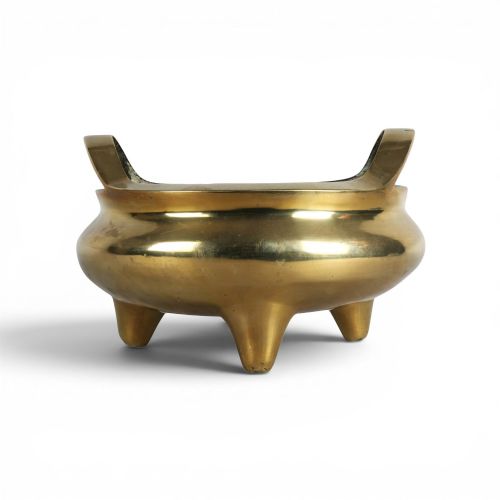


Chinese Brass Incense Burner
A Chinese brass incense burner brings centuries of ritual history and exceptional metalwork into the modern interior.
Chinese Brass Incense Burner
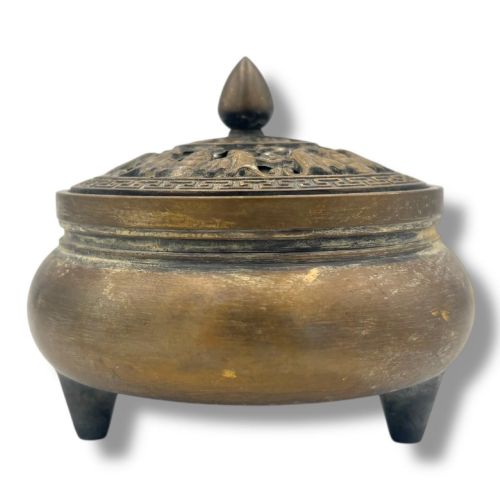
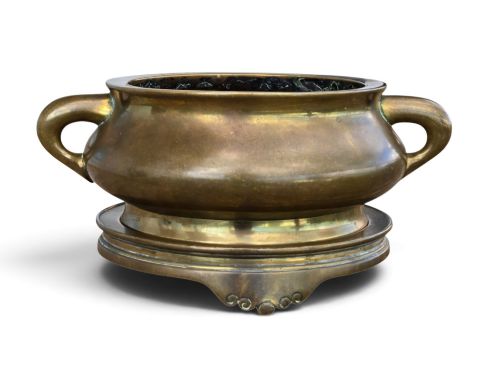
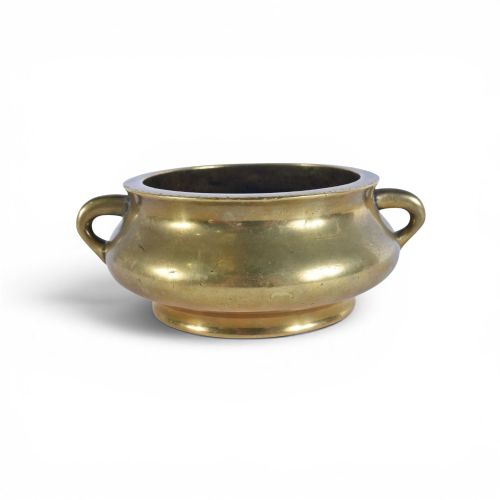
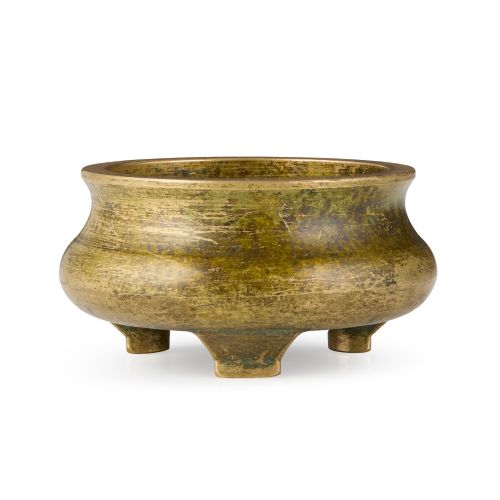
A Chinese brass incense burner takes the form of a ritual vessel, tripod censer, or bombé bowl designed for burning aromatic resins and woods. You will most frequently encounter bronze and brass examples from the eighteenth and nineteenth centuries, often styled within the Qing Dynasty tradition.
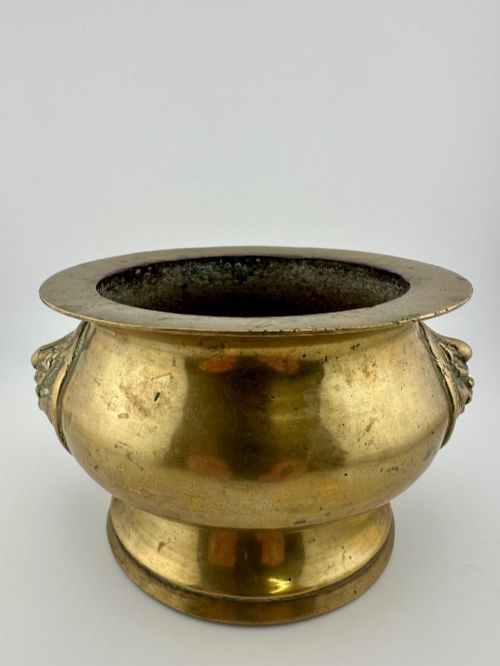
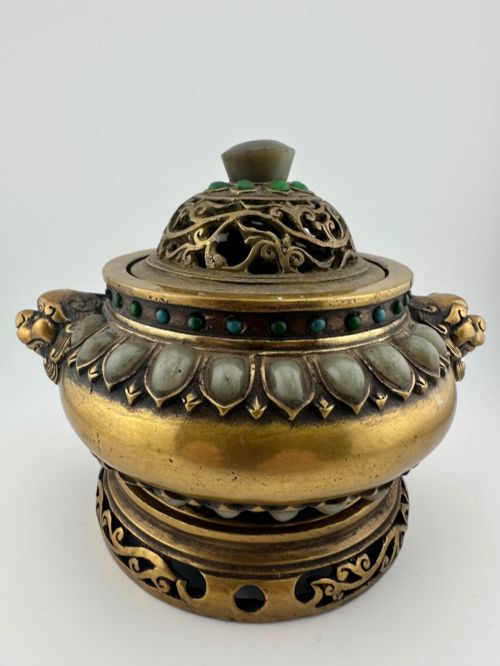
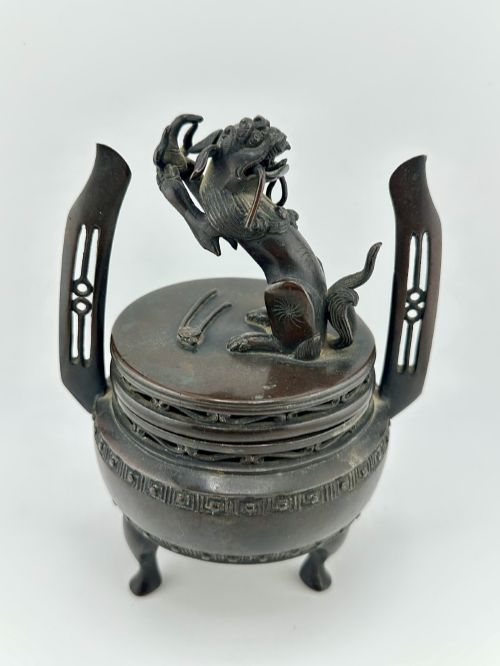
These vessels serve both decorative and ritual functions within scholarly and domestic settings. Pieces range from modest lidded censers with lion mask handles to massive archaistic ritual vessels and heavy tripod pieces bearing archaic seal marks.
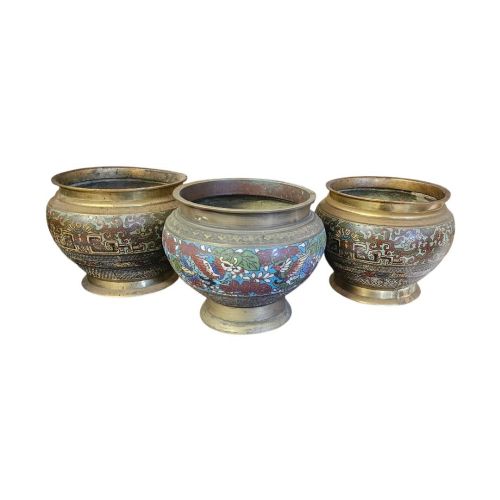
The selection includes variations such as bamboo-form censers, cloisonné bowls, and champlevé enamel jardinières. Each piece reflects the enduring metalworking traditions of Chinese craftsmanship across Victorian and late Qing periods.
Materials and technique
Metalcasters utilised bronze and brass alloys, working molten metal through traditional lost-wax or sand-casting methods to achieve thick, heavy vessel walls. Skilled artisans then finished the surfaces with hand-chiselling, patination, and polished relief details.
Some censers come fitted with fierce qilin finials to guard the fragrant smoke.
What varies in quality
Quality rests primarily in the weight of the metal alloy, the crispness of the cast relief, and the depth of the patination. Heavy, thick-walled vessels with steady tripod feet represent a higher tier of workmanship than lighter, purely decorative pieces.
The presence of scholarly or imperial studio marks, such as a Xuande or Wu Bangzuo mark, elevates a piece when matched by superior finishing. Refined handling of details like pierced lotus floral lids and secure hardstone inlays distinguishes superior examples.
The Chinese Brass Incense Burner Glossary
- Censer
- A vessel designed specifically for burning incense. These typically feature open bowls or fitted, pierced covers to release fragrant smoke.
- Tripod
- A vessel supported by three feet. This traditional configuration provides stability on scholars' desks and altars.
- Bombé
- A rounded, swelling vessel body shape. This classic form tapers slightly at the rim and base.
- Champlevé
- An enamel technique where troughs are dug into the metal surface and filled with vitreous paste before firing. The resulting coloured patterns sit flush with the surrounding brass or bronze.
- Archaistic
- A design style that deliberately emulates ancient ritual bronzes from early Chinese dynasties. This aesthetic values ancient forms and symbolic motifs.
Chinese Brass Incense Burner: Frequently Asked Questions
How are incense burners used?
These vessels burn aromatic resins, wood chips, or incense sticks during meditation, study, or formal gatherings. The smoke escapes through pierced lids, diffusing fragrance throughout the room.
Historically, they sat on scholar's desks or household altars as functional art pieces. Today, owners place them on tables or shelves to display their form and patination.
What periods do these pieces come from?
The pieces span from the eighteenth century through the late Qing Dynasty and into the early twentieth century. Eighteenth-century examples often display deep patination and official studio marks.
Nineteenth and early twentieth-century versions continue traditional forms, occasionally incorporating Victorian influences or mixed media like hardstone and enamel.
How do I care for a brass censer?
Dust the surface gently with a soft, dry cloth to protect the historic patina. Avoid using metal polishes or harsh chemical cleaners that strip away age-related coloration.
Keep the vessel in a stable environment away from excessive moisture to preserve any enamel or hardstone inlays.
What do the marks on the bottom mean?
Many censers bear cast or incised seal marks attributing them to earlier periods like the Xuande reign or makers such as Wu Bangzuo. These marks often honour historical excellence rather than serving as literal manufacturing dates.
Scholar's studio marks also appear, indicating pieces made for refined private use rather than mass production.