




Qashqai Tribal Textile
A qashqai tribal textile brings hand-spun wool and natural dyes into a room through Persian tribal weaving traditions from South-West Persia.
Qashqai Tribal Textile
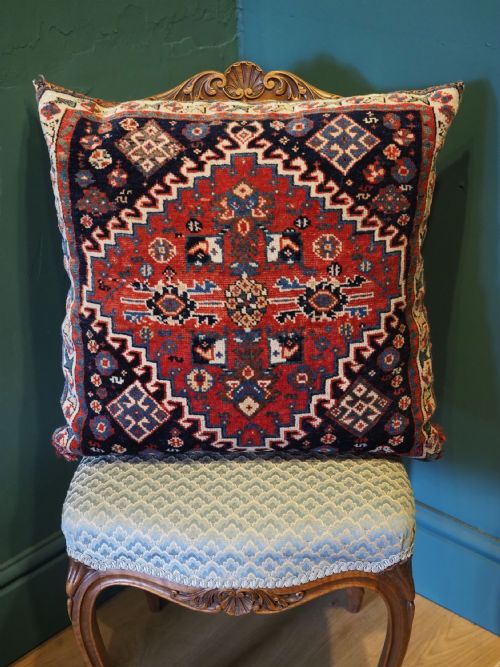
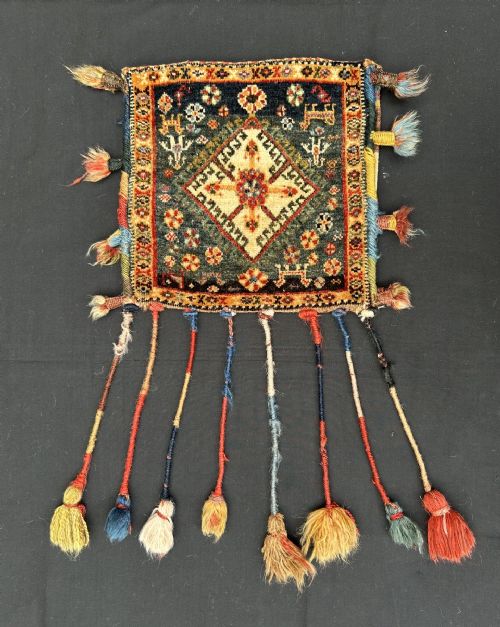
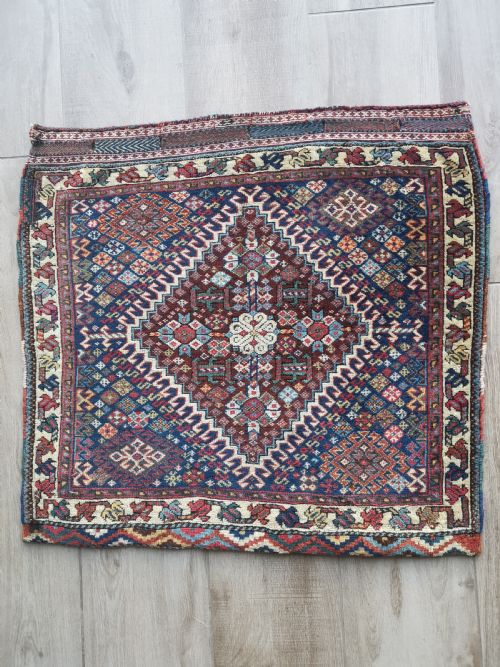
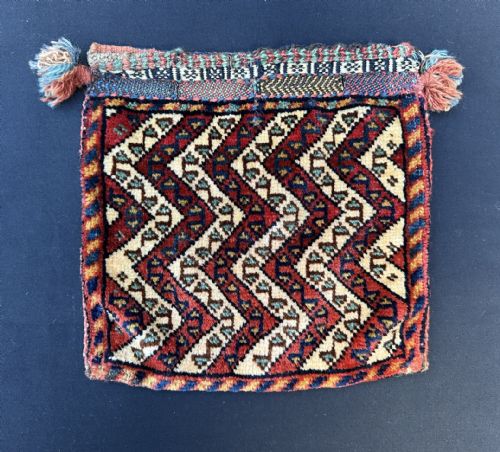
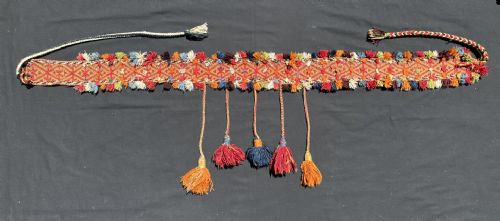
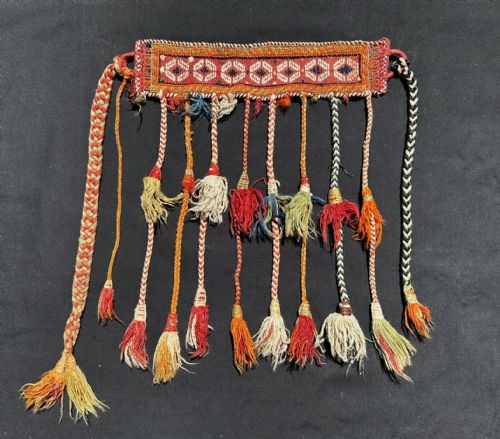
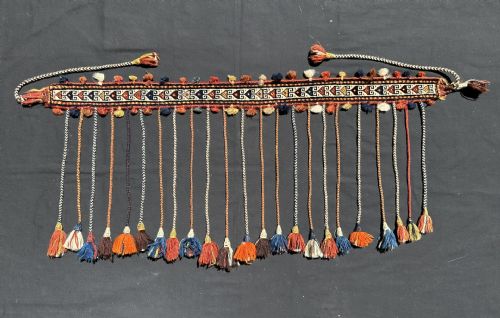
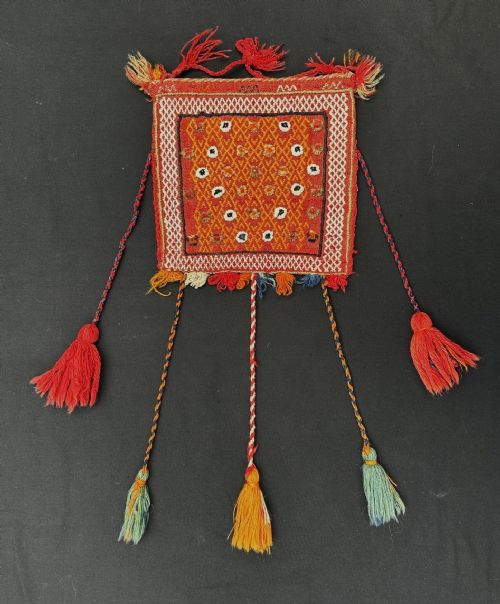
A qashqai tribal textile encompasses functional nomadic items created by the Qashqai confederacy and related tribes in the Fars province of South-West Persia. Buyers encounter utilitarian objects designed for camp life, including saddlebag faces, vanity bags, salt bags, animal trappings, horse blankets, storage bags, and larger carpets or moj flatweaves.
The objects originate primarily from the late nineteenth century and the early decades of the twentieth century. Specific sub-tribes and tribal groups such as the Bolvardi, Kashkuli Tayefeh, Darrehshuri Tayefeh, Shekarlu Tayefeh, and Ard Kapan Taifeh provide distinct tribal attributions for these pieces.
Smaller formats like saddlebag faces and utility bags dominate the items found here. Larger tribal rugs and horse blankets appear less frequently but share the same regional weaving vocabulary and nomadic utility.
Quality and Execution
The fineness of the knotting and the crispness of the tribal motifs dictate the execution of each piece. Superior examples display dense hand-spun wool structures and precise execution of traditional central medallions and animal decorations.
The depth and complexity of the natural dye palette separate standard items from finer tribal weaving. Pieces exhibiting varied sub-tribe attributions and intricate pictorial elements demonstrate superior workshop skill within the Fars province tradition.
Listings feature wool, cotton, and natural dyes shaped into saddlebags, horse blankets, and tribal rugs from the nineteenth and early twentieth centuries.
The Qashqai Tribal Textile Glossary
- Saddlebag Face
- The decorative front portion of a nomadic transport bag. These panels are often preserved independently after the back sections wear away.
- Moj
- A traditional flatwoven textile produced by nomadic tribes in South-West Persia. These pieces serve functional covering purposes within the camp.
- Tayefeh
- A term denoting a clan or sub-tribe within the Qashqai confederacy. Specific tayefeh attributions help identify the origin of individual weavings.
- Animal Trapping
- A decorative textile designed to adorn horses or other working animals during tribal migrations or ceremonies. These items combine utility with expressive tribal patterns.
Qashqai Tribal Textile: Frequently Asked Questions
What is a qashqai tribal textile?
A qashqai tribal textile is a hand-knotted or flatwoven piece created by nomadic weavers in the Fars province of South-West Persia. These items include utilitarian bags, horse decorations, and rugs.
They reflect the traditional lifestyle and design vocabulary of the Qashqai confederacy and its various sub-tribes during the nineteenth and early twentieth centuries.
How were these textiles used?
Nomadic families utilised these items for daily camp life, transport, and animal husbandry. Saddlebags and storage bags carried possessions during seasonal migrations.
Other pieces served as horse blankets, vanity holders, water-pipe bags, or infant cradles within the tribal tents of South-West Persia.
How do I live with one?
Smaller pieces like saddlebag faces and utility bags adapt well to wall hanging or display on surfaces. Larger tribal rugs and horse blankets suit floor placement in low-traffic areas.
Protecting the hand-spun wool and natural dyes from prolonged direct sunlight preserves the coloration of these historic Persian weavings.
How do I identify periods?
Dating relies on material analysis, structural evidence, and stylistic conventions associated with late nineteenth and early twentieth-century Persian weaving. Hand-spun wool and natural dye palettes typically indicate earlier manufacture.
Specific tribal attributions to groups like the Kashkuli or Darrehshuri help contextualise the age and origin of individual pieces.