


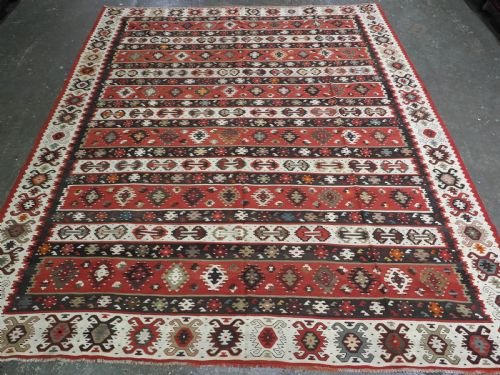
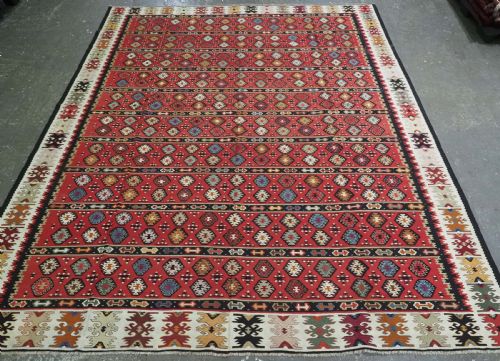
Red Woven Tribal Band
A red woven tribal band brings centuries of nomadic artistry into a modern room through bold horizontal stripes and rich dyed textiles.
Red Woven Tribal Band
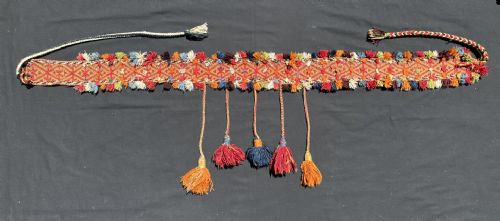
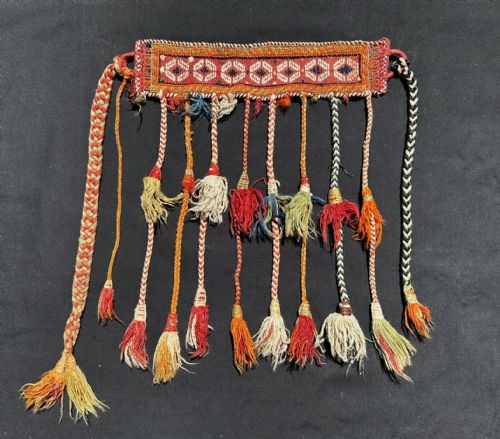
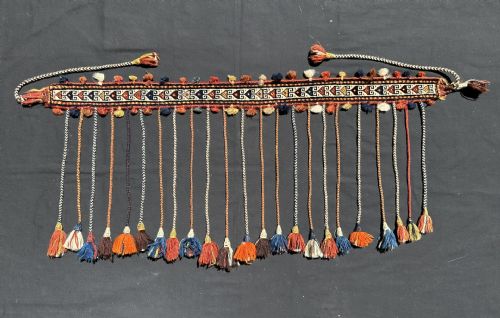
A red woven tribal band encompasses functional nomadic weavings, saddle bags, tent decorations, and flatweaves produced across Central Asia, Persia, and the Caucasus. When searching this phrase, a buyer encounters utilitarian fragments and complete domestic items that showcase repetitive horizontal stripe layouts.
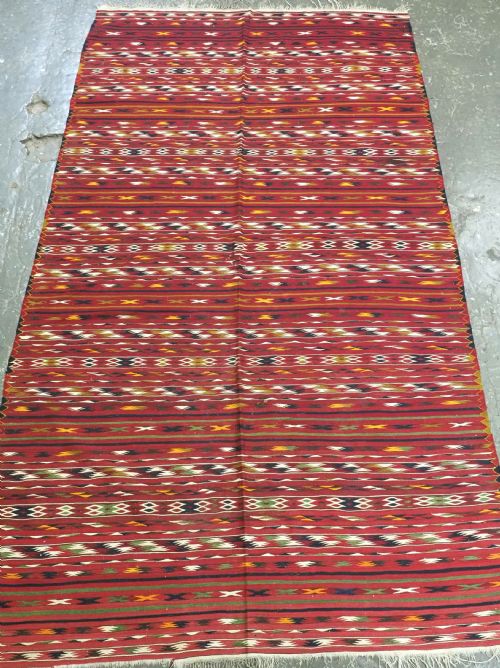
The version most commonly met on this page is the early twentieth-century kilim or flatweave, originating from nomadic groups such as the Qashqai, Uzbek, Baluch, and Yomut Turkmen. These pieces bridge the gap between structural tent furnishings and decorative floor coverings.
Originating from the nineteenth and early twentieth centuries, these textiles reflect specific regional weaving traditions rather than mass production. Each piece carries the distinct geometric vocabulary of the tribe that knotted or wove it.
Materials and Construction
Makers utilised hand-spun wool and cotton, combining pile knots with flatweave techniques to create sturdy domestic objects. Natural dyes supplied the deep reds, earthy browns, and contrasting accents that define the palette.
Weavers constructed these bands on portable ground looms, laying down warp threads and passing weft threads tightly to build dense structural patterns. This technique yielded firm textiles capable of withstanding the rigours of nomadic life.
Regional styles represented include Qashqai, Uzbek, Baluch, Turkmen, and Caucasian traditions, recorded primarily as kilims and saddlebag faces.
Assessing Quality and Execution
Quality rests in the precision of the weave and the depth of the natural dyes used across the horizontal bands. Tighter knotting or finer flatweave execution separates standard utility pieces from exceptional tribal examples.
The integrity of the remaining textile structure and the clarity of the geometric motifs determine the visual strength of each piece. Surviving fragments retain their appeal through precise symmetry and harmonious colour saturation.
The Red Woven Tribal Band Glossary
- Kilim
- A flatwoven carpet or rug produced without a pile by tightly interweaving warp and weft strands. This technique creates a smooth, durable surface with identical patterns visible on both sides.
- Mafrash
- A large rectangular storage bag used by nomadic tribes for bedding and household goods. These containers were often woven in separate panels and later assembled into a box shape.
- Torba
- A smaller storage bag hung inside a nomad tent to hold personal items or utensils. They typically feature horizontal band designs across the face.
- Tegerich
- A long decorative tent band used to secure the lattice framework of a yurt or nomadic dwelling. Surviving examples are often presented as fragmentary lengths of patterned weaving.
- Warp
- The stationary vertical threads stretched onto a loom before weaving begins. All subsequent weft threads pass over and under this foundational grid.
Red Woven Tribal Band: Frequently Asked Questions
How were tribal bands used?
Nomadic groups utilised these banded textiles as structural tent bands, animal trappings, or storage bags for domestic belongings. They served practical daily functions while displaying tribal identity through pattern.
Over time, many complete items transitioned from utilitarian camp objects into decorative wall hangings or collector pieces.
How do I care for a textile?
Protect antique wool and cotton pieces from direct sunlight to prevent natural dye fading. Gentle vacuuming without a rotating brush maintains surface cleanliness.
Professional textile conservators should handle any deep cleaning or structural stabilization needed for older fragments.
How do I date these pieces?
Dating relies on assessing the hand-spun wool, the specific natural dye palette, and traditional tribal motifs. Pieces on this page predominantly date from the late nineteenth century through the early twentieth century.
Structural wear and regional weaving characteristics help narrow the production window.
What regions made these items?
Weavers across Persia, Central Asia, the Caucasus, and the Balkans produced these distinctive banded textiles. Specific tribes, including the Qashqai, Baluch, and Yomut Turkmen, contributed unique design elements.
Geographic origins dictate the specific palette and geometric arrangement found within each woven band.