




Nomadic Tent Trapping
These nomadic tent trapping pieces are tribal textiles created for domestic use in Central Asia and Persia.
Nomadic Tent Trapping
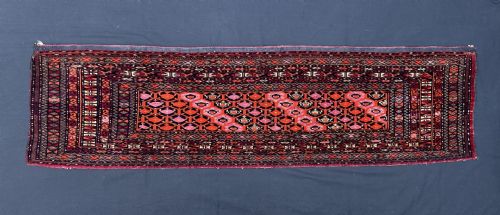
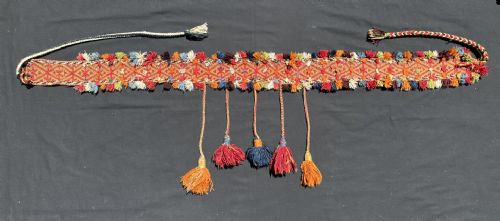
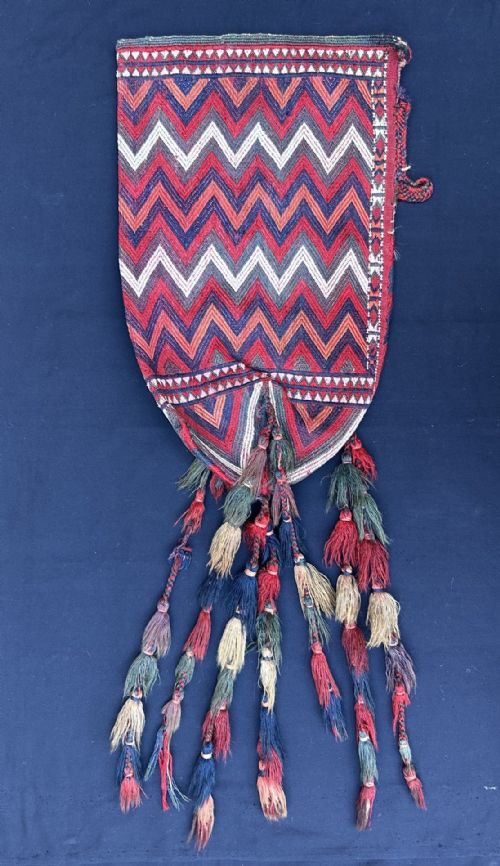
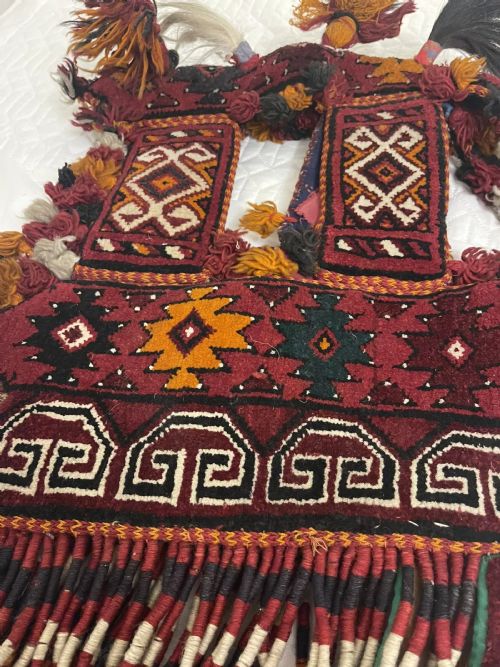
A nomadic tent trapping represents the utilitarian and decorative weaving of tribal groups from Turkmenistan, Afghanistan, and Persia. Buyers searching for a nomadic tent trapping encounter specialised forms such as torbas, jollas, uk bash, and headdresses produced during the nineteenth century. These items served functional roles within tribal encampments, functioning as storage bags, tent bands, or animal adornments.
The material record on this page centres heavily on Turkmen tribal groups, including the Ersari, Yomut, Tekke, Saryk, and Sariq tribes, alongside Persian tribal groups like the Qashqa'i. Pieces date from the mid to late nineteenth century up to nineteen hundred. The most frequent formats are torba faces and storage bags displaying distinct tribal patterns.
Tribal weavers produced these textiles as dowry weaving or household furnishings rather than commercial commodities. Examples range from small torbas with asmalyk style designs to wedding camel or horse headdresses. Each piece reflects the specific visual vocabulary and cultural traditions of its maker.
Quality and Execution
The distinction between standard and superior examples lies in the finesse of the weave and the clarity of the design. Finer knotting density allows complex motifs such as the schemle gul or aishk gul to hold sharp definition across the surface. Artisans who achieved greater precision in drawing created more striking visual rhythm.
Colour saturation and the handling of natural dyes determine the visual depth of a trapping. Pieces that retain vibrant, well-matched natural hues without muddy transitions demonstrate superior material selection. The presence of thoughtful detailing, such as silk highlights or unusual design variants, elevates a textile within its tribal group.
The listings span from eighteen fifty to nineteen hundred, showing wool, cotton, silk, and natural dyes across Turkmen and Persian tribal groups.
The Nomadic Tent Trapping Glossary
- Torba
- A small utilitarian bag used in tribal tents for storage. These items typically hung against the lattice walls of a yurt.
- Gul
- A medallion or repeating primary motif used in Turkmen carpet and trapping design. Each tribal group utilised distinct gul variations to signal identity.
- Uk Bash
- A decorative tent band or trapping associated with the upper wall structure of a nomadic dwelling. Yomut tribes produced notable examples.
- Asmalyk
- A pentagonal trapping traditionally hung on the flanks of a bride's camel during wedding processions. Pieces on this page occasionally feature asmalyk style designs.
- Jollar
- A long, horizontal bag used for bedding or possessions inside a nomadic tent. They share technical characteristics with torbas.
Nomadic Tent Trapping: Frequently Asked Questions
What is a nomadic tent trapping?
A nomadic tent trapping is a textile woven by tribal groups in Central Asia and Persia for practical use within nomadic dwellings. These pieces include storage bags, tent bands, and animal ornaments created for daily life or wedding ceremonies.
They reflect the specific heritage of makers from tribes such as the Yomut, Ersari, and Qashqa'i. Each item served a definite domestic function while displaying traditional tribal patterns.
How were these trappings used?
Nomadic families utilised these textiles to store household goods, organise possessions, and decorate the interior of tents. Torbas hung from the lattice walls to hold small items.
Larger items like camel or horse headdresses served a ceremonial purpose during wedding processions. Every piece was built to endure the demands of a nomadic lifestyle.
How do I identify different tribal styles?
Tribal attribution relies on recognising specific design motifs, colour palettes, and structural layouts unique to each group. Turkmen subgroups like the Tekke or Ersari employed characteristic medallions and border arrangements.
Persian tribal groups such as the Qashqa'i utilised distinct animal and geometric vocabularies. Comparing the primary gul patterns helps separate one tribal origin from another.
Are these pieces from the nineteenth century?
The listings on this page date from the middle to the end of the nineteenth century, extending up to nineteen hundred. These nineteenth-century examples represent traditional tribal weaving before commercial production altered the craft.
Materials from this era consist primarily of hand-spun wool and natural dyes. Dating relies on stylistic conventions and structural characteristics recorded in each piece.
How should I care for a textile trapping?
Preserving a antique nomadic textile requires protection from direct sunlight and consistent humidity to prevent fibre degradation. Gentle vacuuming through a mesh screen removes dust without damaging the wool pile.
Avoiding heavy foot traffic ensures that flat-woven surfaces and embroidered details remain intact. Professional textile conservators should handle any necessary cleaning.