





Fars Province Tribal Textile
A fars province tribal textile brings genuine nomadic history into a room through rich wool work and authentic tribal symbols.
Fars Province Tribal Textile
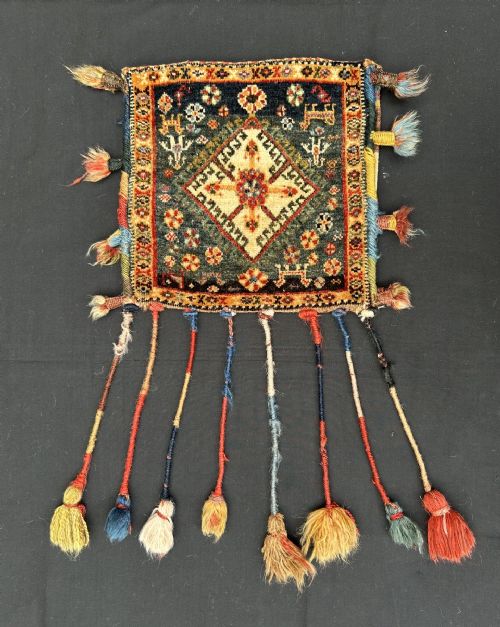
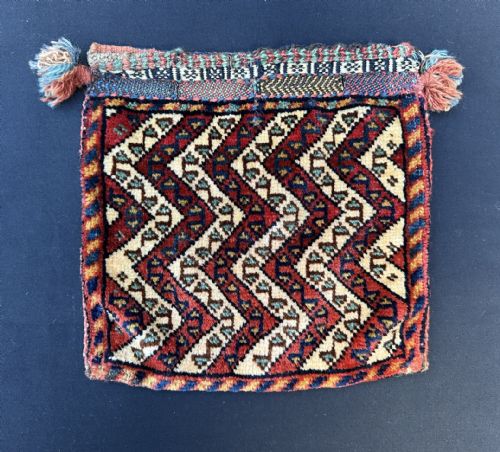
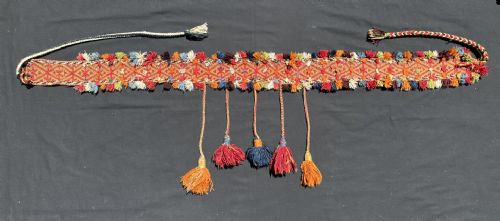
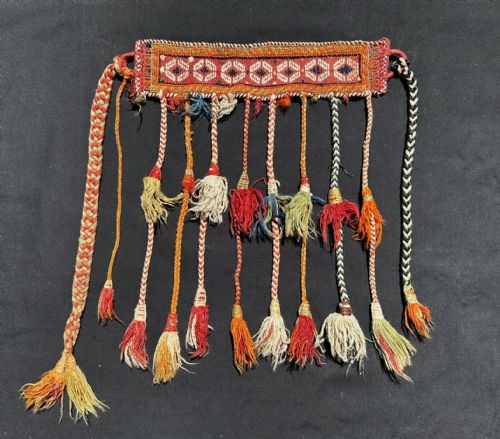
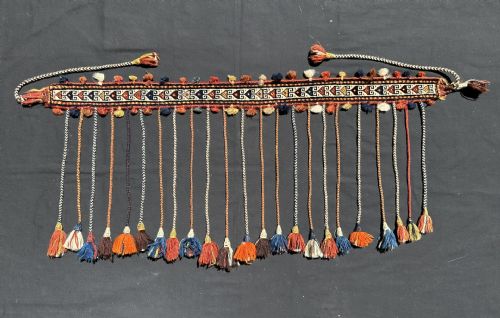
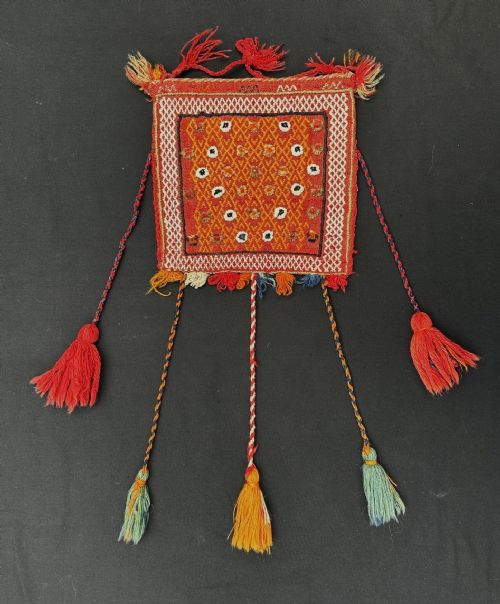
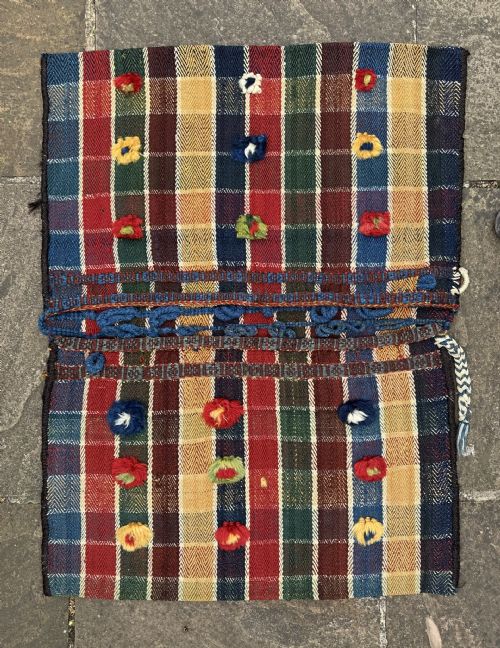
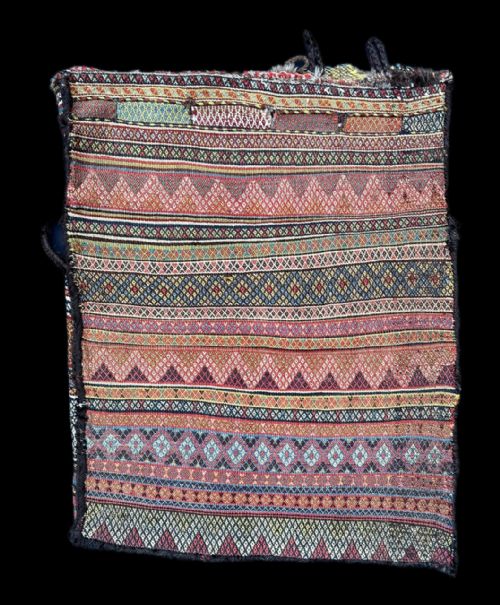
A fars province tribal textile is a woven piece originating from south-west Persia, created by nomadic groups such as the Qashqa'i confederacy and specific sub-tribes like the Bolvardi, Kashkuli Tayefeh, Darrehshuri, Shekarlu, and Ard Kapan. These works range from vanity bags and salt-bags to animal traps, horse decorations, baby cradles, moj blankets, and saddle-bags.
The objects seen here date across distinct periods spanning from 1880 through 1900 to 1920, reflecting the traditional utilitarian output of pastoral nomads. Buyers frequently encounter smaller functional forms like saddle-bag faces and storage bags alongside larger wall hangings and tribal rugs.
Each piece serves as a physical record of tribal life in south-west Persia, demonstrating specific regional weaving traditions tied directly to the daily movements and cultural practices of the makers.
Materials and Technique
These textiles are constructed primarily from hand-spun wool and standard wool, often incorporating cotton and leather for structural strength, alongside wood elements in pieces such as cradles. Natural dyes provide the colour palette across the woven surface.
The construction methods rely on traditional nomadic weaving techniques handed down through generations within tribal confederacies. Artisans utilise durable flatweave or pile structures designed to withstand the rigours of nomadic transport and daily camp use.
Nomads wove special tiny bags just to hold their wooden spoons and water-pipes on the move.
What Varies in Quality
Quality in a fars province tribal textile depends upon the fineness of the wool preparation, the clarity of the natural dyes, and the tightness of the weave. Tighter knotting or more precise supplementary-weft work results in a sturdier structure and sharper visual definition of the tribal motifs.
The complexity and completeness of the original design, whether a vanity bag, animal trapping, or moj, also separate standard examples from finer expressions. Pieces retaining intact leatherwork, wooden components, or original cotton foundations demonstrate superior preservation of their utilitarian form.
The Fars Province Tribal Textile Glossary
- Qashqa'i Confederacy
- A major alliance of nomadic tribes in the Fars province of south-west Persia known for producing distinctive woven textiles.
- Tayefeh
- A term denoting a clan or sub-tribe within the broader nomadic confederacy structure.
- Moj
- A type of traditional flatwoven blanket or cover produced by tribal weavers.
- Saddle-Bag Face
- The decorative front portion of a double saddle-bag utilised by nomads for transport on pack animals.
Fars Province Tribal Textile: Frequently Asked Questions
What is a tribal textile from Fars?
It is a hand-woven wool object created by nomadic groups in south-west Persia for practical camp and travel use.
These items include bags, trappings, and covers made by specific sub-tribes within the region.
How were these bags used?
Nomads utilised these woven pieces for storing salt, vanity items, spoons, or water-pipes during seasonal migrations.
Larger versions served as horse decorations, animal traps, or infant cradles within the camp.
How do I date these textiles?
Dating relies on stylistic analysis, material indicators like hand-spun wool, and known historical periods for Qashqa'i weaving.
Most pieces from this region fall into late nineteenth and early twentieth-century production windows.
How should I display them?
Smaller bags and saddle-bag faces work well mounted as wall hangings to showcase the detailed wool work.
Larger textiles and flatweaves can function as decorative rugs or throws depending on their original form.