



Antique Persian Wool Chanteh
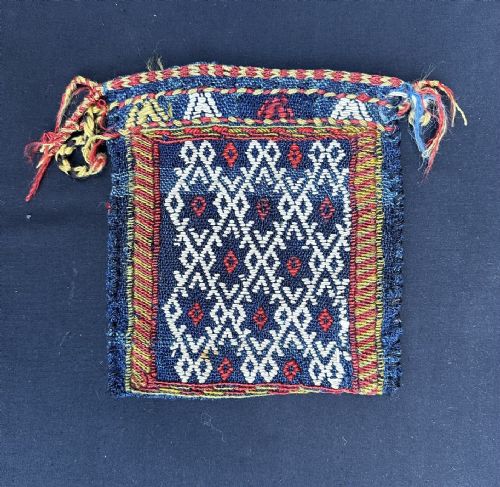
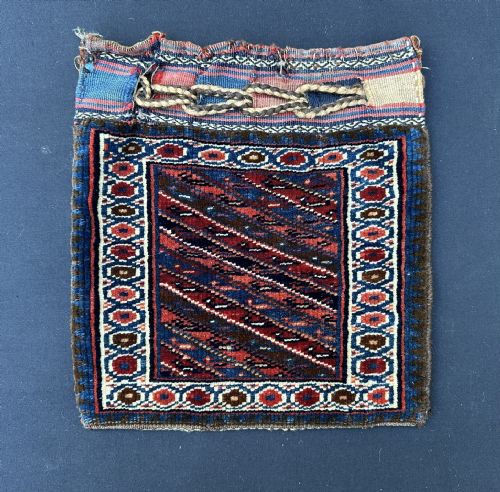
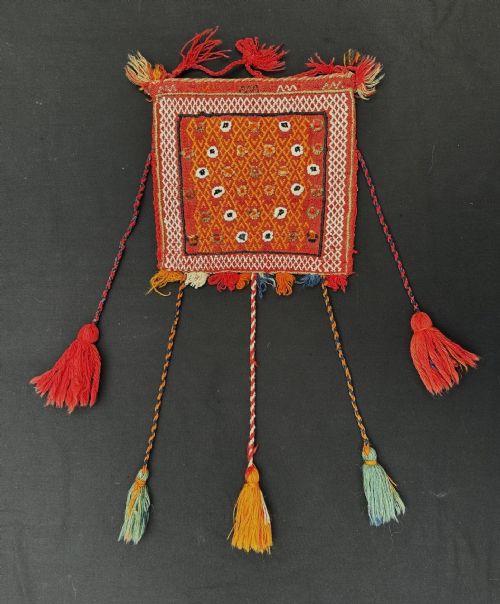
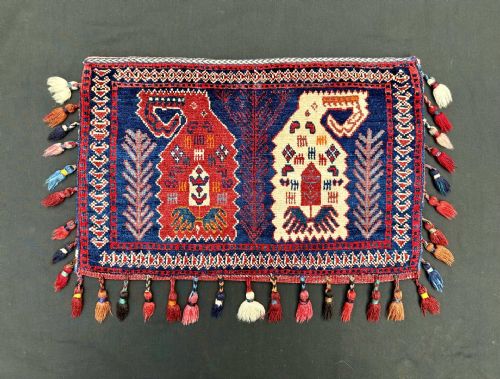
An antique persian wool chanteh is a small tribal bag used for personal possessions, prized for its intricate weave and nomadic character.
Antique Persian Wool Chanteh
An antique persian wool chanteh represents a portable personal bag woven by nomadic and tribal groups across Persia. These utilitarian pieces served various domestic and personal functions, including carrying tobacco, pipes, vanity items, spoons, or water-pipe components. Buyers searching for an antique persian wool chanteh typically encounter compact tribal bags and trappings hailing from distinct regional confederacies.
The material foundation of these pieces relies on wool, often combined with cotton, coloured by natural dyes. Production spans from the mid-nineteenth century through the early twentieth century, reflecting the traditional craft of makers such as the Afshar nomads, Baluch tribes, Qashqa'i confederacy, Kurdish weavers, and Bakhtiari groups. Each piece mirrors the specific aesthetic and functional needs of the tribe that produced it.
What varies in quality
The standard of an antique persian wool chanteh rests on the tightness of the weave, the clarity of the tribal motifs, and the richness of the natural dyes. Finer examples exhibit exceptional precision in knot density and layout, setting them apart from simpler utilitarian pieces.
Geographic origin and tribal affiliation also influence character, with specific sub-tribes and confederacies demonstrating more sophisticated design compositions. The preservation of original structure and wool pile further distinguishes superior survivals from heavily worn specimens.
Antique Persian Wool Chanteh Retail Price Guide 2026
Typical asking prices for persian wool chanteh among the pieces listed under this phrase on Sellingantiques today, from the lower quarter to the upper quarter. They describe what is for sale here now, not the wider market.
Nomadic weavers designed some of these tiny bags specifically to carry water-pipe bowls across dusty plains.
Afshar Nomads·Baluch Salar Khani Tribe·Kashkuli Tayefeh·Darrehshuri Tayefeh·Qorab'i Tribe
The Antique Persian Wool Chanteh Glossary
- Chanteh
- A traditional tribal personal bag or small pouch woven by nomadic groups in Persia. These pieces typically served to carry small personal items or utilitarian objects during migration.
- Natural Dyes
- Colourants sourced from plants, insects, and minerals rather than synthetic compounds. They produce organic tones that mature gracefully over decades.
- Tribal
- Pertaining to nomadic or semi-nomadic groups operating outside urban workshop traditions. Tribal weaving relies on generational designs and local materials.
- Confederacy
- A loose alliance of nomadic tribes and sub-tribes sharing geographic regions and cultural traits. The Qashqa'i Confederacy is a prominent example represented in nomadic weaving.
- Pile
- The vertical tufts of wool that form the plush surface of knotted carpets and bags. Pile provides texture and depth to the woven design.
Antique Persian Wool Chanteh: Frequently Asked Questions
What is a chanteh used for?
A chanteh functioned as a small personal bag or pouch carried by nomads to hold tobacco, pipes, vanity items, or spoons.
These compact containers kept essential personal belongings close at hand during seasonal migrations and daily camp life.
How do I identify a tribal bag?
Tribal bags display distinctive geometric or stylized motifs specific to the weaving group, such as the Afshar or Qashqa'i.
They combine wool and cotton materials with traditional natural dyes characteristic of regional Persian nomadic production.
Where were these bags made?
These textiles originated across various provinces of Persia, including Kerman, Fars, Khorassan, and Varamin.
Different nomadic confederacies and sub-tribes established distinct stylistic traditions within these specific geographic areas.
How should I display a chanteh?
Many collectors mount these small textile pieces on neutral fabric backgrounds or display them flat on surfaces.
Keeping them away from direct sunlight preserves the natural dyes and wool fibres for years to come.