

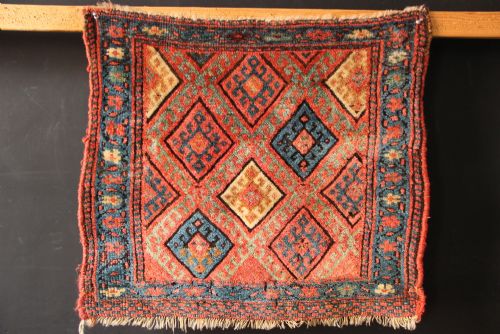
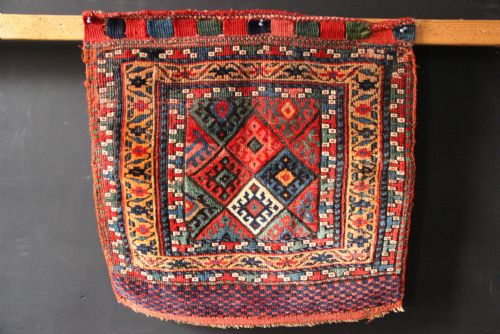
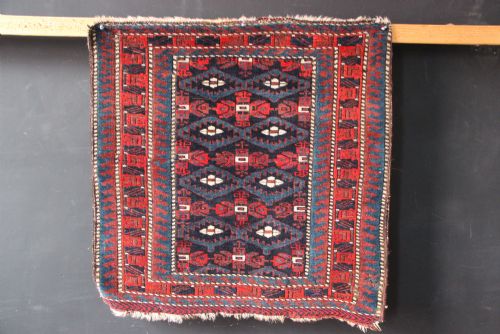
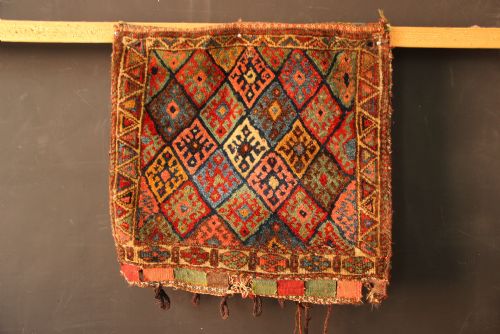
Red Wool Tribal Hanging
These pieces gather the heavy texture and deep dye of a red wool tribal hanging into domestic spaces.
Red Wool Tribal Hanging
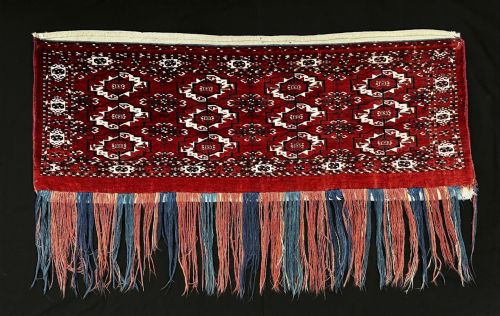
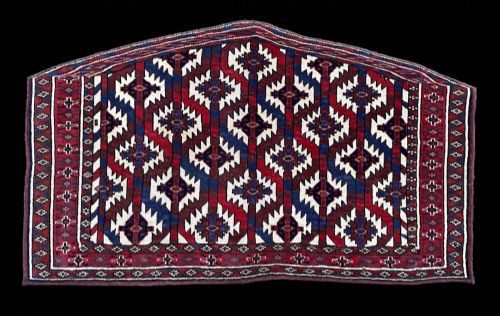
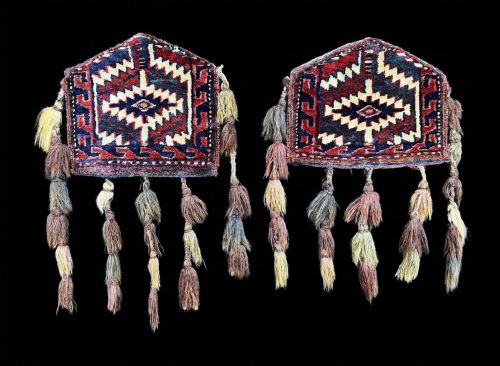
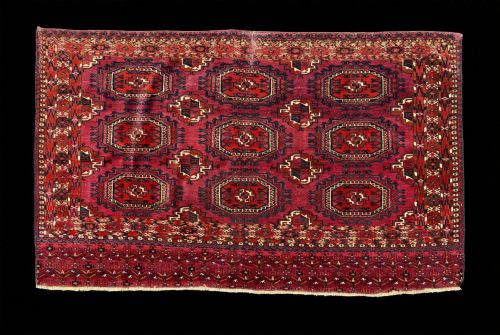
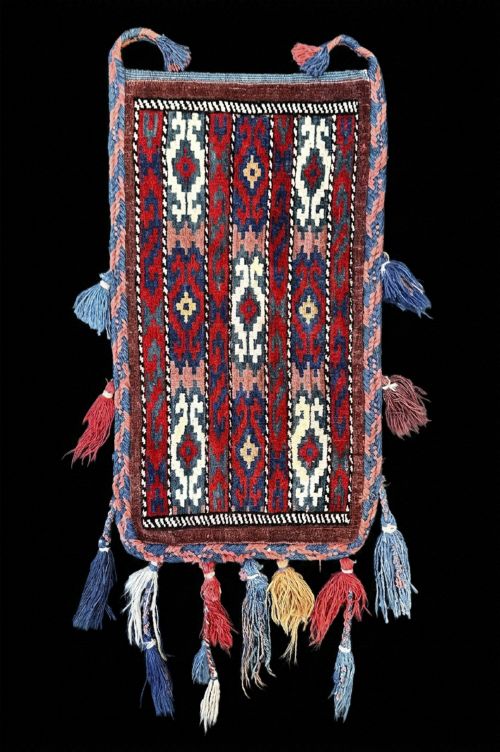
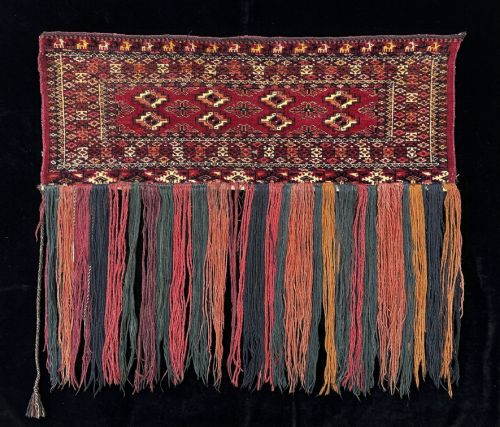
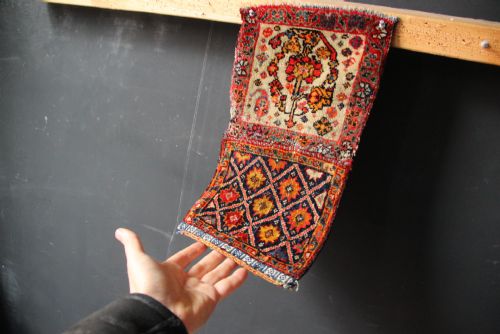
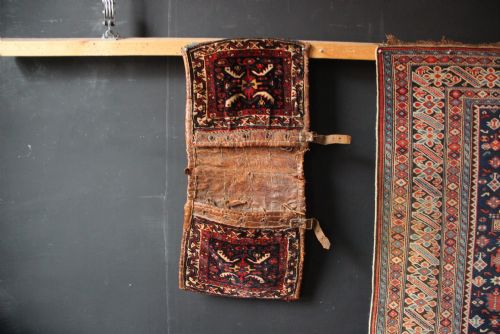
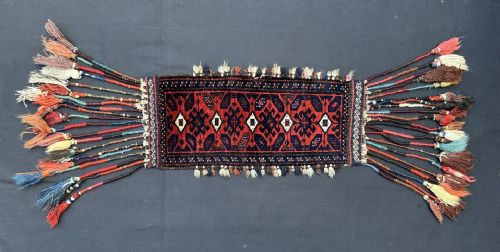
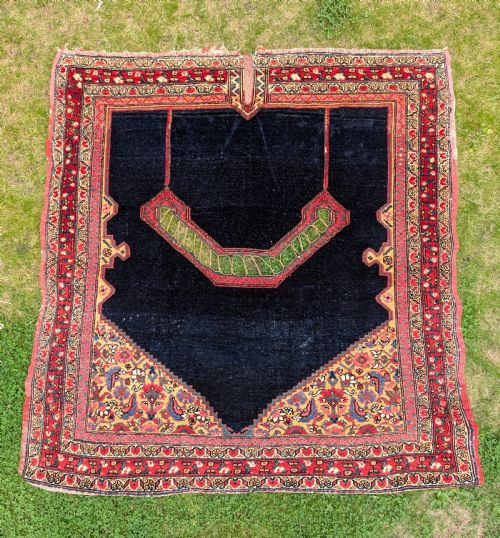
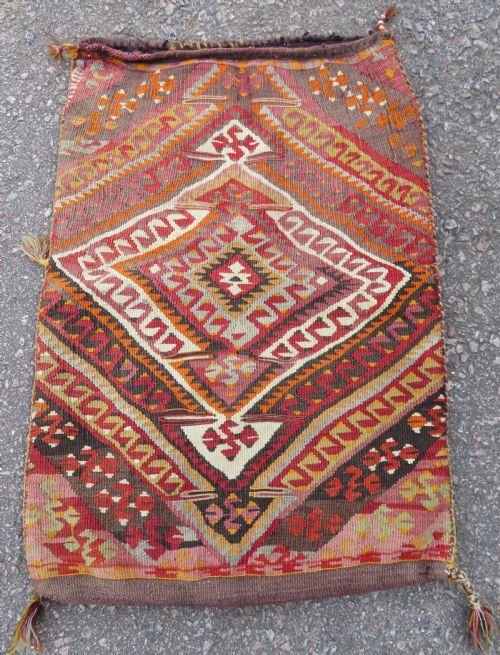
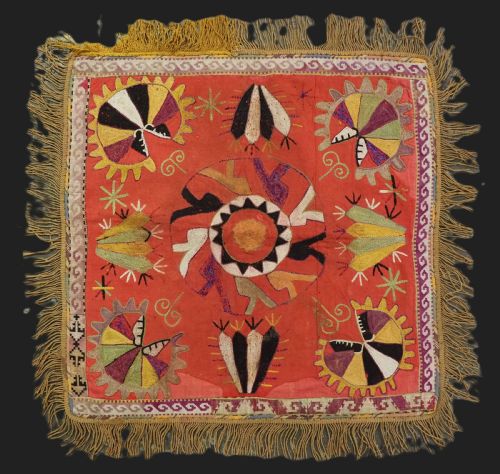
A red wool tribal hanging encompasses woven and embroidered utilitarian objects created by nomadic and village groups across Persia, Central Asia, and the Caucasus. Buyers encounter pieces originally fashioned as saddle covers, storage bags, horse blankets, and dowry embroideries.
The selection on this page centres on textiles originating from tribes such as the Yomut, Tekke, Ersari, and Lakai from the nineteenth and early twentieth centuries. These works reflect the nomadic lifestyle where heavy animal fleeces provided protection and domestic decoration.
How They Were Made
The foundation rests upon hand-spun wool, often paired with cotton and silk thread for surface ornamentation and structural integrity. Makers utilised natural dyes to achieve deep red tones, creating vibrant fields against dark woollen grounds.
Techniques range from pile weaving and flatweaving to dense felted wool construction and embroidery. Artisans combined wool with felted wool and cotton thread to produce durable trappings suited for daily nomadic use.
Red Wool Tribal Hanging Retail Price Guide 2026
Typical asking prices for red wool tribal hanging among the pieces listed under this phrase on Sellingantiques today, from the lower quarter to the upper quarter. They describe what is for sale here now, not the wider market.
Nomadic weavers occasionally hid small asymmetry in tribal motifs to ward off the evil eye.
What Varies in Quality
Quality rests upon the handled density of the wool and the precision of the tribal motifs. Tighter weaves and crisper embroidery denote greater skill from the maker.
The depth and survival of natural dyes dictate visual success. Retained original tassels and complete structural backs elevate individual examples within the tradition.
The Red Wool Tribal Hanging Glossary
- Asmalyk
- A pentagonal trapping traditionally hung on the flanks of a camel during Turkmen wedding processions. These decorative pieces display distinct tribal motifs.
- Torba
- A small storage bag woven by nomadic groups for domestic use inside a yurt or tent. They were often hung against lattice walls.
- Uut Kap
- A storage bag produced by Lakai and Uzbek groups, frequently featuring distinctive embroidered surfaces.
- Sofreh
- A flatwoven spread or cloth used for sharing meals or handling bread. They often exhibit minimalist geometric compositions.
- Chuval
- A large storage sack made by Turkmen tribes for household possessions. Collectors prize surviving face panels for their intricate güls.
Red Wool Tribal Hanging: Frequently Asked Questions
What is a tribal hanging?
A tribal hanging is a textile originally made for nomadic practical use, such as a horse cover, bag face, or wedding trapping.
Over time, these durable pieces transitioned into decorative wall art due to their rich textures and designs.
How do I care for wool textiles?
Keep wool textiles away from direct sunlight to protect natural dyes from fading.
Gentle vacuuming with a mesh screen safeguards the fibres from dust accumulation.
Where did these pieces originate?
These items hail from nomadic and village regions including Persia, Uzbekistan, and Turkmenistan.
Specific tribes like the Yomut, Tekke, and Lakai produced distinct regional patterns.
How old are these items?
The examples on this page primarily date from the nineteenth century up to the early twentieth century.
Dates are estimated based on material wear, structure, and dye characteristics.