





Multicolour Woven Persian Textile
These multicolour woven persian textile pieces are authentic nomadic and tribal works, offering rich wool structures and traditional patterns that bring historical depth to any room.
Multicolour Woven Persian Textile
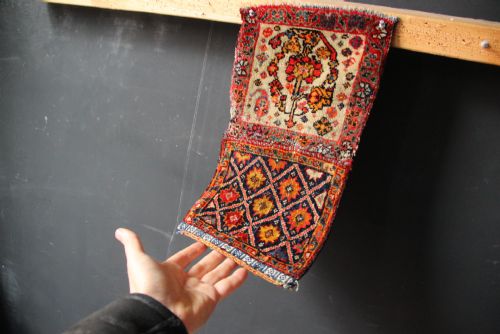
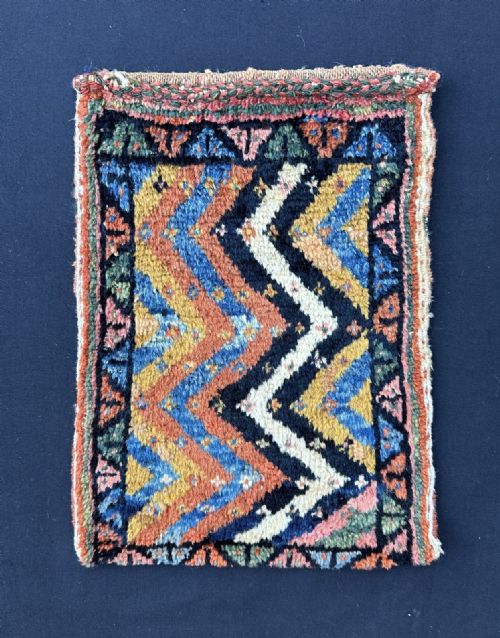
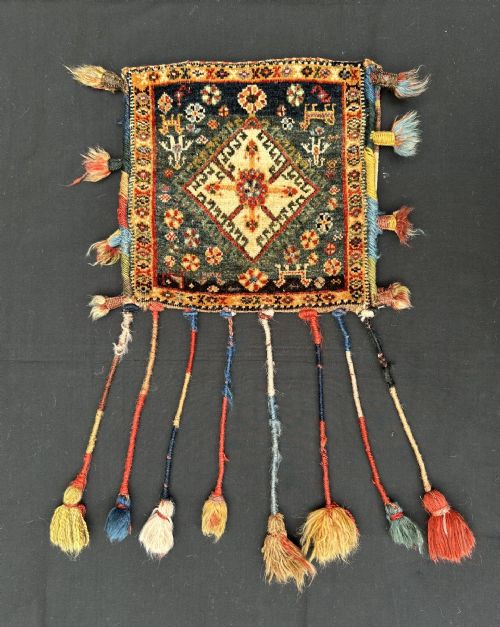
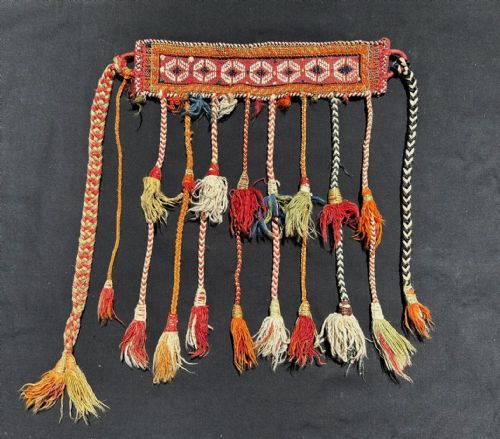
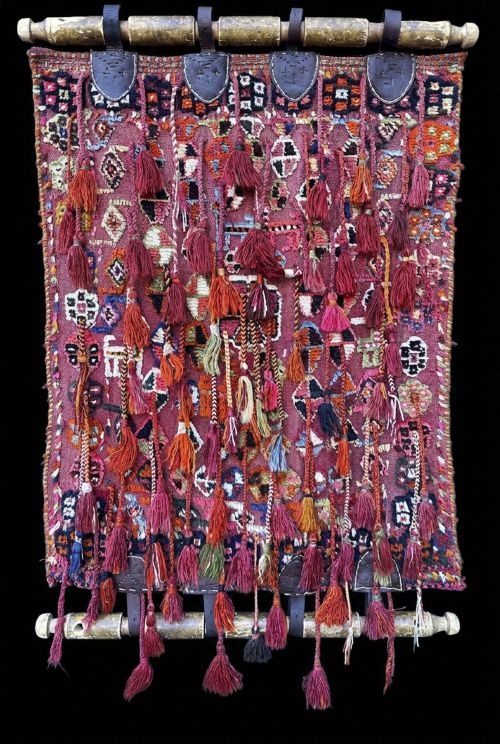
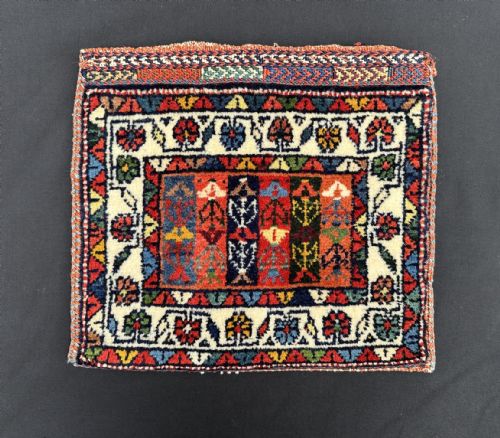
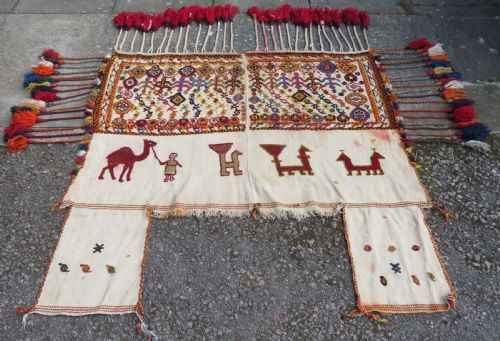
When you search for a multicolour woven persian textile, you are looking at functional tribal items created by nomadic confederacies across southern and western Persia. These pieces include utilitarian objects such as chantehs, vanity bags, horse blankets, and saddlebag faces originating from regions like Fars and Kerman provinces.
The items you are most likely to meet on this page date from the late nineteenth and early twentieth centuries, spanning periods from eighteen fifty to nineteen twenty. They encompass specific tribal groups including the Qashqa'i, Afshar, Bakhtiari, Jaf Kurd, and Shahsavan.
Form and function intertwine closely in these works, which served as daily equipment for nomadic life, from infant cradles to tobacco bags and horse decorations. Their survival demonstrates both durable construction and the enduring appeal of tribal weaving traditions.
How they were made
The makers relied primarily on wool and cotton foundations, occasionally incorporating silk, leather, and wood elements for structural support or decoration. These organic materials were worked by hand into flatweaves and pile structures using traditional vertical and horizontal looms.
Natural dyes provided the multicolour palette characteristic of these works, creating deep hues that age with distinct character. The spinning of yarn and preparation of dye baths required local botanical and mineral resources gathered across the Persian provinces.
Multicolour Woven Persian Textile Retail Price Guide 2026
Typical asking prices for multicolour woven persian textile among the pieces listed under this phrase on Sellingantiques today, from the lower quarter to the upper quarter. They describe what is for sale here now, not the wider market.
Listings feature pieces spanning from eighteen fifty to nineteen twenty, utilising wool, cotton, silk, wood, and leather.
What varies in quality
Quality rests upon the tightness of the weave, the precision of the tribal iconography, and the complexity of the multicolour palette employed by the weaver. Finer examples display meticulous handling of geometric and zoomorphic motifs across restricted dimensions.
The integrity of the original materials, including the preservation of natural dyes and surviving leather or wooden components, distinguishes standard utilitarian items from exceptional tribal works. Condition and completeness, such as intact bag faces or paired kilims, also define the upper tier of the range.
The Multicolour Woven Persian Textile Glossary
- Chanteh
- A small tribal vanity bag or container used by nomads for personal possessions. These small-scale pieces often showcase concentrated examples of tribal weaving skill.
- Jajim
- A flatwoven textile traditionally used as a cover, blanket, or bedding strip. They are constructed from narrow panels stitched together.
- Kilim
- A flatwoven textile produced without a pile by tightly interweaving warp and weft strands. This technique creates lightweight, durable covers and bags.
- Saddlebagface
- The decorative front panel of a larger pack animal bag surviving independently after the back has worn away. These sections preserve the most elaborate weaving.
- Natural Dyes
- Colourants derived from plants, insects, and minerals rather than synthetic compounds. They yield harmonious multicolour patinas that mellow gracefully over time.
Multicolour Woven Persian Textile: Frequently Asked Questions
What is a chanteh?
A chanteh is a small tribal bag used by nomads to carry personal items. These pieces frequently feature intricate geometric patterns unique to specific weaving groups.
They represent some of the most concentrated examples of traditional Persian tribal artistry available to collectors today.
How were these bags used?
Nomadic tribes utilised these textiles for storage during seasonal migrations, carrying everything from tobacco and pipes to personal vanity items and household goods.
Larger pieces functioned as horse blankets, saddlebags, or infant cradles within the tribal camp.
How do I care for a textile?
Keep these historic textiles away from direct sunlight to protect the natural dyes from fading. Gentle vacuuming through a mesh screen helps remove dust without damaging the wool structure.
Mounting them correctly on a supportive backing relieves tension if displayed as wall hangings.
How are periods identified?
Dating relies on material analysis, dye characteristics, and structural traits typical of late nineteenth and early twentieth-century tribal weaving. Specific tribal attributions help narrow the timeframe of origin.
Regional motifs and structural techniques evolved as confederacies moved and interacted across Fars and Kerman provinces.