




Porcelain Urn with Lid
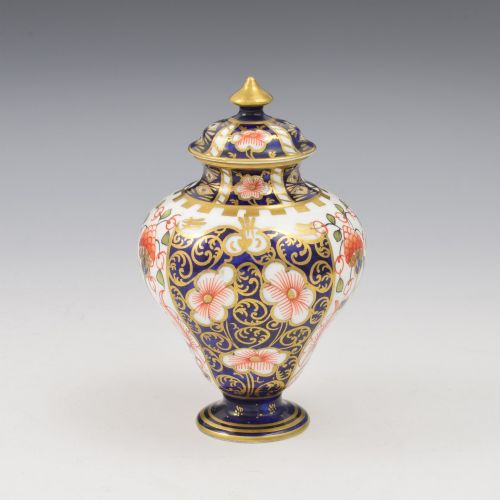
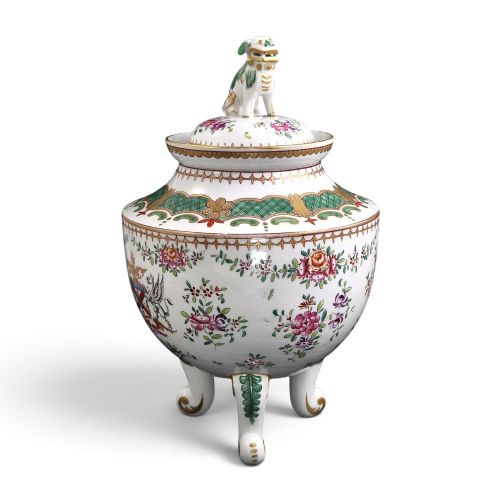
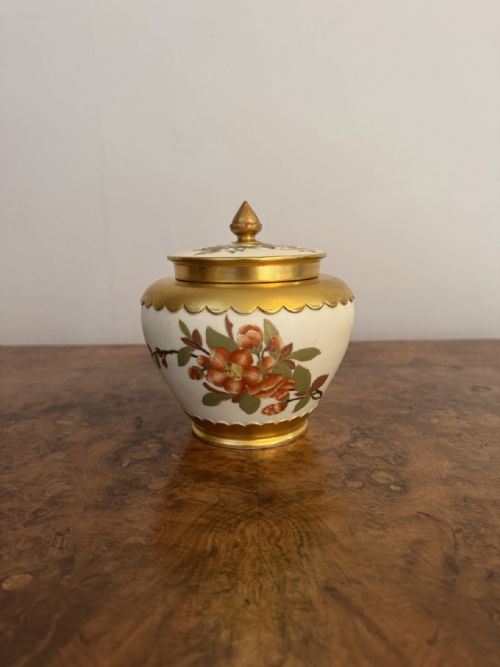
Porcelain urn with lid selections combine classical form and decorative painting across periods from the Regency to the Art Deco era.
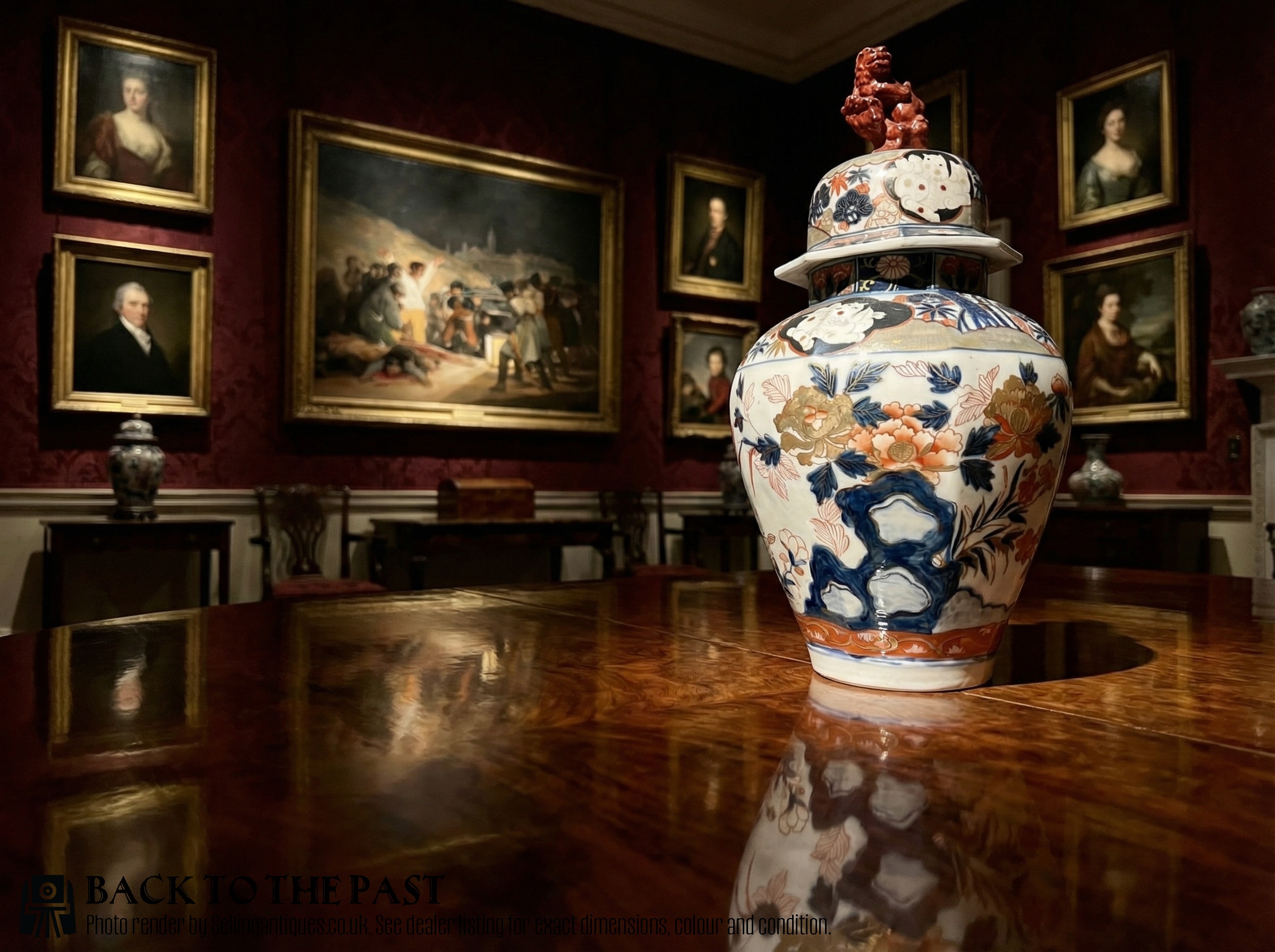
Porcelain Urn with Lid
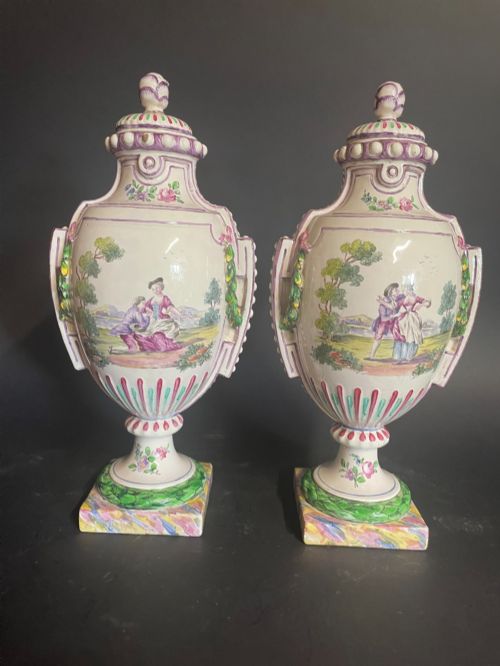
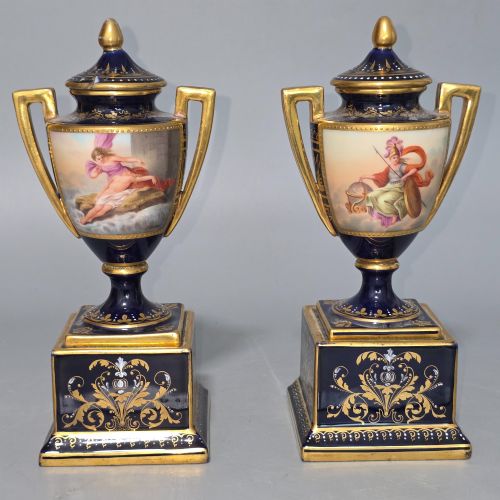
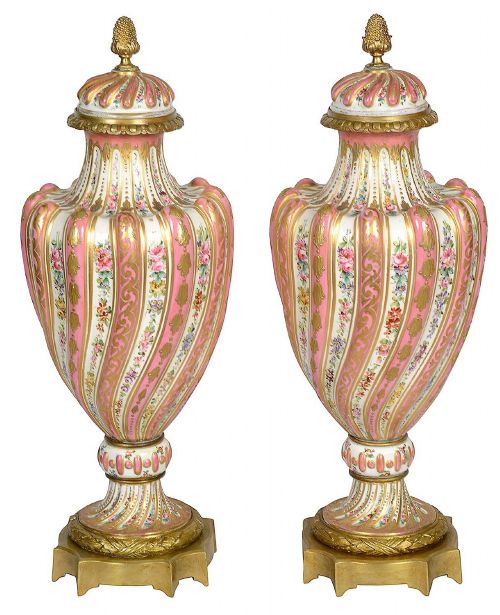
A porcelain urn with lid functions primarily as a decorative vessel, drawing on classical shapes like the amphora and the pedestal vase. These pieces appear in forms ranging from grand pairs intended for mantelpieces to smaller cabinet specimens.
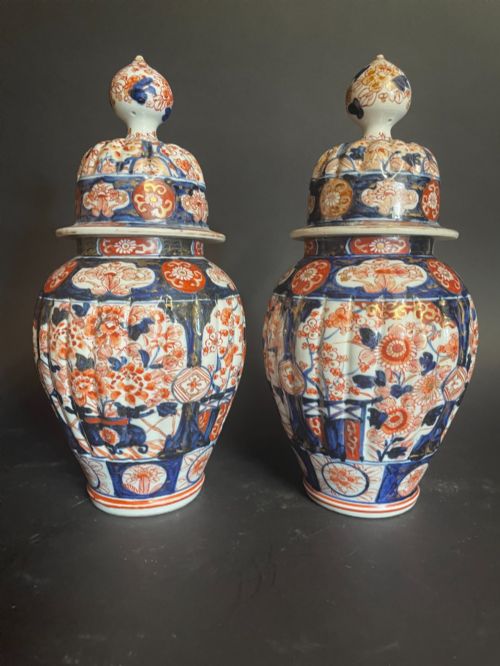
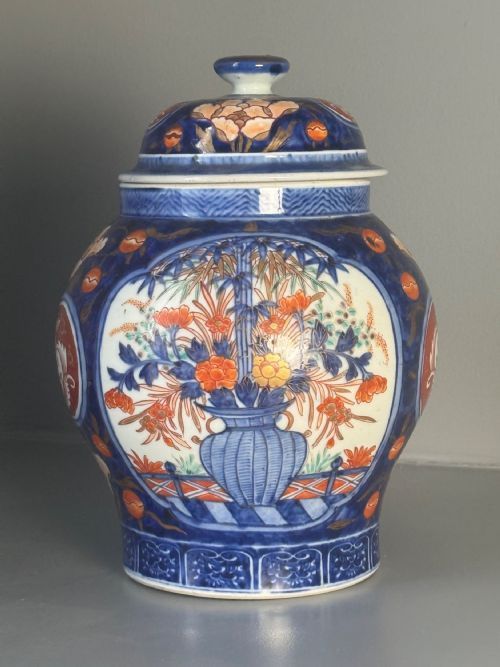
The materials span standard porcelain and ceramic alongside faience, decorated with techniques incorporating enamel, gold leaf, and gilding. Influences stretch from French Rococo Revival and Neoclassical styles to Japanese Imari and Edo manners.
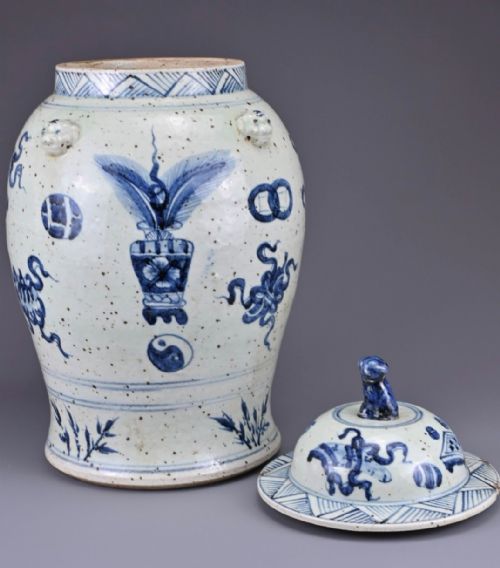
Most examples originate in European factories such as Worcester, Vienna, Sevres, and Dresden, with occasional representation from Chinese Qing dynasty production. Collectors encounter these vessels categorised variously as lidded urns, jars, and decorative vases.
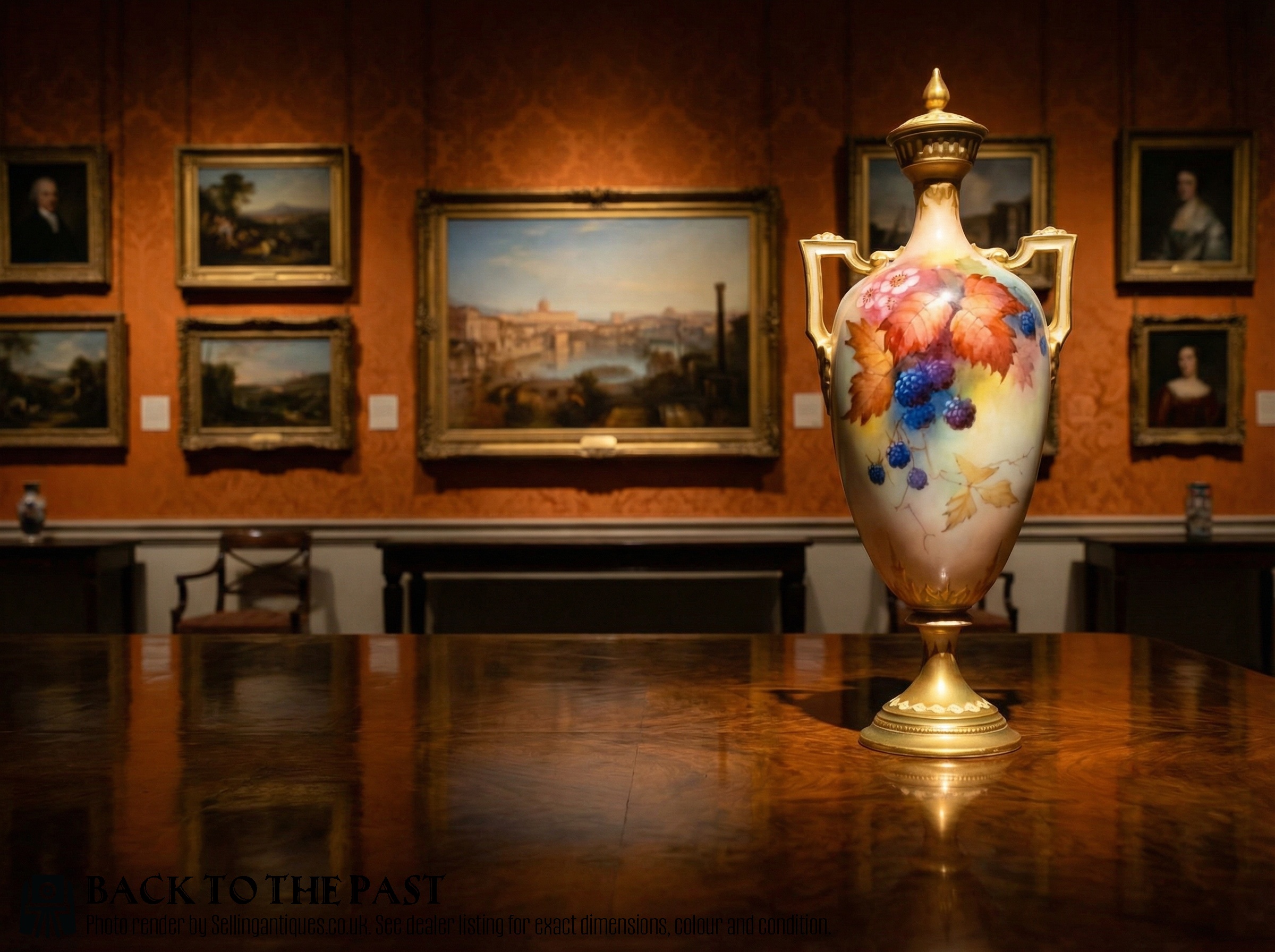
Materials and production methods
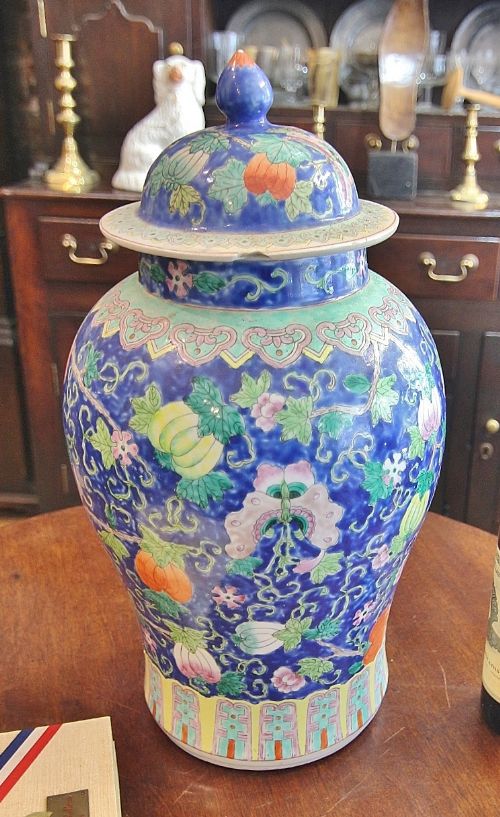
The construction relies on fired ceramic bodies, specifically porcelain and faience, shaped into distinct pedestal, amphora, or jar forms. Artisans then applied detailed hand-painted scenes, floral motifs, or exotic subjects such as storks and dragon designs.
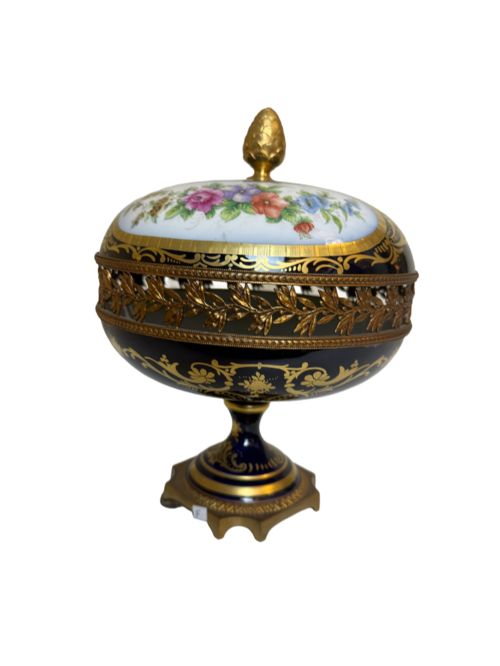
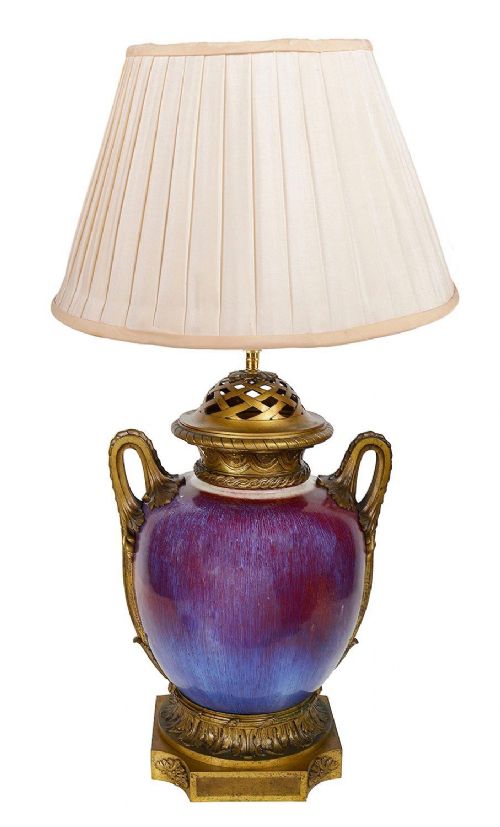
Decoration frequently integrates gold leaf, enamel, and heavy gilding to highlight handles, rims, and covers. Certain pieces incorporate cast gilt metal mounts or stands to complement the ceramic body.
Listings feature porcelain urns with lids spanning the Regency, Victorian, Edwardian, and Art Deco periods, created in Britain, France, Germany, and China.
Distinctions in quality
Quality rests upon the precision of the porcelain body, the crispness of the moulding, and the sophistication of the hand-painted decoration. Finer pieces display detailed brushwork by named artists and controlled application of gold leaf rather than mechanical transfers.
The integrity of the matching lid, balanced proportions, and the inclusion of well-cast gilt metal mounts further separate standard production pieces from exceptional factory output.
Chamberlain Worcester·Vienna Porcelain·Spode·Helena Wolfsohn Dresden·Royal Winton·Coalport·Hadley's Worcester·Sevres·KPM·Flight Barr And Barr·Royal Crown Derby·Royal Worcester
The Porcelain Urn with Lid Glossary
- Amphora
- A two-handled ancient Greek style jar used for storage or decoration. Later European factories adopted this classical shape for ornamental porcelain vessels.
- Gilding
- The application of gold leaf or gold powder to the surface of porcelain. It serves to accent rims, handles, and painted panels.
- Faience
- Tin-glazed earthenware popular in various European traditions. It offers an opaque white background suitable for colourful hand-painted designs.
- Imari
- A style of Japanese export porcelain characterised by a palette of underglaze blue, iron red, and gilt. European makers frequently copied these distinctive patterns.
- Doucai
- A Chinese porcelain technique combining underglaze blue outlines with overglaze enamel infills. Pieces utilising this method date to the Qing dynasty.
Porcelain Urn with Lid: Frequently Asked Questions
What were porcelain urns with lids used for?
These vessels served primarily as decorative ornaments for mantelpieces, sideboards, and occasional tables within affluent homes. Their grand scale and painted scenes made them status symbols rather than functional containers.
Over time, collectors displayed them in cabinets or on pedestals to showcase fine ceramic artistry and factory provenance from periods like the Regency or Victorian eras.
How do I date a lidded porcelain urn?
Dating relies on factory marks stamped or painted on the base, combined with stylistic cues such as Neoclassical revival forms or Art Deco motifs. Comparing the type of gilding and enamel work helps narrow the decade of production.
Reference guides for specific potteries like Royal Worcester or Vienna provide detailed chronologies based on factory ciphers and registration numbers.
Where should I display a porcelain urn?
Place these pieces on stable surfaces away from high traffic areas to protect delicate handles, lids, and protruding gilt elements. Mantelpieces, enclosed display cabinets, and dedicated pedestals offer secure placement.
Ensure the location avoids direct sunlight to prevent fading on hand-painted enamel scenes and gold leaf details over time.