
Porcelain Mantel Urn
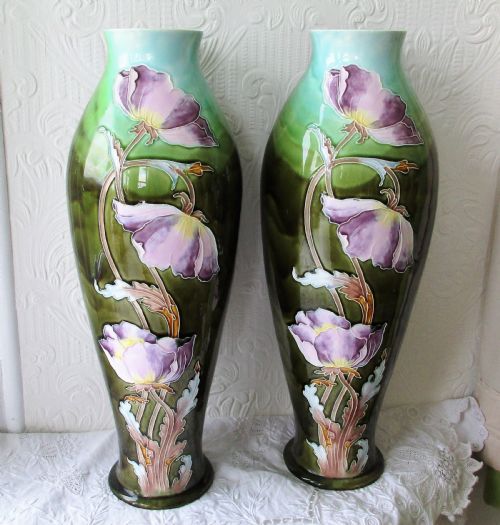
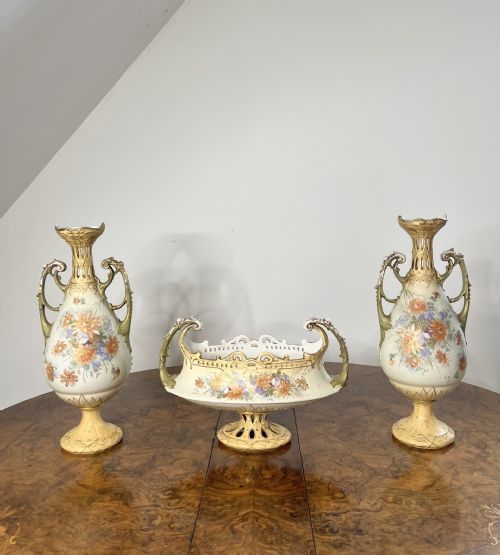
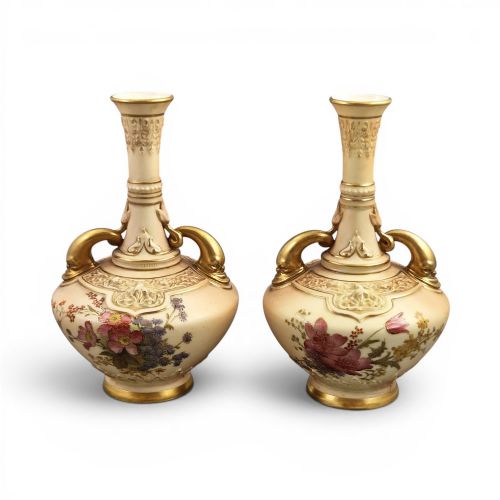
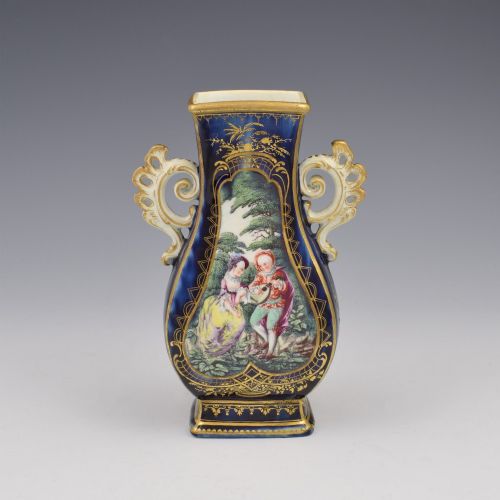
These porcelain mantel urn pieces bring hand-painted scenes and classical proportions into a room.
Porcelain Mantel Urn
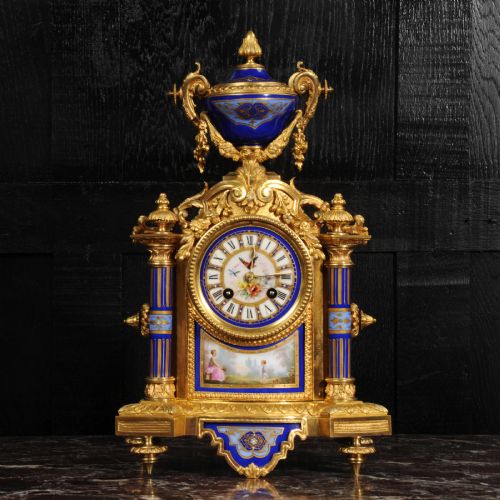
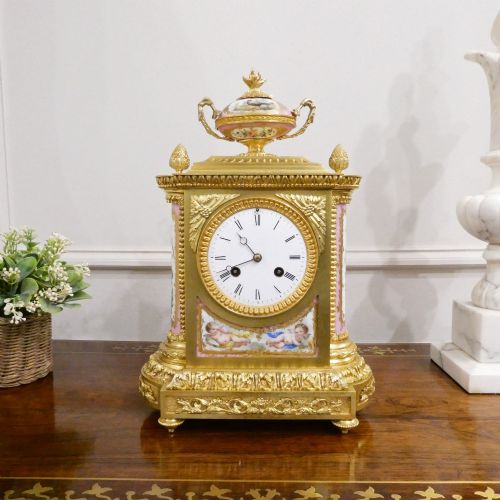
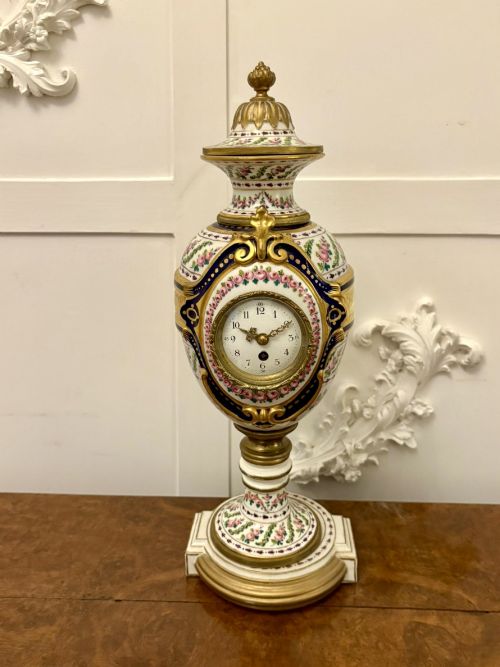
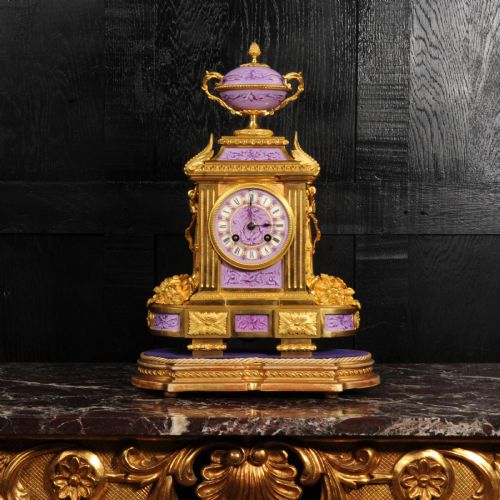
When you search for porcelain mantel urn examples, you encounter items designed to sit upon fireplace ledges or within decorative garniture sets. These objects bridge the gap between functional vessels and sculptural mantel clocks.
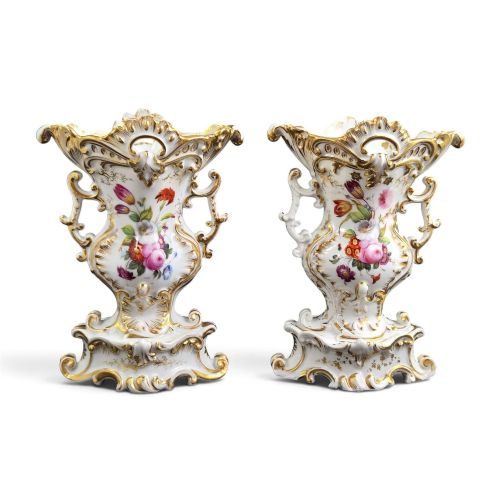
The selections span the nineteenth century through the Edwardian period, incorporating French, English, and Japanese manufacturing origins. You see everything from strict Regency pairs to elaborate Rococo Revival clock garnitures.
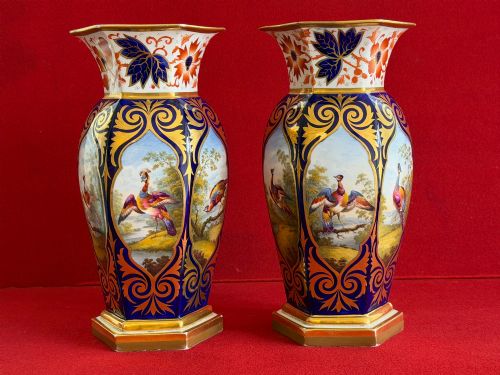
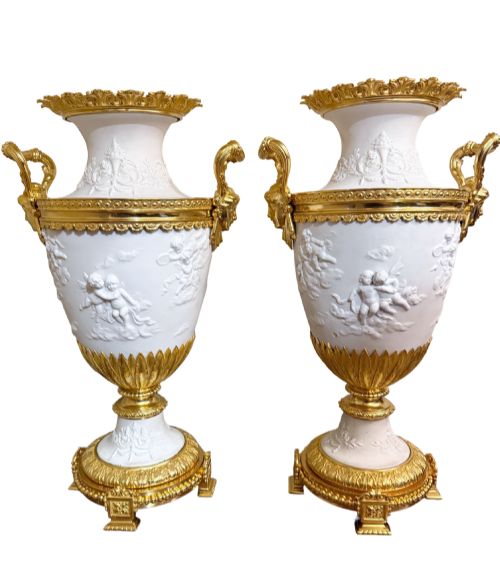
Vases and urn-shaped clocks dominate the form, often accompanied by side vases in matched groupings. Continental factories and English porcelain works provide the core of what appears in this category.
Materials and construction methods
Makers shaped fine ceramic bodies by hand or in moulds before applying glazes and hand-painted pigments. Artisans then fired the pieces multiple times to set delicate polychrome scenes and raised enamel details.
Mounts of gilt bronze, ormolu, and gold leaf frequently frame the ceramic components, particularly on French mantel clocks. Metal casters used intricate lost-wax techniques to produce decorative bases and handles.
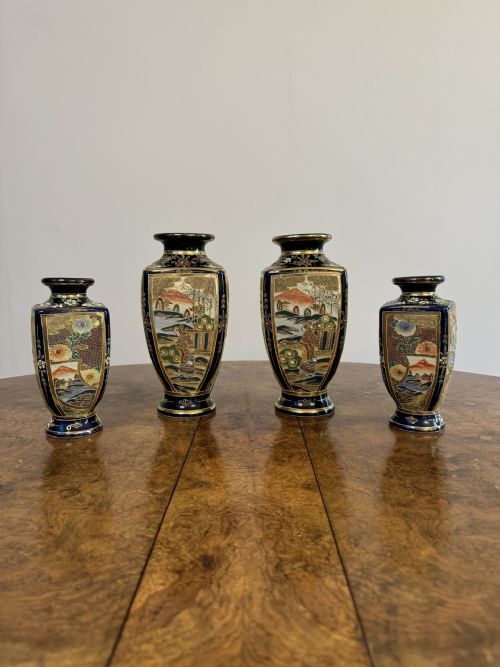
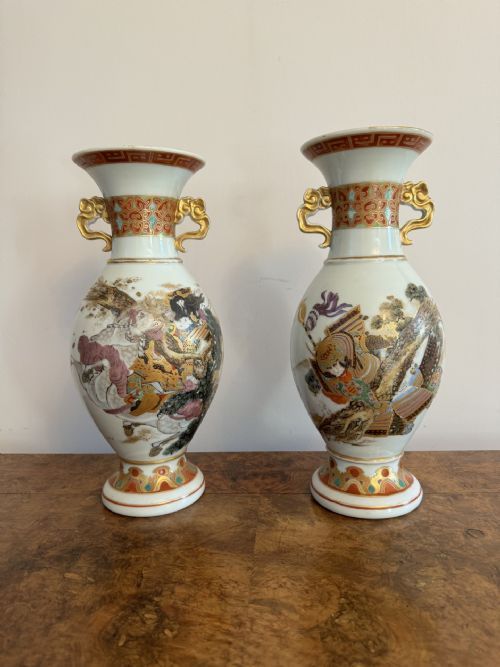
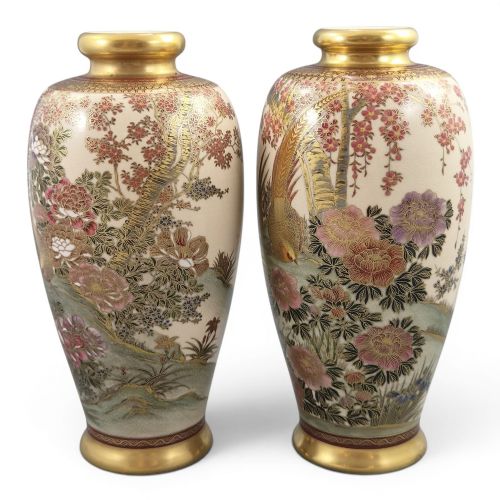
Listings feature nineteenth-century French, English, and Japanese porcelain forms, ranging from hand-painted Sèvres-style urns to Satsuma garniture sets.
Distinctions in execution and finish
The precision of the hand-painted artistry separates standard production from exceptional pieces. Artisans who painted miniature scenes with fine brushwork achieved a level of depth that simpler transfer prints lack.
The weight and crispness of the gilt bronze mounts indicate the care put into the hardware. Heavier, deeply chased ormolu frames signal a higher grade of workshop production than thin, pressed brass.
Japy Freres·Jean-Baptiste Delettrez·Flight Barr And Barr·Jacob Petit·Achille Brocot·Manpei·Hododa·Wolfsohn Dresden
The Porcelain Mantel Urn Glossary
- Garniture
- A set of three or more matching decorative objects, usually comprising a central vase or clock flanked by side vases. These sets were designed to create symmetry across a mantelpiece.
- Ormolu
- Gilt bronze mounts applied to furniture and ceramics. The technique involves a mercury-gilding process that creates a deep, durable golden finish.
- Bleu Céleste
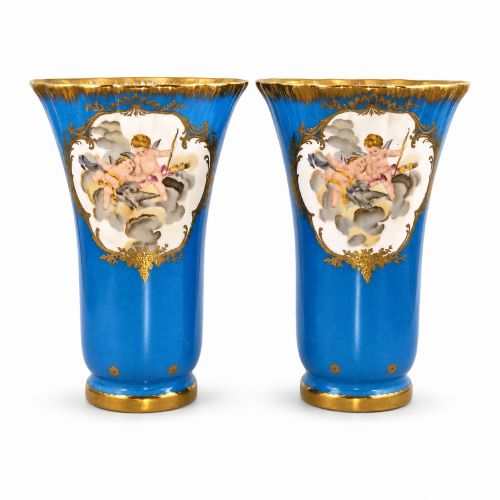
- A bright turquoise blue ground colour developed at the Sèvres porcelain factory in France. It provides a striking backdrop for hand-painted floral panels.
- Famille Rose
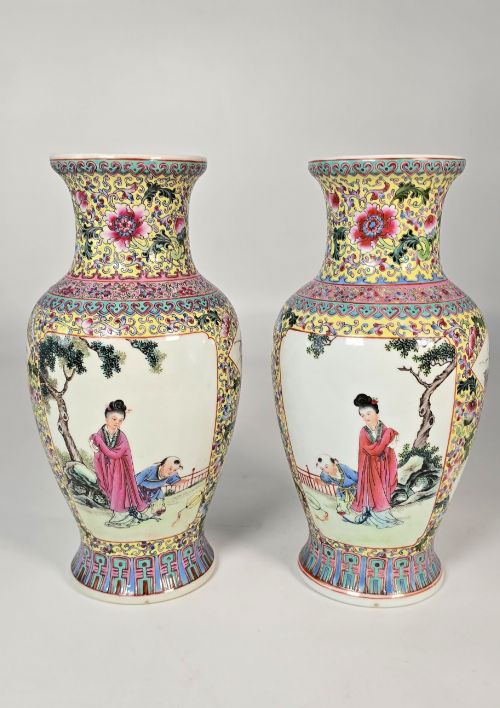
- A palette of Chinese ceramic glazes dominated by opaque pink enamel, introduced during the Qing dynasty. The style heavily influenced European imitations in the nineteenth century.
- Satsuma
- Japanese earthenware pottery featuring a crackle-glaze ivory body decorated with intricate polychrome and gold patterns. Many pieces were produced for export to Western markets.
Porcelain Mantel Urn: Frequently Asked Questions
Can antique clock garnitures still keep time?
Many nineteenth-century mantel clocks retain their mechanical movements and strike the hours accurately. Professional servicing every few years keeps the gears functioning properly.
If a movement has been fully restored, wind it carefully using the correct key. Avoid over-winding to protect the tension of the mainspring.
Where should I place a heavy ceramic urn?
Choose a sturdy surface like a slate mantelpiece or a reinforced console table that can support the combined weight of ceramic and metal mounts. Balance the placement away from direct sunlight to protect painted colours.
Ensure the piece sits on a level plane so that side vases and clock garnitures remain stable. Felt pads beneath the base protect delicate wooden furniture surfaces.
How do I distinguish French works from English ones?
French pieces from the nineteenth century often incorporate elaborate ormolu mounts and classical styling influenced by Sèvres or Paris porcelain traditions. Makers frequently integrated the ceramic bodies directly into clock housings.
English factories like Worcester focused heavily on refined porcelain bodies, vibrant enamels, and distinct handle formations such as dolphins. Their designs often emphasise the purity of the ceramic form over heavy metal hardware.