



French Chateau Ceramics
These French chateau ceramics bring heavy nineteenth century elegance to a room, ranging from grand porcelain vases to ornate chandeliers and lighting.
French Chateau Ceramics
When you search for french chateau ceramics, you are looking at nineteenth century decorative pieces and light fittings originating from France. The selection spans the 1880s through to the 1920s, drawing heavily on historic revival styles.
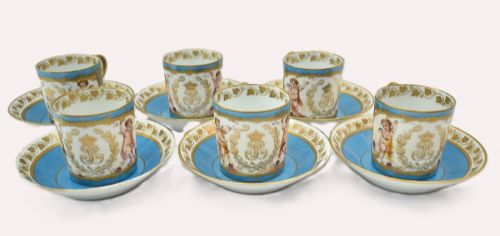
The objects on this page vary from table lamps and chandeliers to decorative urns, cups and saucers, and small architectural hardware like door handles. Many pieces carry royal or chateau associations, notably linked to Sevres production or the Louis Philippe period.
Materials and Construction
The ceramics and porcelain bodies are frequently combined with metal mounts in gilt bronze, chased brass, or gilded brass. Many lighting pieces incorporate painted floral details, enamel work, and fabric or silk elements.
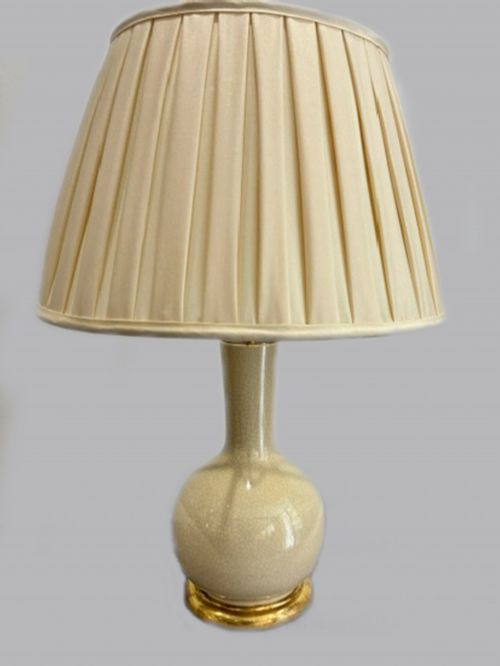
Manufacturing methods rely on traditional nineteenth century techniques, from hand-painted porcelain surfaces to chased metal fittings and crackle ware glazes. Several lighting items demonstrate the period practice of converting earlier vases into table lamps.
French Chateau Ceramics Retail Price Guide 2026
Typical asking prices for french chateau ceramics among the pieces listed under this phrase on Sellingantiques today, from the lower quarter to the upper quarter. They describe what is for sale here now, not the wider market.
Even your front door can join the aristocracy with a pair of antique brass door handles boasting hand-painted porcelain knobs.
Assessing Quality and Execution
Quality in these ceramics rests on the crispness of the porcelain moulding, the fineness of hand-painted floral decoration, and the weight of the metal mounts. Superior pieces display deeply chased brass or gilt bronze rather than lighter stamped alternatives.
The integration of metal hardware with the ceramic body dictates the overall success of an object, particularly in complex chandeliers, lamps, and lidded vases where proportions must remain balanced.
Sevres
The French Chateau Ceramics Glossary
- Sevres
- A famous French porcelain production known for high-quality decorative wares and royal associations. Pieces in this style often feature rich colours and gilt detailing.
- Gilt Bronze
- Bronze metal treated with a thin layer of gold or gold-coloured finish. It provides ornate mounts for nineteenth century lamps and vases.
- Toleware
- Painted or enamelled sheet metal used frequently in French lighting fixtures. It offers durable colour and decorative floral surfaces.
- Crackle Ware
- Ceramic pottery featuring a network of fine cracks in the glaze. This intentional surface texture appears on nineteenth century lamps.
- Louis Philippe
- A mid nineteenth century French design period characterised by comfortable revival styles and restrained classical proportions.
French Chateau Ceramics: Frequently Asked Questions
What are french chateau ceramics?
They are nineteenth century decorative objects, table lamps, chandeliers, and porcelain items originating in France. The category embraces revival styles associated with historic chateaux.
Most items date from the 1880s up to the 1920s, combining ceramic bodies with brass, bronze, and gilt metal mounts.
How were these porcelain lamps used?
Many of these pieces began life as decorative vases, urns, or table wares before being converted into electric lamps during or after the nineteenth century.
They served as grand lighting fixtures in drawing rooms and salons, combining practical illumination with elaborate French decorative art.
How do I date a nineteenth century vase?
Dating relies on stylistic markers, the nature of the ceramic glaze, and the composition of the metal mounts. Pieces often carry period marks or reflect specific reigns like Louis Philippe.
Comparing the painting technique and the weight of the bronze or brass hardware helps place an object within the 1800s or early 1900s.
How do I live with antique porcelain?
These ceramic and porcelain pieces require stable placement away from heavy foot traffic, particularly taller vases and multi-branched chandeliers. Gentle dusting with a dry cloth preserves the painted surfaces and gilt details.
When dealing with converted lamps, ensure modern electrical components are checked by a qualified professional before daily use.