



19th Century Italian Urn
A 19th century italian urn brings the sculptural weight of classical antiquity directly into a room through carved stone and cast bronze.
19th Century Italian Urn
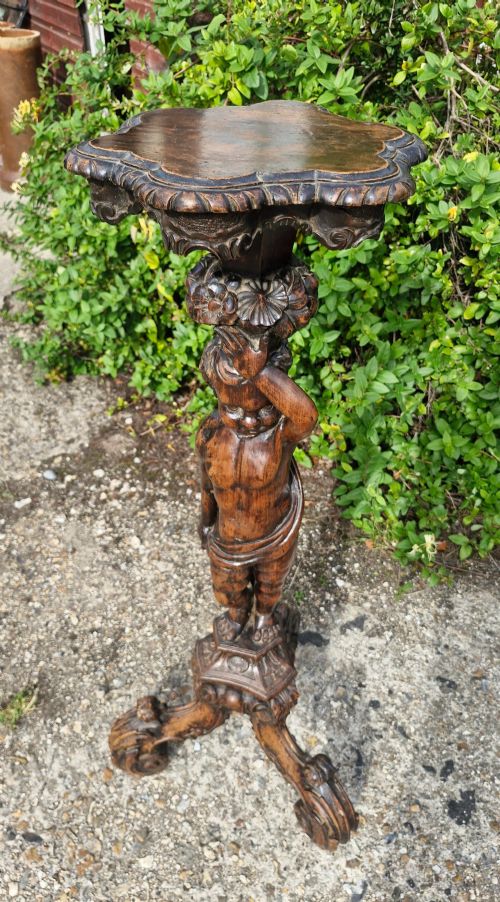
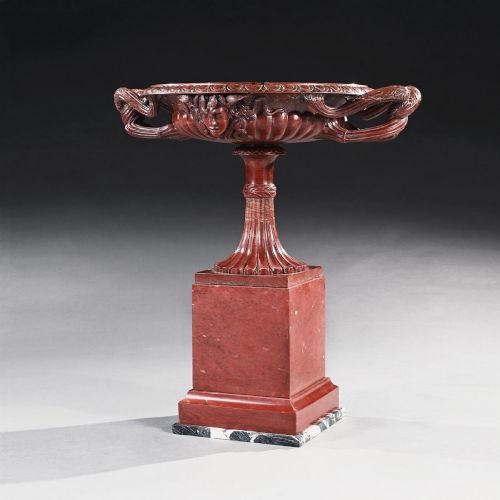
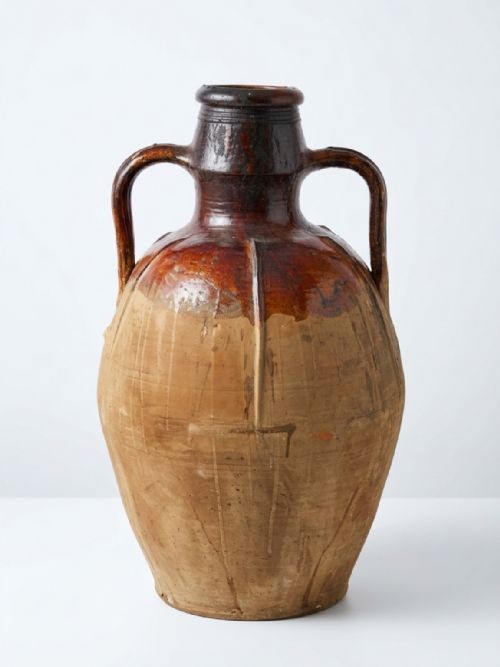
A 19th century italian urn encompasses decorative vessels, tazzas, and campana shapes rooted in neoclassical design and Grand Tour souvenirs. Buyers encounter these objects fashioned as bronze centerpieces, carved alabaster vases, and large terracotta wine jars originating from Florentine, Neapolitan, and Roman workshops.
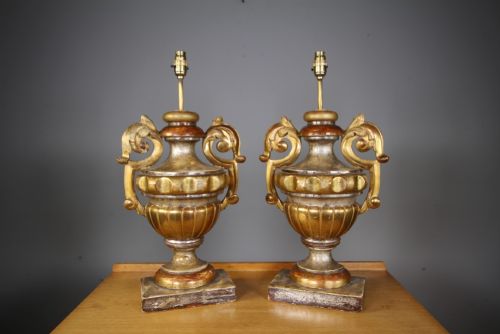
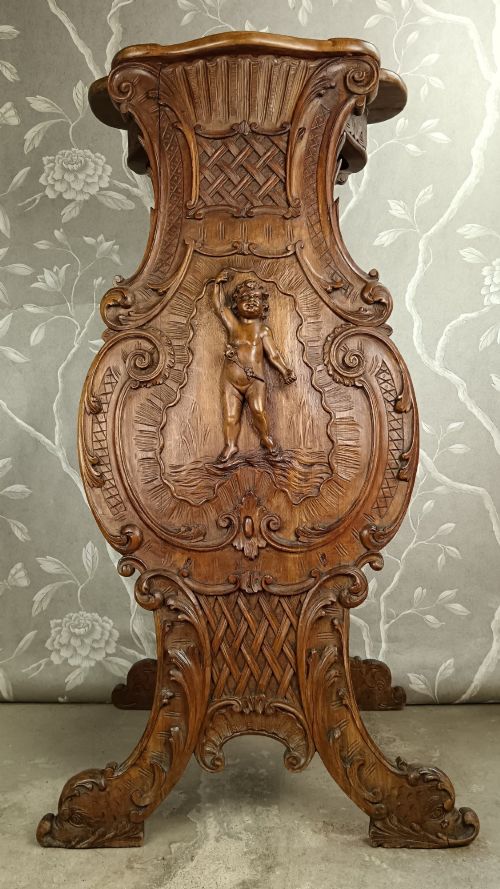
The selection ranges from small-scale souvenir alabaster pieces set on marble block bases to monumental carved pine and gilt lamp conversions or pedestal-mounted majolica vases. Many examples replicate ancient archetypes discovered during archaeological excavations across Italy during the Victorian era.
Materials and Technique
The makers utilised diverse mineral and metallic mediums, combining cast bronze and brass with highly figured stones including Rosso Antico, alabaster, and Carrara marble. Carved pine and terracotta also appear, finished with gilding or tin glaze in maiolica traditions.
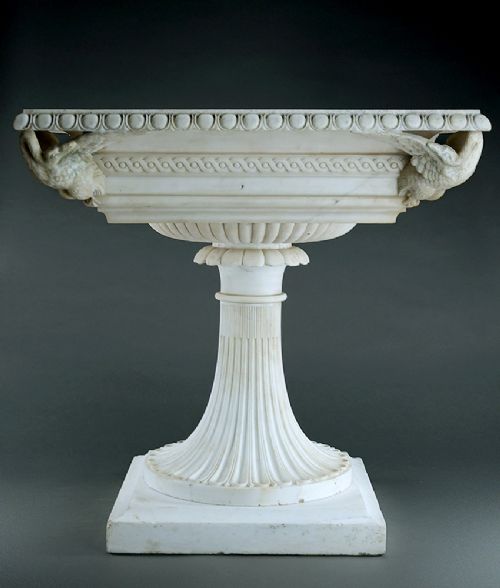
Techniques relied on traditional foundry casting for metal campana urns and detailed hand-carving for stone tazzas and pedestal stands. Artisans turned alabaster and marble on lathes before executing relief decoration by hand.
19th Century Italian Urn Retail Price Guide 2026
Typical asking prices for 19th century italian urn among the pieces listed under this phrase on Sellingantiques today, from the lower quarter to the upper quarter. They describe what is for sale here now, not the wider market.
Listings feature bronze, marble, alabaster, and earthenware, spanning neoclassical, Renaissance revival, and Grand Tour styles.
Craftsmanship and Material Depth
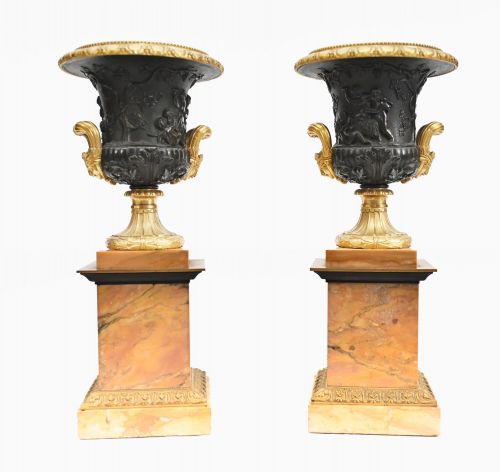
Quality rests in the crispness of the cast bronze detailing, such as finely chased cherubs and Bacchic motifs, versus softer, blurred surface relief. In stone pieces, the natural figuring of the alabaster or Rosso Antico marble dictates visual depth and desirability.
The integrity of the construction, including the precise fit of tazze bowls onto their marble bases and the preservation of original gilt surfaces, separates standard souvenir items from exceptional sculptural works.
Cantagalli·Benedetto Boschetti
The 19th Century Italian Urn Glossary
- Campana urn
- A bell-shaped vessel with a flaring rim and footed base, frequently cast in bronze during the Grand Tour period.
- Tazza
- A shallow saucer-like ornamental cup or vase raised on a stem and foot, often carved from marble or alabaster.
- Maiolica
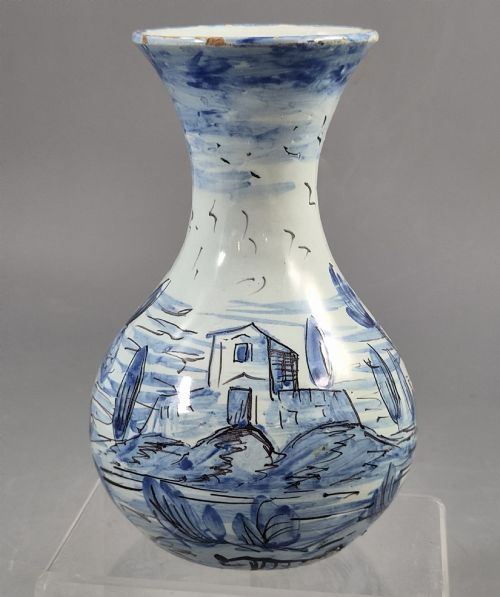
- Italian tin-glazed earthenware decorated with opaque colours, represented here by cabinet vases and majolica vessels.
- Rosso Antico
- A deep red antique marble prized by Italian lapidaries for classical souvenir columns and tazze bases.
- Grand Tour
- A cultural journey undertaken by nineteenth-century travellers who acquired souvenir bronzes and carved stone vessels.
19th Century Italian Urn: Frequently Asked Questions
What is a Grand Tour urn?
A Grand Tour urn is a souvenir piece purchased by nineteenth-century travellers visiting archaeological sites in Italy. These objects imitated classical antiquities in bronze or carved stone.
Craftsmen in Rome and Florence produced them in various sizes to serve as ornamental decorations in British and European homes.
How do bronze and marble urns differ?
Bronze urns employ metal casting techniques, often featuring classical figures, handles, and patinated surfaces. Marble and alabaster versions rely on stone carving to showcase natural mineral figuring.
Both materials were utilised to recreate ancient Roman and Greek vessel forms popular during the Victorian period.
Where should an urn be displayed?
These vessels suit prominent surfaces such as sideboards, mantelpieces, or dedicated pedestals and plinths. Their sculptural silhouettes draw the eye when placed against neutral walls.
Larger terracotta jars and pedestal-mounted vases function well as standalone floor-standing decorative elements in hallways or reception rooms.
How do I identify a nineteenth-century piece?
Nineteenth-century pieces typically display the distinct patination of cast bronze or the characteristic hand-carving marks found on alabaster and marble. Stylistic cues include neoclassical motifs, revival styles, and specific regional marbles.
Comparing the construction methods to documented Victorian Grand Tour workshops helps confirm the era of manufacture.