








Neoclassical Pedestal Vase
A neoclassical pedestal vase brings architectural symmetry and classical form into a room.
Neoclassical Pedestal Vase
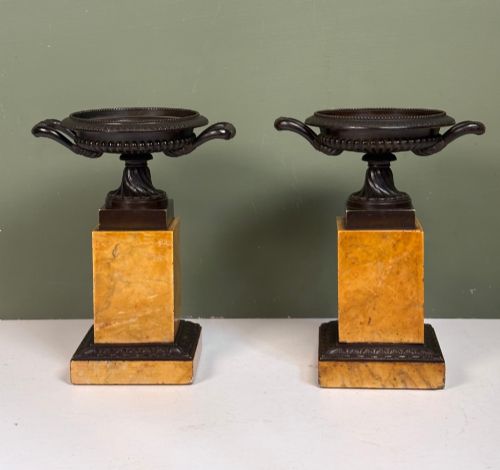
A neoclassical pedestal vase draws on ancient Greek and Roman forms, combining a raised plinth or column with a classical vessel shape. When buyers search for a neoclassical pedestal vase, they encounter pieces originating from the Georgian period through to the Edwardian era, with the nineteenth century heavily represented.
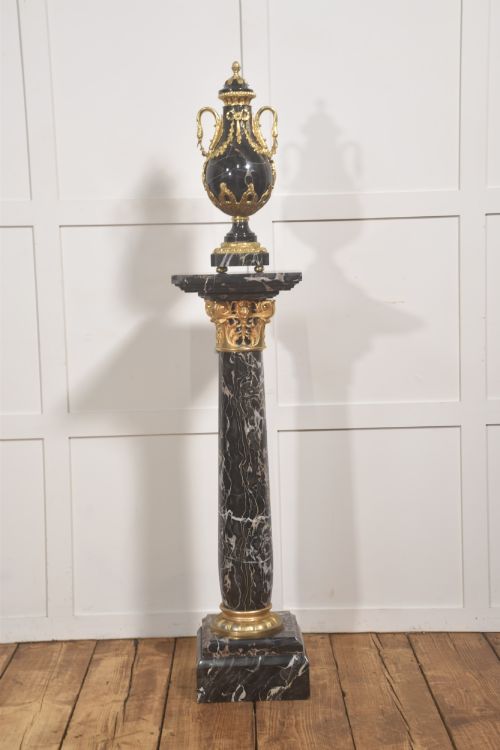
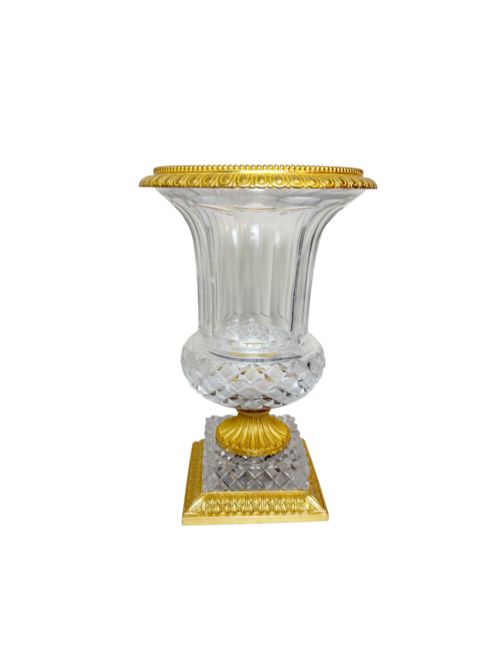
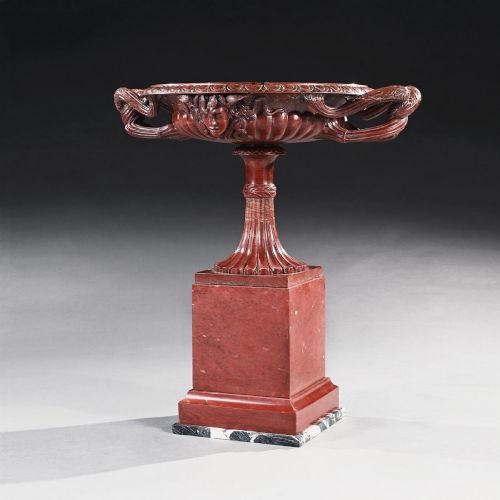
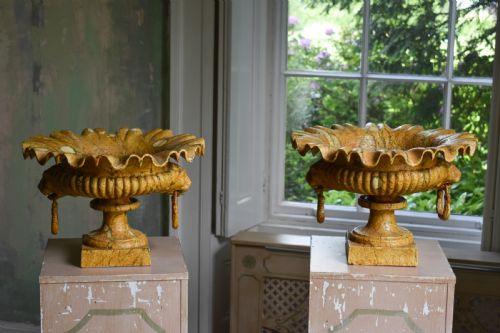
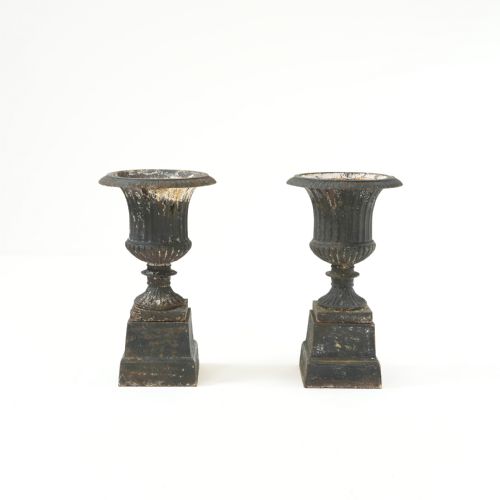
The inventory on this page spans decorative urns, campana shapes, tazzas, and Jardinieres. Materials range from cast iron and terracotta for garden use to refined porcelain, marble, and gilt bronze intended for interior display.
Stylistic influences include French Empire, Grand Tour souvenirs, and Victorian interpretations of antiquity. These objects function as focal points on mantelpieces, pedestals, and entrance halls.
How they were made
Makers utilised casting techniques for metals such as bronze, ormolu, spelter, and iron, often combining multiple components into a single vessel. Marble, alabaster, and terracotta were turned or carved to create smooth bodies and fluted columns.
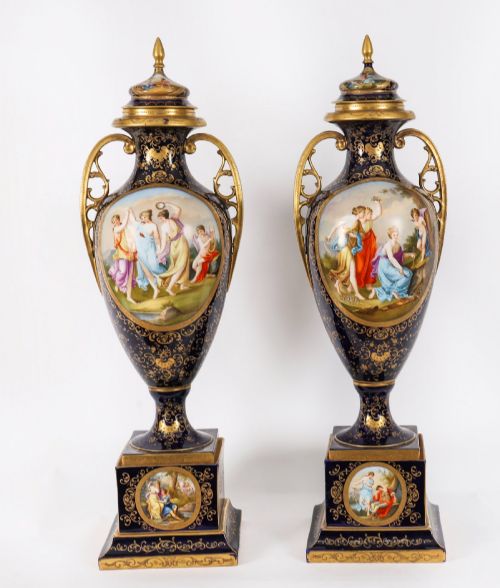
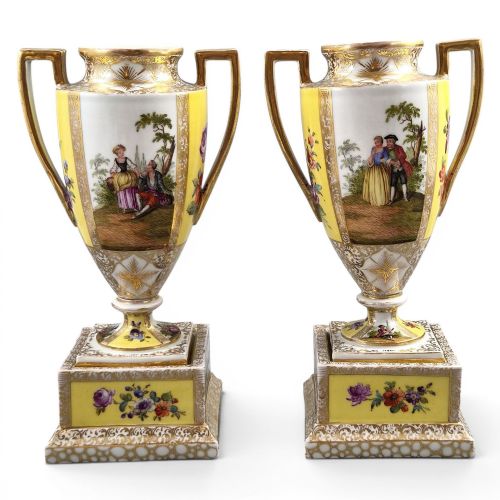
Porcelain examples, including Vienna and Dresden pieces, involved high-temperature firing, hand-painting, and the application of gold leaf or enamel details. Bas-reliefs in jasperware were moulded separately and applied to the main body before firing.
Neoclassical Pedestal Vase Retail Price Guide 2026
Typical asking prices for neoclassical pedestal vase among the pieces listed under this phrase on Sellingantiques today, from the lower quarter to the upper quarter. They describe what is for sale here now, not the wider market.
Listings feature items from the Georgian period through to Edwardian times, with a strong concentration of nineteenth-century Victorian and Grand Tour pieces.
What varies in quality
The precision of the casting and the crispness of detail separate standard production from superior pieces. Fine bronze and ormolu mounts show sharp acanthus leaves and clean lines, whereas lesser metalwork appears soft and indistinct.
In porcelain and marble, the quality lies in the depth of hand-painting, the purity of the stone, and the secure assembly of multi-part constructions. Patination on bronzes and the preservation of original gilding also determine the standing of an item.
Helena Wolfsohn Dresden·Clodion·Wedgwood
The Neoclassical Pedestal Vase Glossary
- Campana urn
- A bell-shaped vessel with a flaring rim, originating in ancient Rome. This form appears frequently in cast iron and bronze.
- Ormolu
- Gilt bronze utilised for decorative mounts and feet. The technique involves applying a mercury and gold amalgam to bronze.
- Jasperware
- A type of fine stoneware developed by Wedgwood, typically featuring white bas-relief figures against a coloured background.
- Grand Tour
- A cultural journey undertaken by wealthy Europeans in the eighteenth and nineteenth centuries, resulting in the acquisition of classical bronzes and alabaster urns.
- Tazza
- A shallow cup or vase set on a pedestal foot. These pieces are often seen in bronze and marble.
Neoclassical Pedestal Vase: Frequently Asked Questions
Where were Grand Tour urns made?
Grand Tour pieces were principally manufactured in Italy, particularly Rome, Florence, and Naples, during the nineteenth century. Artisans created scaled-down bronze and alabaster copies of ancient antiquities for travellers.
These objects allowed collectors to bring classical sculpture and architecture into their domestic spaces.
How do I style a pedestal vase?
Pedestal vases require space to display their height and architectural proportions effectively. They sit well on console tables, heavy wooden pedestals, or architectural ledges.
Large cast iron versions suit entrance halls or garden terraces, while porcelain and marble examples anchor interior room schemes.
Are cast iron urns for outdoor use?
Cast iron urns withstand outdoor conditions when placed on secure stone plinths or bases. Over time, exposure to the elements develops a natural oxidised surface.
Lighter materials such as porcelain, alabaster, and gilt bronze remain strictly indoors to protect delicate finishes and surfaces.