




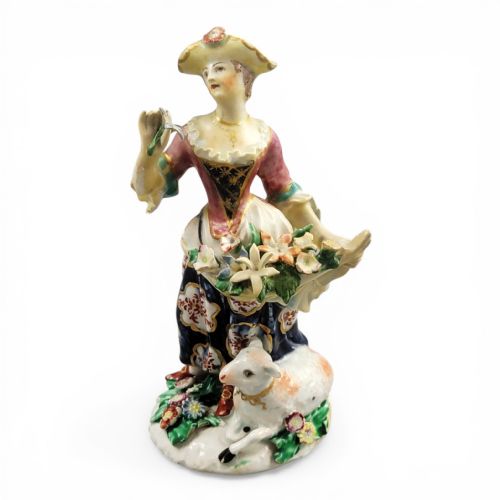
Porcelain Lady Figure
Porcelain lady figure works bring domestic elegance to a room, ranging from eighteenth-century Meissen models to twentieth-century Art Deco dancer studies.
Porcelain Lady Figure
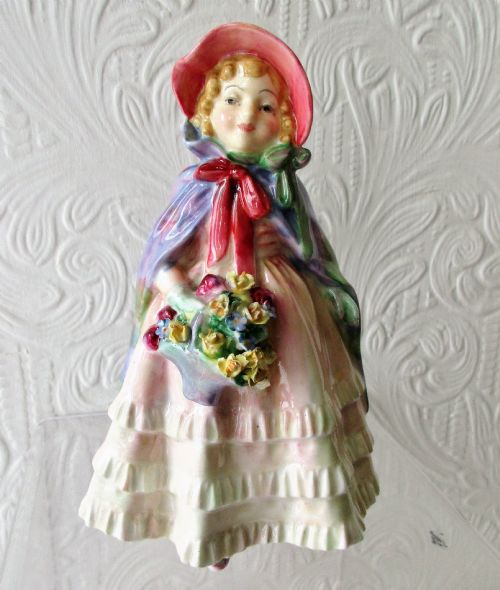
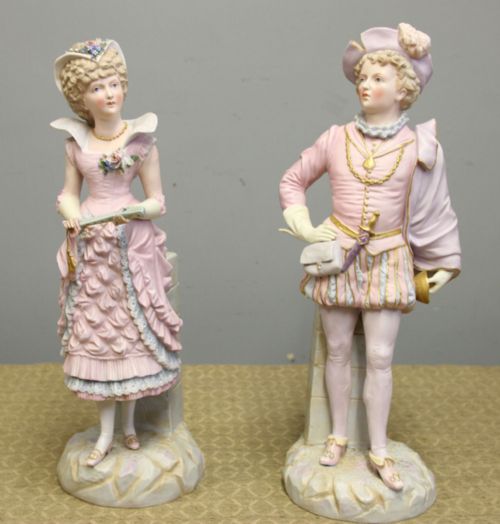
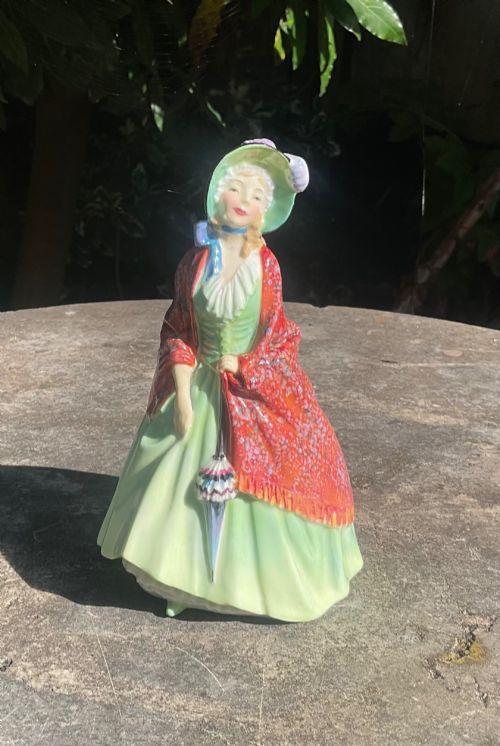
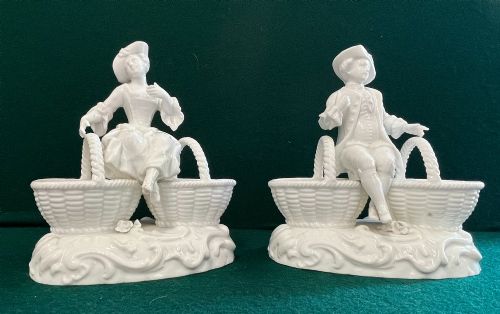
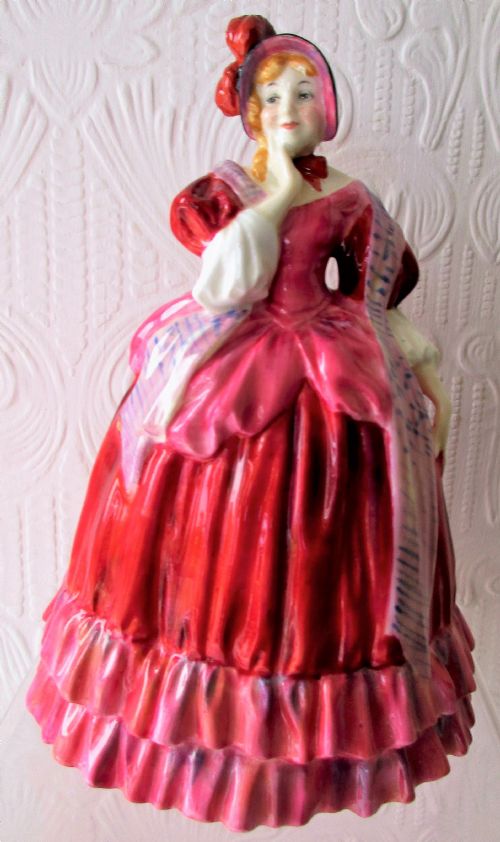
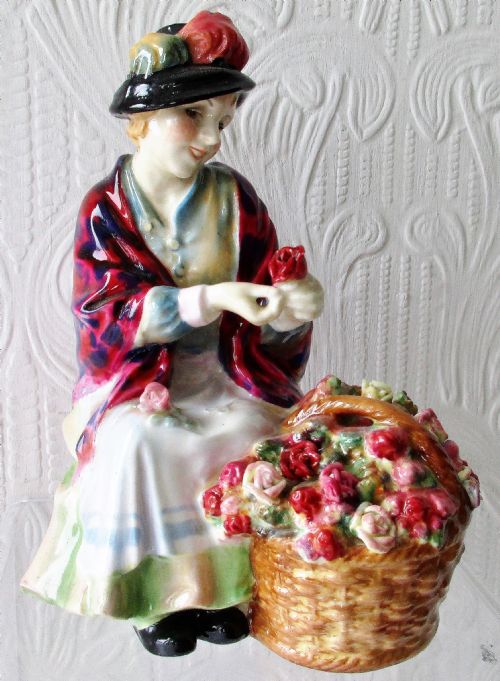
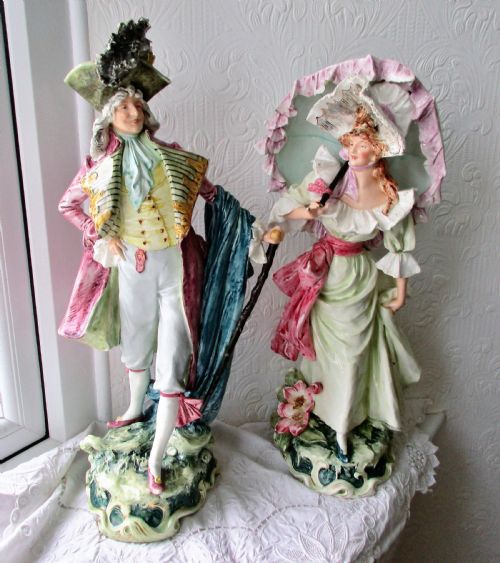
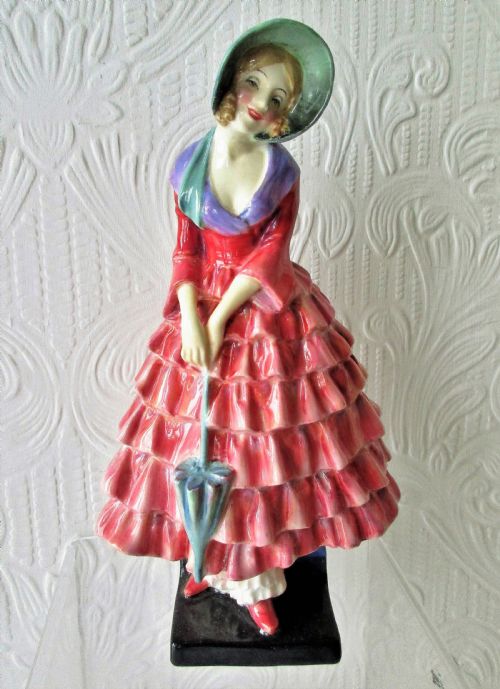
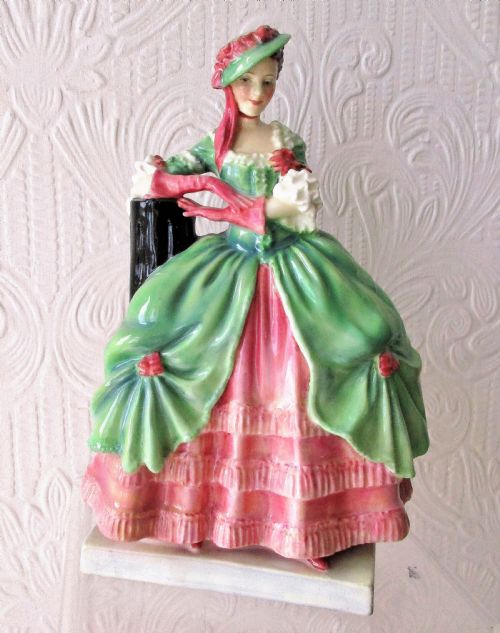
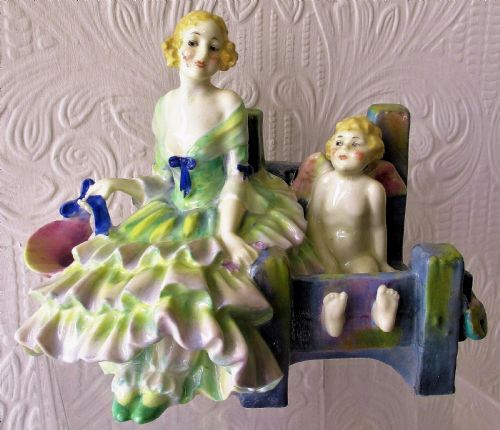
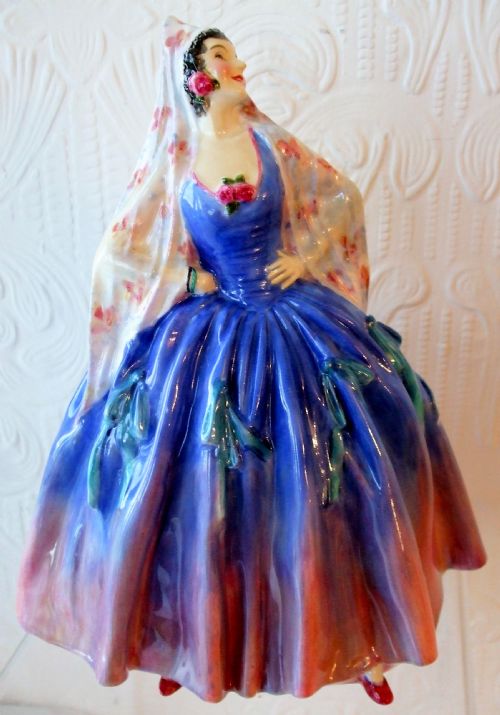
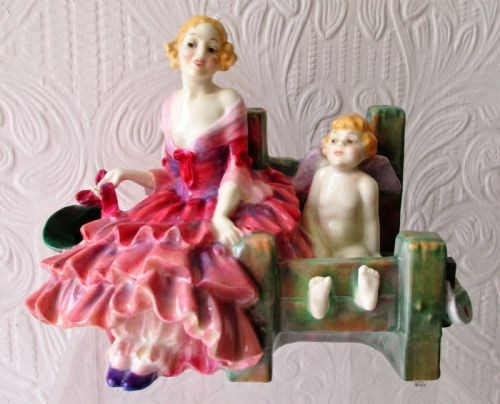
A porcelain lady figure search covers sculpted ceramic women spanning centuries, with English porcelain editions from the early twentieth century appearing frequently alongside nineteenth-century continental European examples. These works take the form of freestanding decorative figurines, vanity accessories, and powder boxes shaped as elegant female subjects.
The materials and styles shift across production centres, moving from eighteenth-century Meissen and Bow pieces through Victorian parian ware to Art Deco ceramic flapper figures. Buyers encounter depictions ranging from historical characters and literary heroines to graceful maidens with lambs, flowers, or musical instruments.
Materials and production methods
Moulding and hand-finishing techniques varied by period, with eighteenth-century factories producing delicate glazed figures and later continental potteries utilising biscuit porcelain for a matte, marble-like finish.
Porcelain Lady Figure Retail Price Guide 2026
Typical asking prices for porcelain lady figure among the pieces listed under this phrase on Sellingantiques today, from the lower quarter to the upper quarter. They describe what is for sale here now, not the wider market.
Listings span periods from 1750 through the Victorian era and Art Deco 1930s.
Assessing quality in ceramic figures
Quality rests on the crispness of the moulding and the precision of the hand-painted enamel work, where finer pieces retain sharp facial expressions and detailed drapery without blurring. The delicacy of applied elements, such as lace or botanical accessories, distinguishes master modeller output from standard factory production.
The integrity of the glaze or biscuit finish and the subtlety of any gilding or gold leaf application further separate standard decorative items from works of higher artistic execution.
Royal Doulton·Meissen·Royal Worcester·Royal Dux·Bow Porcelain·Ludwigsburg·Ernst Wahliss·Vion et Baury·Samson·Minton
The Porcelain Lady Figure Glossary
- Bisque
- Unglazed biscuit porcelain with a matte, porous surface resembling marble. It became popular for nineteenth-century sculptural figures and vanity items.
- Parian ware
- A fine white porcelain developed in the nineteenth century to imitate marble. It often appears in Victorian figures and sculptural busts.
- Bone china
- A type of porcelain containing bone ash, known for its high strength and milky white appearance. English potteries utilised it extensively for twentieth-century figurines.
- Enamel
- Vitreous colour fused to the ceramic surface through firing. It provides the detailed pigments on robes, faces, and decorative motifs.
Porcelain Lady Figure: Frequently Asked Questions
What is a porcelain lady figure?
A porcelain lady figure is a ceramic or bone china sculpture depicting a female subject, produced as a decorative ornament or functional vanity item.
These pieces range from small eighteenth-century table sculptures to twentieth-century Art Deco powder boxes and large mantel figures.
How do I date a porcelain lady figure?
Dating relies on identifying factory marks, ceramic bodies, and stylistic indicators such as Art Deco geometric lines or Victorian neoclassical drapery.
Changes in glaze formulas and manufacturing techniques across the eighteenth, nineteenth, and twentieth centuries also help establish age.
Where were porcelain figures made?
Production centres spanned England, Germany, France, and Japan, with major factories operating in Meissen, Staffordshire, Paris, and Kutani.
Each region employed distinct regional styles, from French faience to Japanese Meiji period porcelain.
How were these figures used originally?
Many served as drawing room ornaments or mantel decorations intended to display taste and refinement in wealthy households.
Others functioned as powder boxes, perfume sets, or trinket containers placed upon dressing tables and vanity surfaces.