

Polychrome Porcelain Urns
Polychrome porcelain urns bring brilliant colour and historic craftsmanship into a room.
Polychrome Porcelain Urns
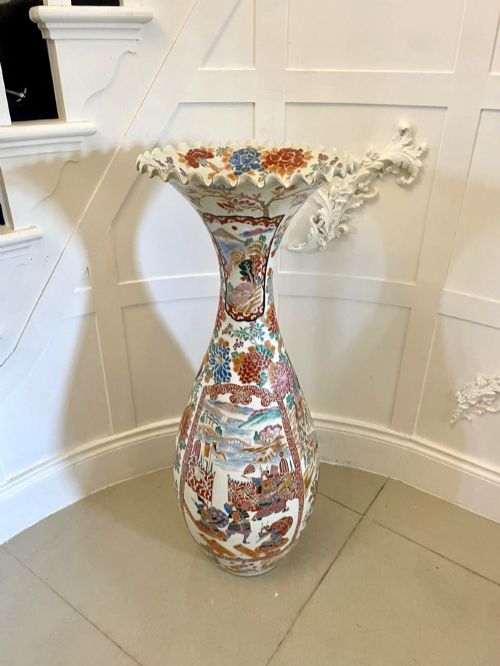
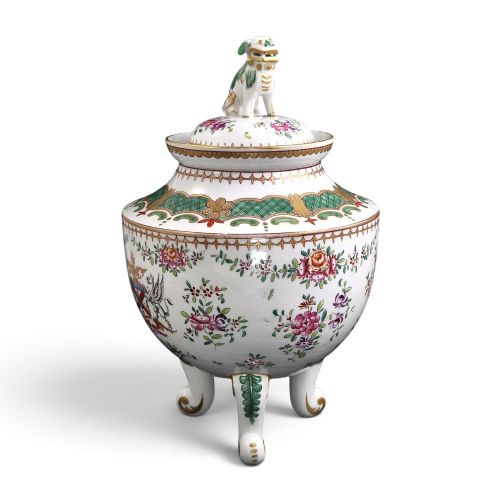
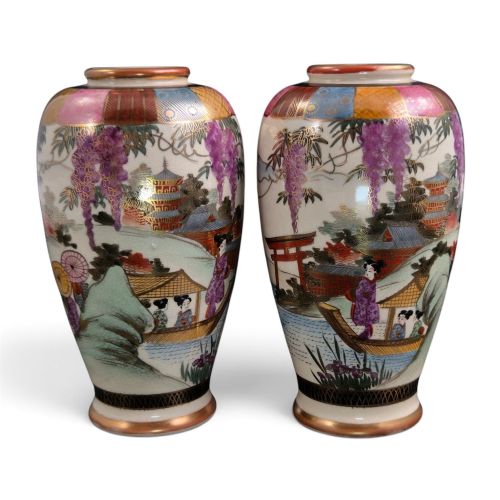
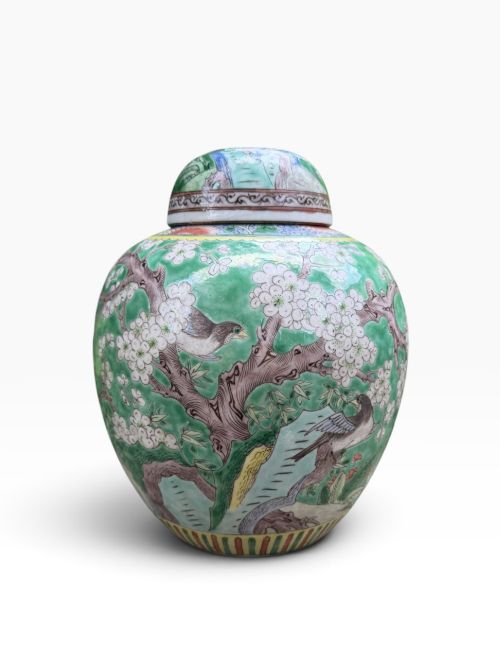
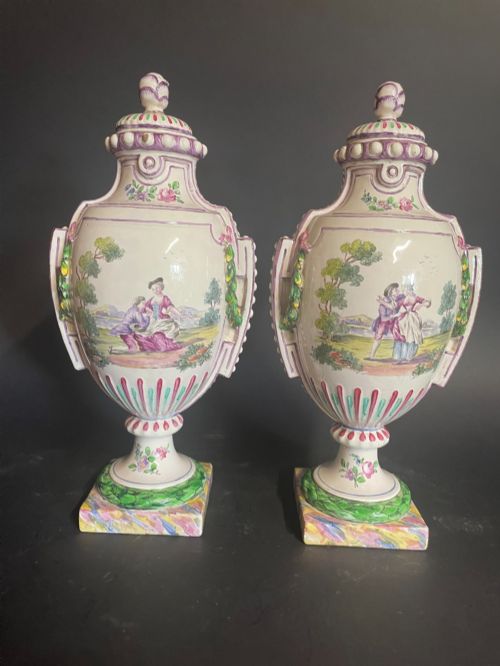
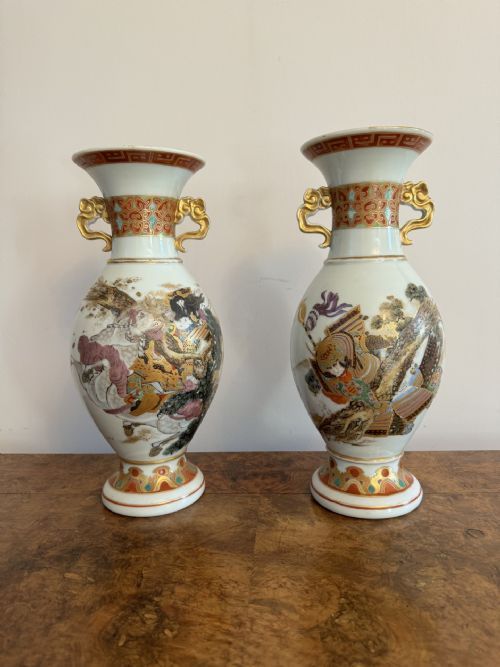
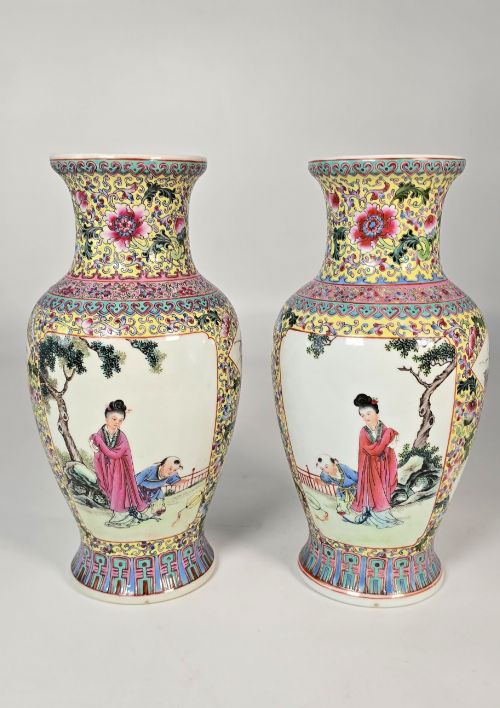
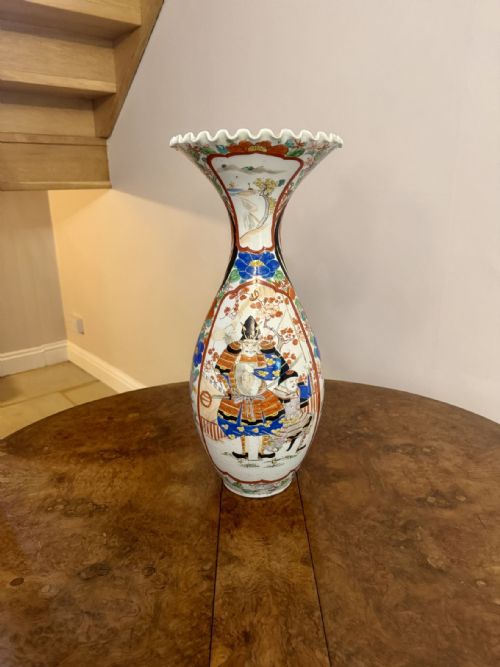
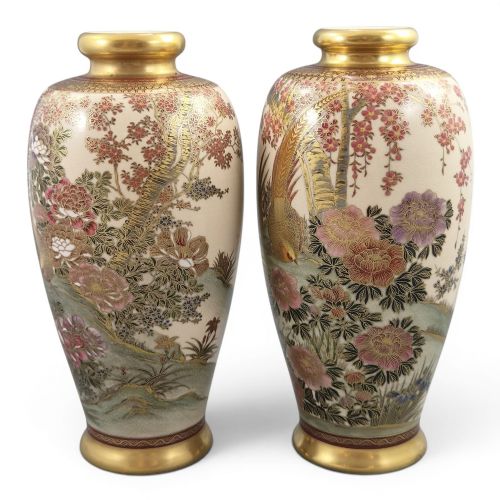
Polychrome porcelain urns encompass large decorative vases, ginger jars, and lidded vessels produced across European and Asian kilns during the nineteenth and early twentieth centuries. These pieces typically display rich multi-coloured enamel painting, often complemented by gilding or gold leaf.
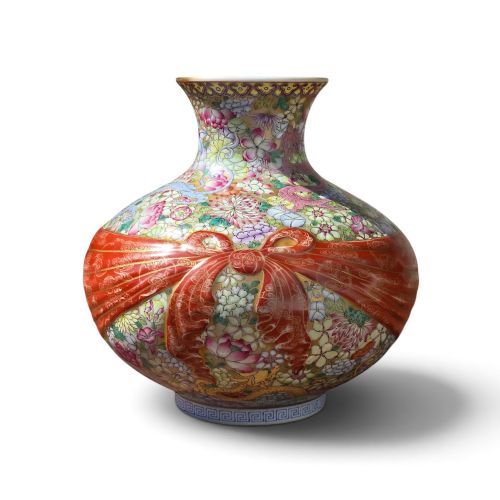
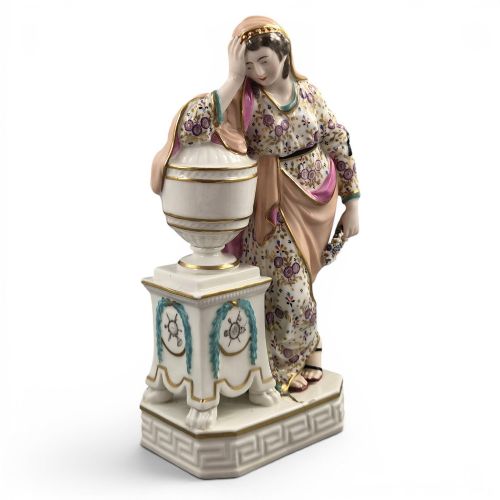
Buyers encounter distinct regional aesthetics, spanning intricate Japanese landscape scenes and Chinese famille rose motifs to European neoclassical interpretations and armorial designs.
Materials and production methods
Potters shaped these vessels using fine porcelain clay or earthenware bodies, applying white or coloured glazes as a smooth foundation for subsequent decoration. Kiln firing fixed the primary structures before artists added detailed surface designs.
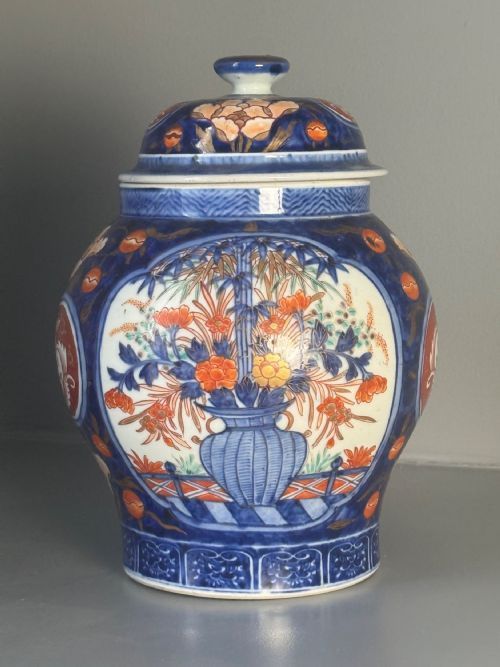
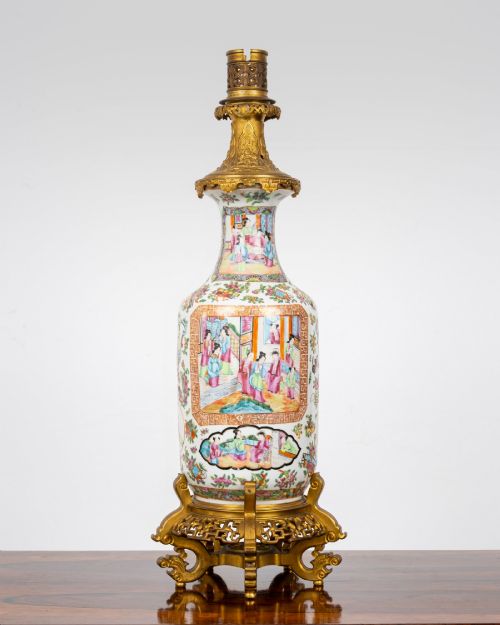
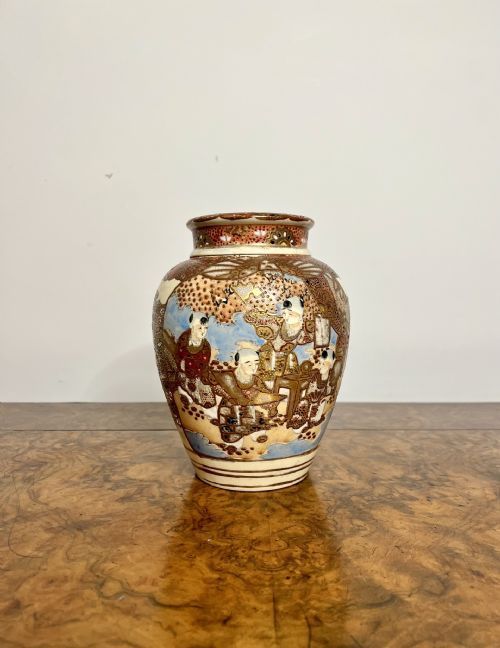
Makers applied polychrome enamels by hand, utilising iron-red, cobalt blue, and various mineral pigments to build complex pictorial or floral compositions. Many pieces received final highlights in gold leaf, gilding, or gilt bronze mounts to enhance their decorative impact.
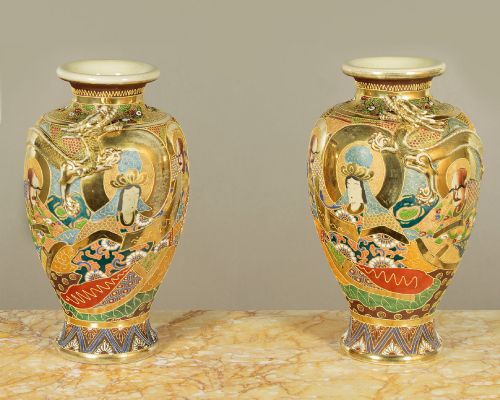
Arhats peer intently from gilded panels, reminding viewers that ceramic contemplation is a serious spiritual discipline.
Assessing craftsmanship and finish
Quality rests upon the precision of the hand-painted brushwork, where finer pieces display meticulous detail in facial expressions, plumage, and botanical motifs without blurring or misaligned pigment layers. The application of gold leaf and enamel depth distinguishes standard production from exhibition pieces.
The purity of the porcelain body and the evenness of the glaze influence overall refinement, alongside the crispness of moulded details and the structural integration of any metal mounts or covers.
Manpei Kobe·Yamashu·Hododa·Samson Paris·Royal Worcester
The Polychrome Porcelain Urns Glossary
- Polychrome
- Decoration executed in multiple colours, typically utilising painted enamels fired onto the ceramic surface. This technique allows for vibrant, multi-hued pictorial scenes.
- Satsuma
- A type of Japanese earthenware featuring a crackle glaze and elaborate polychrome enamel and gilt decoration. Originating in Kagoshima province, production expanded widely during the Meiji period.
- Imari
- Japanese export porcelain decorated in underglaze blue, iron-red, and gilt. The style originated in Arita and gained immense popularity across European interiors.
- Famille Rose
- A major palette of Chinese ceramic glazes introduced during the Qing dynasty, characterised by opaque pink or rose enamels derived from colloidal gold. This grouping includes delicate shades of green, yellow, and blue.
- Campana
- A classical vase shape resembling an inverted bell with an everted rim and a pedestal foot. This form frequently appeared in nineteenth-century European decorative ceramics.
Polychrome Porcelain Urns: Frequently Asked Questions
How do I identify Satsuma ware?
Satsuma pieces generally display a distinct cream-coloured earthenware body covered in a fine network of transparent crackle glaze. Artisans painted these surfaces using dense polychrome pigments and heavy gold highlights.
Most examples date from the Meiji period onwards, often bearing maker marks or signature panels on the base.
What is Chinese export porcelain?
Chinese export porcelain refers to ceramics manufactured in China specifically for overseas markets in Europe and the Americas. These wares combined traditional domestic forms with decorative motifs tailored to foreign tastes, such as armorial crests.
Production spanned multiple dynasties, including extensive output during the Qing period.
How were ginger jars originally used?
Ginger jars served as durable storage containers for spices, salt, and oils in traditional households. Their wide shoulders and snug covers protected contents from moisture and pests.
By the nineteenth century, European and Asian workshops produced them primarily as decorative ornaments.
Can I use these urns as lamps?
Many large vases and urns underwent conversion into table lamps during the nineteenth and twentieth centuries to suit contemporary interiors. These adaptations often involved securing gilt bronze mounts or drilling bases for electrical wiring.
Converted pieces retain their original hand-painted surface decoration while serving a functional lighting purpose.