

Polychrome Porcelain Ornaments
Polychrome porcelain ornaments bring lively colour and character to a room, ranging from delicate eighteenth-century figures to striking nineteenth-century animal pairs.
Polychrome Porcelain Ornaments
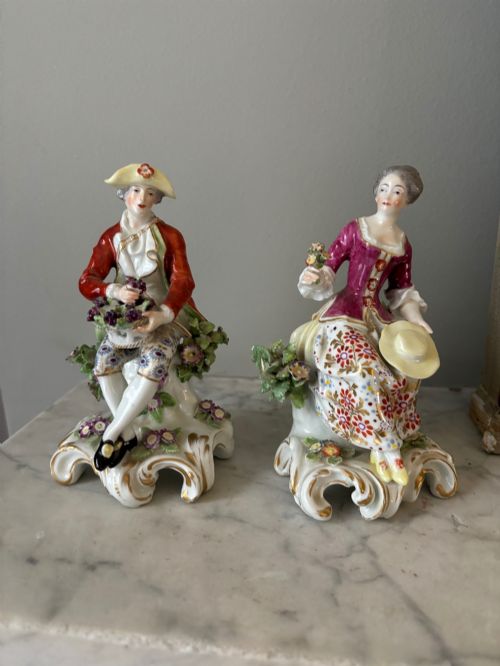
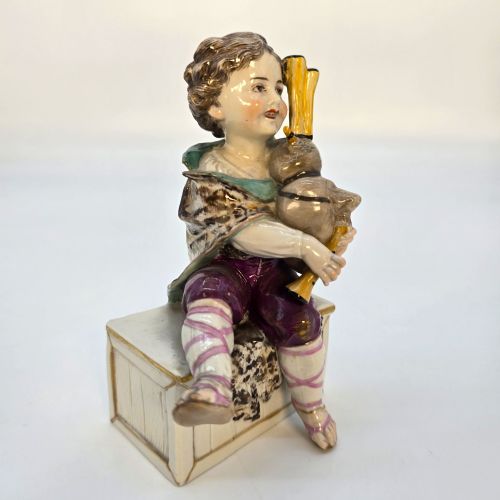
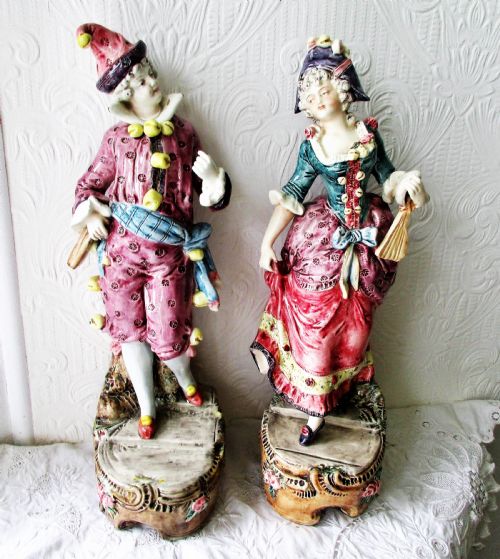
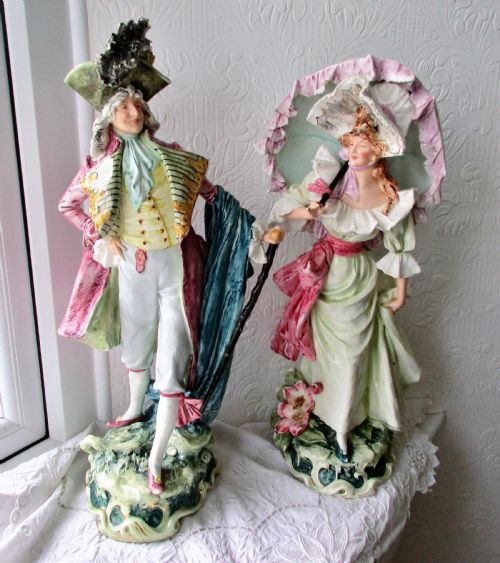
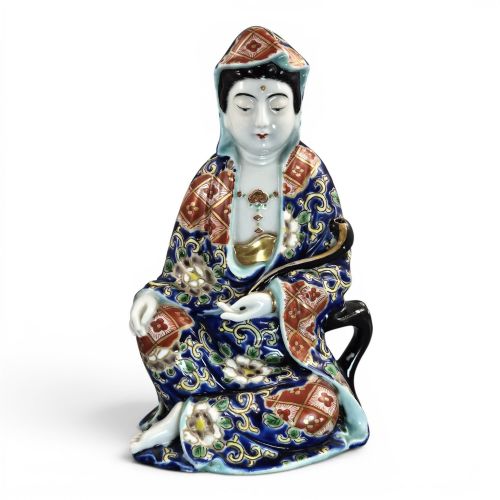
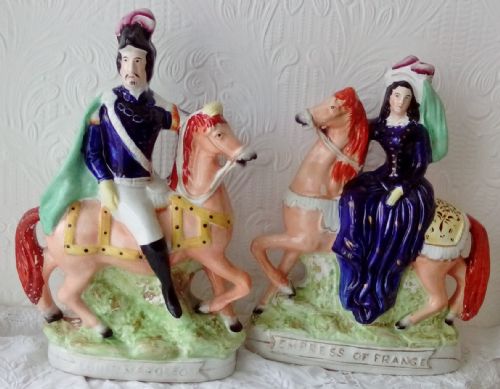
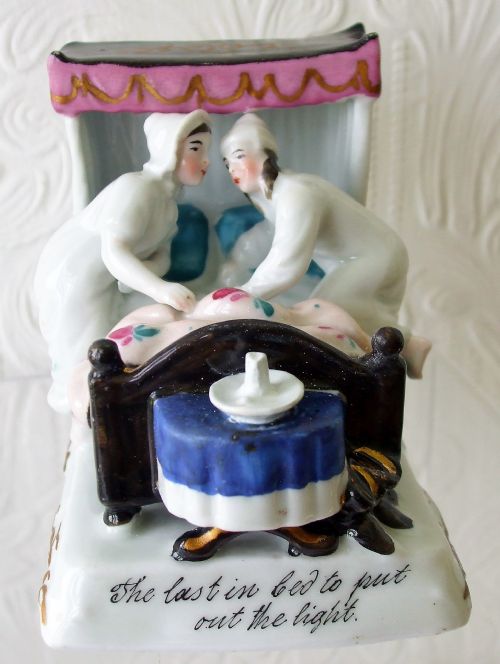
Polychrome porcelain ornaments comprise glazed figures, sculptural groups, and decorative objects painted in multiple colours. Buyers searching this phrase will find a strong representation of nineteenth-century European factories alongside eighteenth-century figures and East Asian ceramic sculptures.
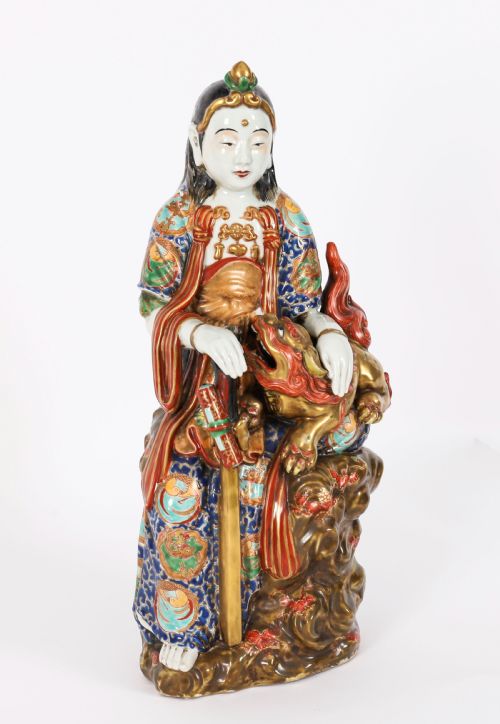
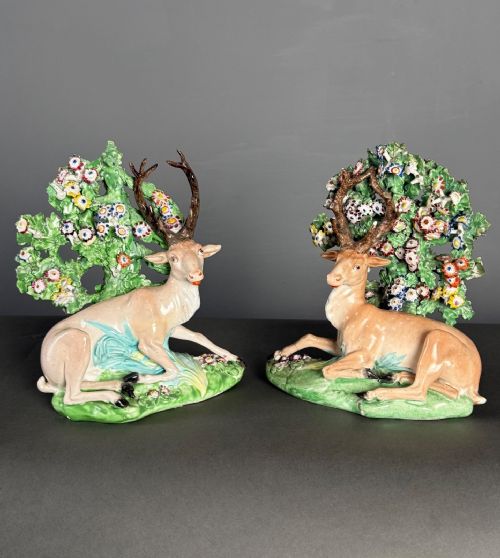
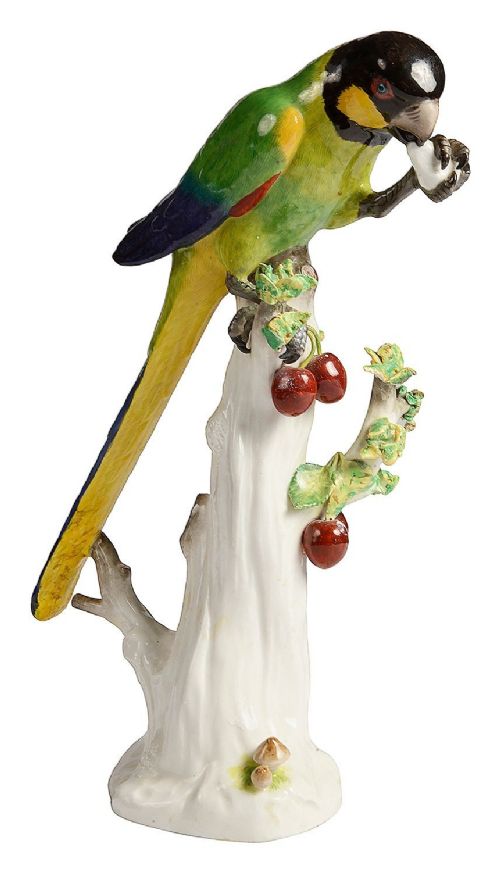
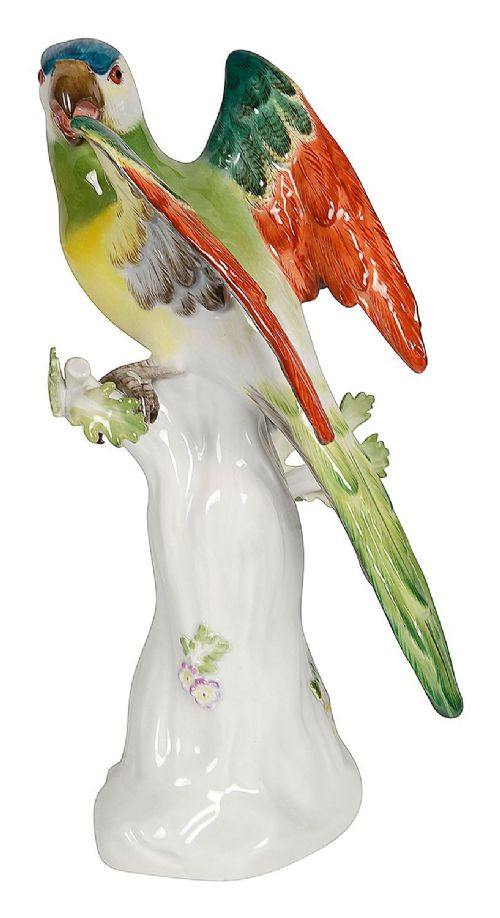
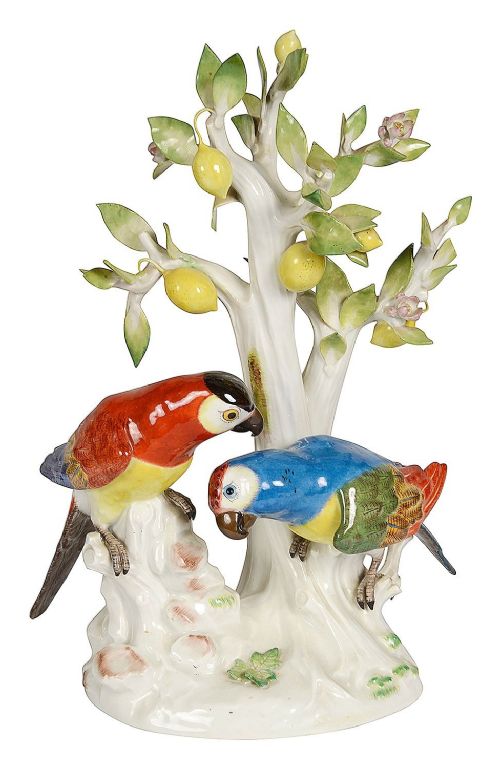
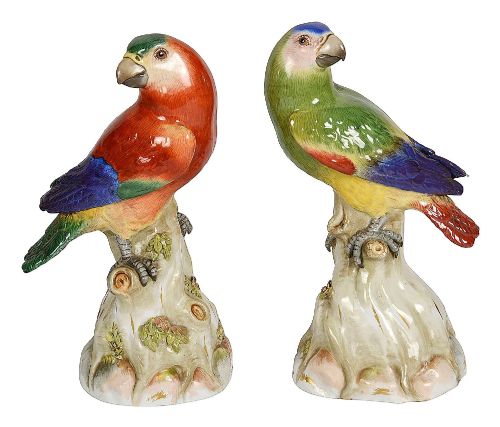
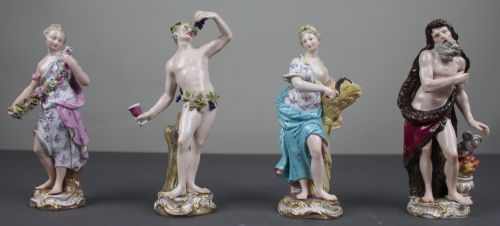
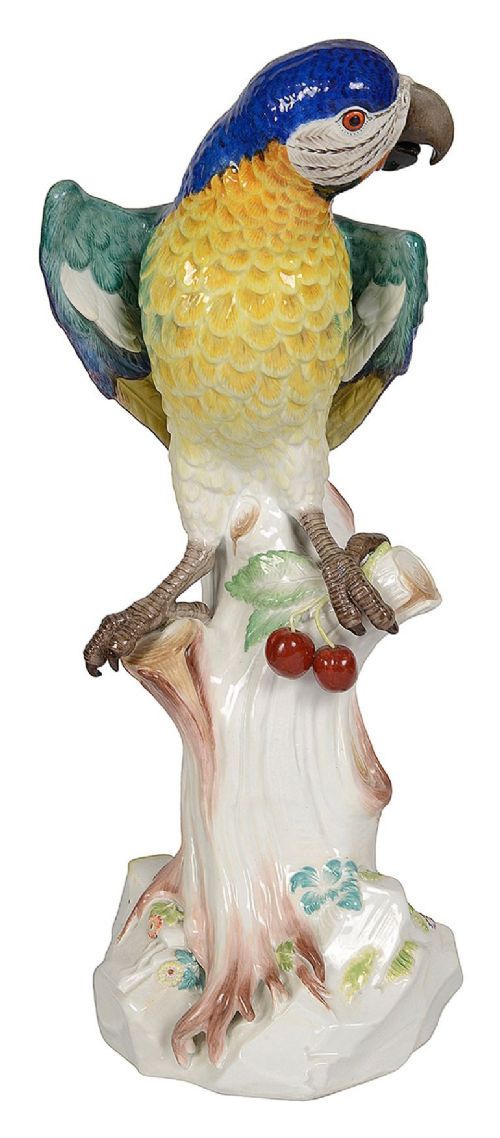
The objects take many forms, including allegorical sets representing the seasons or elements, pastoral figures with animals, and detailed bird models perched on tree trunks. Figures depicting historical personalities, literary characters, and traditional deities also appear frequently across the selection.
Origins span major European porcelain centres in Germany, England, and France, alongside Japanese Kutani, Arita, and Satsuma pieces, plus Chinese ceramic works. This mix provides varied interpretations of human and animal subjects rendered in clay and enamel.
What varies in quality
Quality depends upon the crispness of the modelling in the porcelain body and the precision of the hand-painted enamel decoration. Finer pieces display subtle facial expressions, cleanly defined fingers and drapery folds, and careful placement of gilt details without messy bleed into the surrounding glaze.
The sophistication of the kilning process and the artistic ambition of the originating factory or studio dictate the depth and vibrancy of the polychrome palette. Well-executed forms maintain structural stability and balanced proportions across complex sculptural groups and tall bird figures.
Listings feature eighteenth-century soft-paste figures alongside nineteenth-century hard-paste porcelain and earthenware pieces from European and Asian makers.
Meissen·Edme Sampson·Volkstedt Rudolstadt Factory·Royal Doulton·John Bevington·Makuzu Kozan II
The Polychrome Porcelain Ornaments Glossary
- Polychrome
- Decoration executed in multiple colours. This term describes ceramic surfaces painted with various enamel pigments rather than a single blue underglaze.
- Soft-paste porcelain
- An artificial porcelain composition fired at lower temperatures than hard-paste. It was widely developed in eighteenth-century European factories before true hard-paste formulae became universal.
- Enamel
- A vitreous composition fused to the surface of porcelain or metal by heat. Artisans apply these coloured glassy compounds over the glaze to achieve rich, detailed polychrome effects.
- Okimono
- A Japanese decorative sculpture designed for display on a shelf or in a tokonoma alcove. These carved or modelled figures frequently depict deities, historical figures, or animals from the Meiji period onward.
- Hard-paste porcelain
- A true porcelain made from kaolin and petuntse fired at high temperatures. It yields a dense, vitrified body that resists scratching and absorbs little moisture.
Polychrome Porcelain Ornaments: Frequently Asked Questions
What are polychrome porcelain ornaments?
Polychrome porcelain ornaments are glazed ceramic figures and sculptural objects painted in multiple enamel colours. They range from eighteenth-century European allegories to nineteenth-century animal studies and Asian ceramics.
These pieces served primarily as decorative items for mantelpieces and display cabinets. Their subjects span mythology, pastoral scenes, portraits, and traditional deities.
How do I identify eighteenth-century figures?
Eighteenth-century figures often display characteristic paste variations, early factory marks, and hand-modelled details distinct from later production methods. Examining the underside and the handling of the clay helps determine the likely period.
Early pieces frequently feature specific soft-paste or hard-paste bodies associated with factories like Meissen, Bow, or Derby. Stylistic cues such as rococo scrolls and early enamel palettes also aid dating.
Where were these porcelain ornaments made?
European pieces originated in notable porcelain centres across Germany, England, and France, including Meissen, Chelsea, and Derby. Other works hail from Japanese and Chinese kilns.
Regional differences in clay preparation, modelling style, and enamel application distinguish European factories from Asian production traditions such as Satsuma and Kutani wares.
How should I care for antique porcelain?
Antique porcelain requires gentle handling and placement away from direct sunlight and sudden temperature shifts. Dusting with a soft, dry brush keeps the enamel and gilt surfaces clean.
Avoid using harsh chemical cleaners or submerging pieces in water, particularly those with overglaze enamels or delicate applied flowers. Secure placement on stable surfaces prevents accidental tipping.