





Antique Porcelain Planters
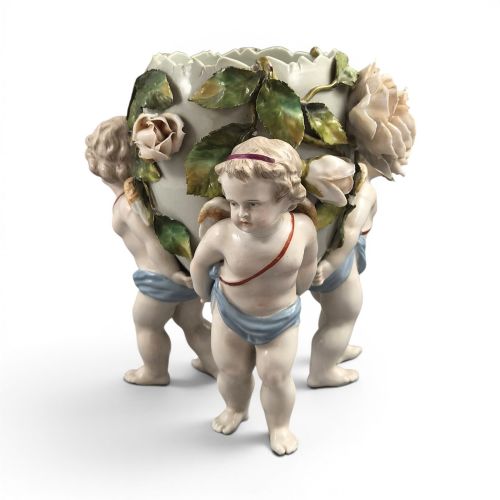
These antique porcelain planters bring indoor greenery and floral displays to life with centuries of painted detail and glazed ceramic form.
Antique Porcelain Planters
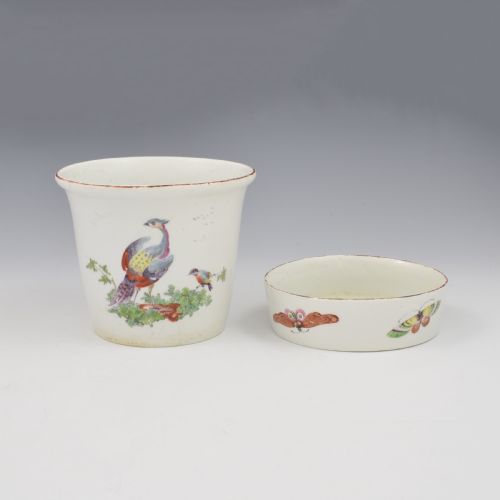
These pieces encompass vessels designed to hold plants and flowers inside the home, frequently catalogued as jardinières, cachepots, and bough pots. The selection spans robust nineteenth-century European pottery alongside eighteenth-century export wares from China and Japan.
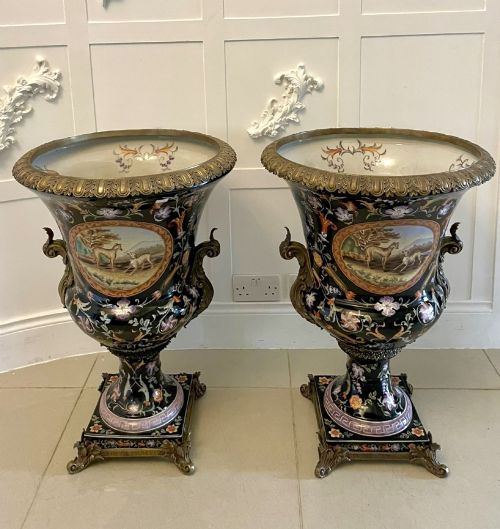
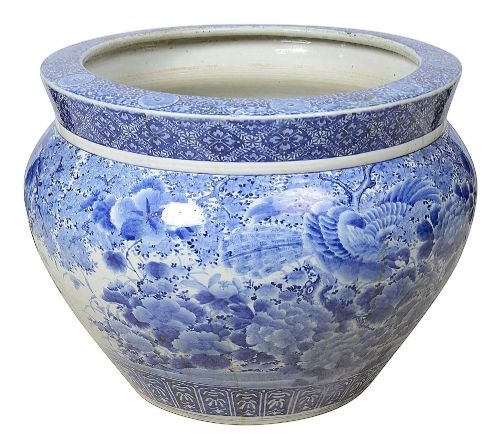
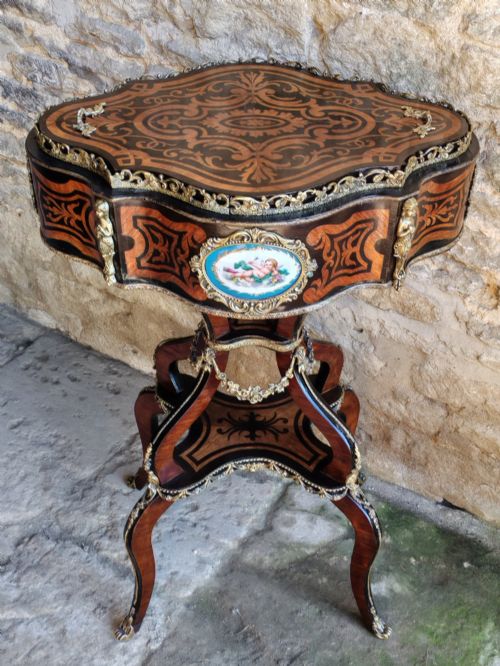
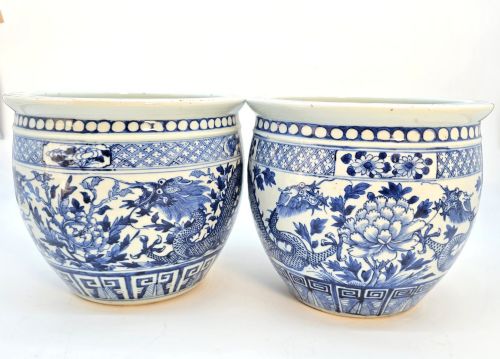
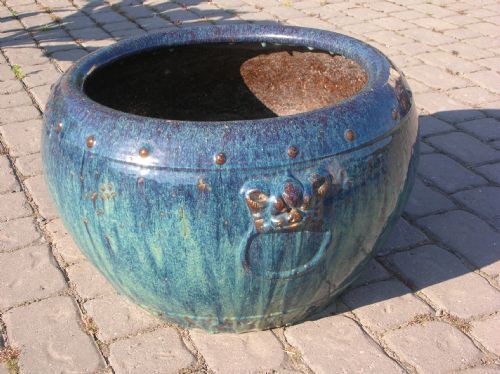
Buyers most commonly encounter nineteenth-century French and English vessels alongside blue and white Japanese Imari and Chinese fish bowls. Forms range from simple footed bowls to elaborate stands mounted with ormolu or resting on wood.
Originating as utilitarian vessels for horticulture, these planters evolved into decorative centrepieces for drawing rooms and reception spaces. They accommodate potted plants directly or serve as cachepots to conceal simpler plant pots.
How they were made
Potters shaped clay on the wheel or pressed it into moulds, applying white glazes that provided a smooth canvas for hand-painted or transfer-printed decoration. Kiln firing vitrified the ceramic body, rendering it durable enough to hold damp soil and water.
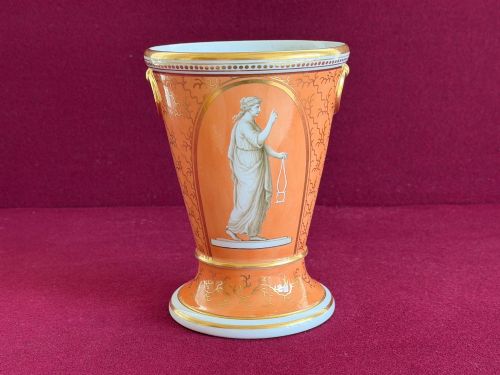
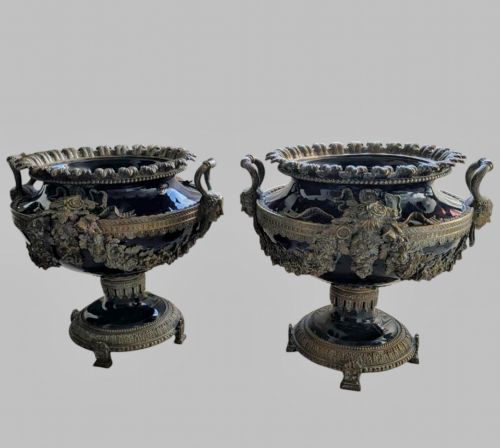
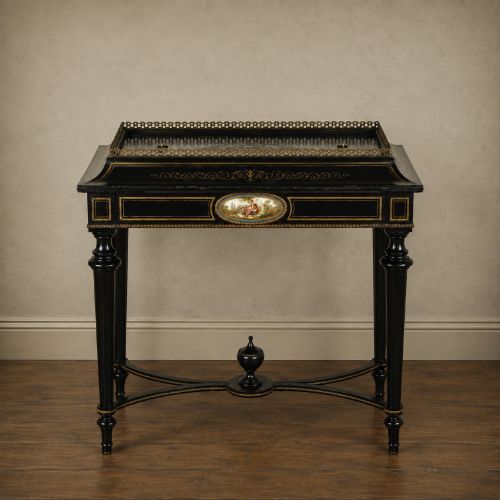
Many European and Asian pieces received supplementary embellishments such as gold leaf, enamel, and underglaze blue pigments. Workshops in France and England frequently mounted finished porcelain bodies into cast brass or ormolu frames.
Woodwork played a structural role in more complex furniture forms, incorporating kingwood, walnut, and marquetry inlay to support heavy ceramic plaques and planter bowls.
Some nineteenth-century models double as wine coolers, proving that Victorian household vessels were versatile enough to switch from foliage to champagne.
What varies in quality
The refinement of the painted decoration dictates the distinction between standard production and exceptional studio work. Crisp brushwork on hand-painted scenes or intricate famille rose enamel indicates superior craftsmanship compared to simpler transfer prints.
The integration of metal mounts reveals the overall ambition of the piece, with chased ormolu and heavy brass fittings marking out high-end makers. The weight and purity of the porcelain body further separate ordinary domestic pottery from exhibition-grade works.
Flight Barr Worcester·Royal Worcester·Royal Doulton·Sitzendorf Porcelain·Krister KPM Waldenburg
The Antique Porcelain Planters Glossary
- Jardiniere
- An ornamental pot or stand for holding plants or flowers. These vessels usually sit on tabletops or floor stands.
- Cachepot
- A decorative container used to conceal an ordinary flowerpot. The term translates from French as hiding pot.
- Ormolu
- Gilded bronze used for furniture mounts and decorative hardware. It adds metallic contrast to glazed ceramic bodies.
- Imari
- A style of Japanese export porcelain characterised by underglaze blue and iron red, often highlighted with gold. This aesthetic heavily influenced European ceramics.
- Famille Rose
- A palette of Chinese porcelain enamels featuring opaque pink or rose colours. The style developed during the Qing dynasty.
Antique Porcelain Planters: Frequently Asked Questions
How do I use an antique planter safely?
Place a smaller plastic pot with a drainage tray inside the ceramic vessel to catch excess water. This prevents moisture from sitting against porous antique interior walls.
Line the base with protective felt pads if the planter rests on polished wooden furniture to avoid scratching surfaces with unglazed foot rims.
Can I plant directly into these vessels?
Direct planting is generally discouraged because damp soil and lingering moisture can cause crazing or staining in older ceramic bodies. Most period pieces were intended to hold potted plants or cut floral arrangements.
Using a plastic liner preserves the interior glaze and prevents mineral salts from the soil from damaging the ceramic over time.
How do I date an antique porcelain planter?
Examine the base for factory marks, painter signatures, or impressed numbers that correspond to known registry dates and ceramic houses. Style indicators like Rococo Revival scrolls or Meiji period motifs also point to specific decades.
Inspect the manufacturing technique, as hand-thrown potting methods differ significantly from later mass-produced slip-cast items.
What is the difference between a jardiniere and a cachepot?
A jardiniere typically acts as a standalone ornamental vessel for plants or floral displays, sometimes resting on its own dedicated stand. These pieces are often larger and highly decorated for prominent display.
A cachepot is specifically sized to hide a plain utilitarian flowerpot sitting inside it, functioning purely as an outer decorative sleeve.