




Porcelain Figurines with Dog
Porcelain figurines with dog are modelled groups and single figures capturing human and canine companionship across Georgian, Victorian, and later periods.
Porcelain Figurines with Dog
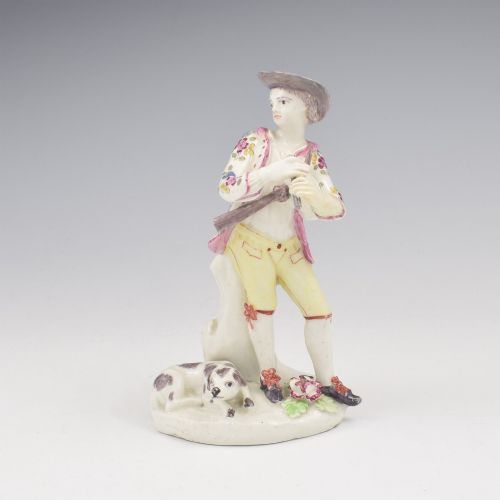
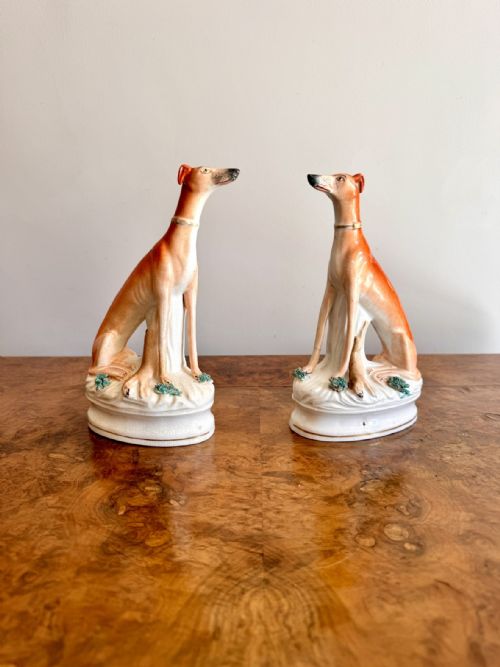
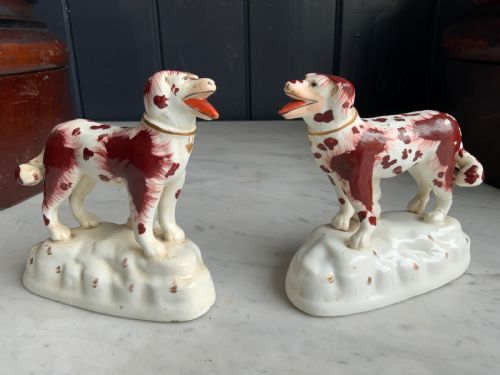
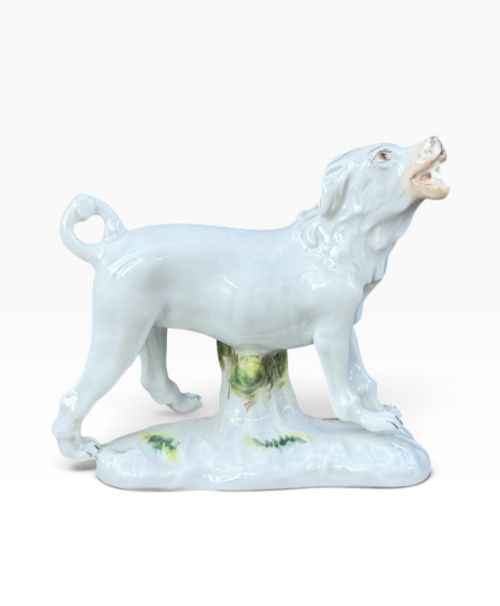
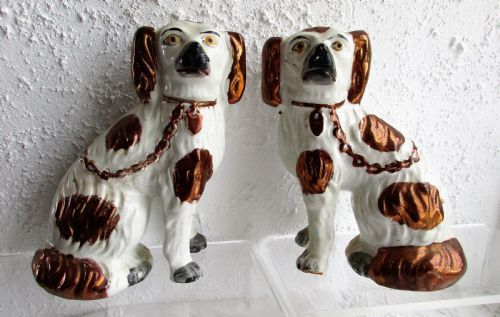
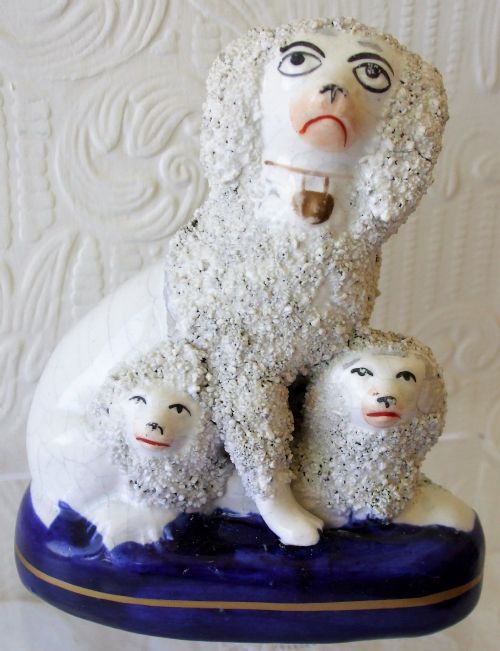
Porcelain figurines with dog encompass varied ceramic forms, from Georgian figures of bagpipers and hunting deities to Victorian Staffordshire spaniels and poodles. Buyers searching this phrase meet decorative sculptures, figure groups, and functional pieces such as quill holders.
The objects span multiple centuries and aesthetics, covering 18th-century soft-paste porcelain, Neoclassical and Rococo Revival models, and later Edwardian pottery. Figures range from small single hounds and pairs of poodles to elaborate multi-figure compositions with children and musicians.
How they were made
Pieces rely on ceramic bodies including hard-paste porcelain, soft-paste porcelain, and earthenware, shaped into figurative forms through moulding and hand-modelling. Surface enrichment involves applied glaze, enamel paint, and occasional gold leaf detail.
Staffordshire productions utilise earthenware with underglaze and overglaze paint, alongside tactile surface elements like encrusting. European factories employ fine porcelain compositions finished with detailed painting.
Porcelain Figurines with Dog Retail Price Guide 2026
Typical asking prices for porcelain figurines with dog among the pieces listed under this phrase on Sellingantiques today, from the lower quarter to the upper quarter. They describe what is for sale here now, not the wider market.
Listings feature ceramics from the 18th Century through to the Edwardian period, utilising porcelain, earthenware, and Parian ware.
What varies in quality
The sophistication of the composition dictates distinction, separating mass-produced decorative groups from pieces with finer sculptural presence. Colour application and glaze consistency further define the standard of execution across different periods.
Derby·Meissen·Royal Capodimonte Factory·Royal Dux
The Porcelain Figurines with Dog Glossary
- Soft-paste porcelain
- A ceramic material fired at lower temperatures than hard-paste, common in early English figures. It possesses a warm, slightly softer vitreous body.
- Enamel
- A glass-like substance fused to the ceramic surface during firing to provide durable colour. It creates the bright surface patterns seen on figures and clothing.
- Gold leaf
- Extremely thin gold beaten into sheets and applied for decorative highlights. It brings metallic sheen to details like trim and accessories.
- Quill holder
- A desk accessory featuring an integrated receptacle for writing quills. These functional ceramic figures combine utility with animal or human sculptural forms.
- Encrusting
- Applied ceramic clay formed into small decorative elements such as flowers or foliage across the base or body. This technique adds texture and depth to Victorian Staffordshire pieces.
Porcelain Figurines with Dog: Frequently Asked Questions
How do I date these figures?
Dating relies on stylistic clues, materials such as soft-paste porcelain or earthenware, and factory marks where present. Comparing the modelling conventions of periods like the Georgian era or Victorian era helps place a piece.
Changes in glaze and painting techniques also guide chronological placement. Examining the base and construction methods reveals further clues to a figure's age.
Were these figures meant for display?
Most porcelain figurines with dog served as decorative ornaments for mantelpieces, tables, and cabinets in homes. They reflected the owner's taste and status through popular domestic or pastoral subjects.
Some variations, such as quill holders, combined decorative display with practical desk use. Both functional and purely sculptural types formed part of domestic interior decoration.
What is Parian ware?
Parian ware is a fine white ceramic material developed in the nineteenth century to imitate carved marble. It produces unglazed biscuit figures with a smooth, matte finish.
This body type highlights sculptural detail without the distraction of bright glaze or paint. It appears in figure groups and busts from the Victorian period.
Why are dogs featured with humans?
Dogs symbolised loyalty, companionship, and status in portraiture and sculpture across centuries. Including them in figurative groups added narrative depth and emotional resonance.
Working dogs also referenced hunting, leisure, and rural life depending on the specific scene. Staffordshire and continental figures used these associations to tell familiar visual stories.