




Blue Glazed Porcelain Figures
Blue glazed porcelain figures bring rich cobalt tones and ceramic modelling together, offering character and colour for interior display.
Blue Glazed Porcelain Figures
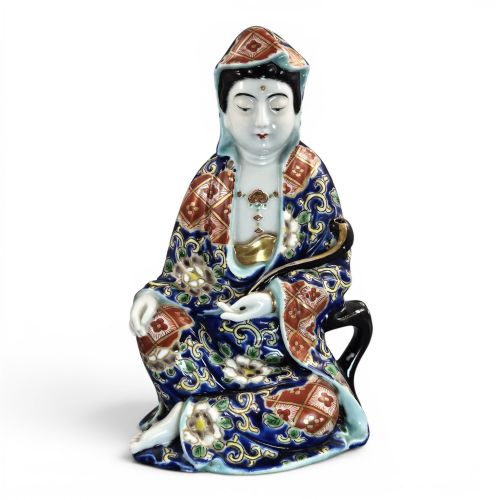
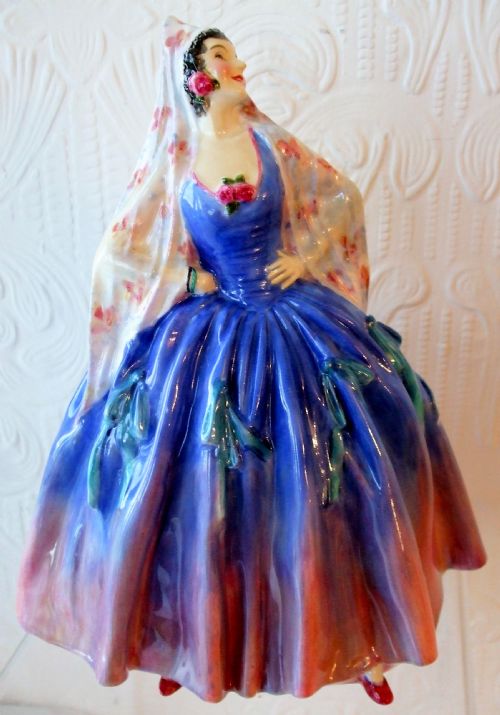
When you search for blue glazed porcelain figures, you encounter a varied selection of ceramic sculptural works spanning the eighteenth century through to the mid twentieth century. These objects include figurines, portrait figures, and figural groups originating from European factories and Asian kilns alike.
The pieces you meet most often on this page range from Victorian Staffordshire productions and continental porcelain groups to Japanese Satsuma and Chinese Qing Dynasty figures. Alongside traditional figurines, the selection incorporates related forms such as vases, bowls, and baskets featuring cobalt glaze and enamel detailing.
Materials and production methods
Makers utilised porcelain, earthenware, and bone china as the primary ceramic bodies for shaping these figures. Artisans applied cobalt glaze and enamel to create deep blue coloration and surface decoration across the pieces.
Techniques such as moriage work and the application of gold leaf provided raised relief details and gilt accents. Potters fired the clay bodies and mineral glazes together in kilns to achieve durable finishes.
Blue Glazed Porcelain Figures Retail Price Guide 2026
Typical asking prices for blue glazed porcelain figures among the pieces listed under this phrase on Sellingantiques today, from the lower quarter to the upper quarter. They describe what is for sale here now, not the wider market.
The inventory includes items from the 18th Century, 19th Century, Victorian period, and early 20th Century.
Evaluating quality and execution
The standard of modelling in the clay body defines the upper tiers of production, where facial expressions and drapery folds show sharp definition. Smoother glaze application and precise hand-painted enamel work distinguish finer examples from simpler commercial output.
The crispness of moulded details and the preservation of delicate elements like gold leaf or raised moriage indicate the care taken during manufacture. Pieces that retain clear factory marks or signatures demonstrate documented provenance.
Meissen·Royal Doulton·Vion et Baury·Kinkozan Kyoto·Royal Capodimonte Factory
The Blue Glazed Porcelain Figures Glossary
- Cobalt glaze
- A blue ceramic pigment applied under or over the glaze and fired at high temperatures. It produces the deep rich blue seen on porcelain and pottery surfaces.
- Moriage
- A Japanese decorating technique where slip is piped onto ceramics to create raised relief patterns. This method often appears on Satsuma wares alongside gilding.
- Enamel
- Opaque glass-like paint applied over a fired glaze and fixed with a secondary low-temperature firing. It provides vibrant colours on porcelain figures.
- Bone china
- A type of soft-paste porcelain containing bone ash for added strength and translucency. English factories utilised this material for refined figurines.
- Qing Dynasty
- The final imperial dynasty of China, lasting from 1644 until 1912. Figures and vessels from this era frequently employ turquoise and cobalt glazes.
Blue Glazed Porcelain Figures: Frequently Asked Questions
What periods do these figures come from?
The listings span several centuries, with examples originating from the eighteenth, nineteenth, and early twentieth centuries. You will find Victorian pieces alongside earlier Qing Dynasty works and Edwardian productions.
Production dates reflect both European factories and Asian kilns, capturing distinct aesthetic movements such as Art Deco and the Meiji period.
How are cobalt glazes used on ceramics?
Cobalt provides a stable blue colour that withstands high kiln temperatures without fading. Artisans apply it directly to the ceramic body or over a white glaze before firing.
This oxide creates the deep blue grounds seen on vases, bowls, and figural bases across various continental and Asian traditions.
What is the difference between porcelain and earthenware?
Porcelain is a dense, vitrified ceramic fired at extremely high temperatures until non-porous and ringing when struck. Earthenware uses coarser clay fired at lower temperatures, remaining slightly porous unless fully glazed.
Staffordshire figures often utilise earthenware bodies, whereas Meissen and Royal Doulton productions typically employ fine porcelain or bone china.
How do I display these figures at home?
These ceramic figures suit tabletops, mantelpieces, and enclosed cabinets where adequate lighting highlights their glazes and hand-painted details. Pairing them with complementary vessels enhances a room's decorative scheme.
Ensure stability on flat surfaces and keep them away from areas with high foot traffic to protect delicate extremities and gilt highlights.