




18th Century Style Figurine
These 18th century style figurine pieces bring character and historic charm to a room, offering craftsmanship that captures earlier European aesthetics.
18th Century Style Figurine
When you search for an 18th century style figurine, you encounter sculptural works that channel the ornamental tastes of the Georgian, Rococo, and Neoclassical periods. These items range from porcelain representations of dancers and gardeners to carved wood figures of royalty.
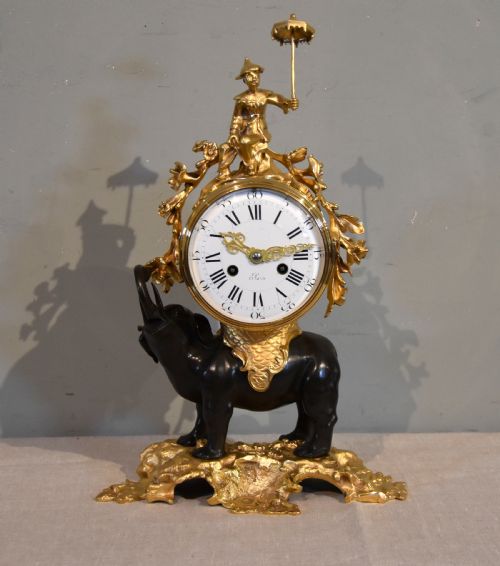
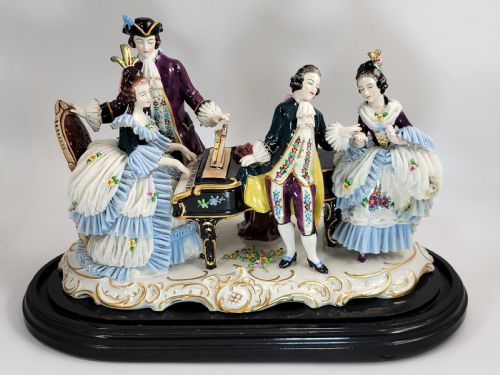
The selections available here include porcelain and wooden examples spanning several centuries, including authentic pieces alongside later revivals. You meet German porcelain works, French bronze mantel clocks, and carved folk art pieces.
Makers and factories from Meissen, Ernst Bohne Söhne, Derby, and Royal Capodimonte shape this category. They provide decorative sculptures, mantel clocks, and allegorical groups symbolising seasons like Autumn.
How they were made
Makers utilised hard-paste porcelain and enamel, applying hand-painted polychrome decoration to ceramic surfaces. Sculptors also carved polychrome wood to create figures of kings and queens.
Metalworkers combined patinated bronze and ormolu with gold leaf and gold gilt to construct decorative mounts and architectural mantel clocks. Delicate details such as lace relief work required precise manual skill during firing and assembly.
Listings feature hard-paste porcelain, patinated bronze, and polychrome wood across the 18th, 19th, and early 20th centuries.
What varies in quality
The distinction between tiers rests upon the fineness of the hand-painted detailing and the crispness of the modelling in porcelain or carved wood. Superior examples display subtle facial expressions and carefully executed polychrome pigments.
Quality also depends on the integration of secondary materials like ormolu mounts on bronze clocks or the intricacy achieved in porcelain lace group settings. Pieces produced by established factories generally exhibit higher refinement than anonymous works.
Meissen·Ernst Bohne Söhne·Royal Capodimonte Factory·Derby·Frankenthal
The 18th Century Style Figurine Glossary
- Ormolu
- Gilded bronze, where a gold-mercury amalgam is applied to a bronze base, commonly found on French mantel clocks. This technique creates a rich metallic sheen.
- Hard-Paste Porcelain
- A dense ceramic material composed of kaolin and petuntse, fired at high temperatures. It forms the durable body of many European figurines.
- Rococo
- An artistic style characterised by ornate curves, asymmetry, and naturalistic motifs, prominent during the eighteenth century and later revived. It influences the dynamic poses of many figurines.
- Neoclassical
- A style drawing inspiration from the classical art and culture of ancient Greece and Rome. It appears in the restrained drapery and formal composition of certain sculptural pieces.
18th Century Style Figurine: Frequently Asked Questions
What materials make up these figurines?
These decorative objects consist primarily of hard-paste porcelain, enamel, and carved wood, supplemented by metal elements.
Craftsists also employed patinated bronze, ormolu, gold leaf, and gold gilt to finish mounts and clock housings.
How do I distinguish between periods?
Dating relies on stylistic clues, factory marks, and the specific handling of materials like porcelain bodies and bronze castings.
Pieces range from eighteenth-century originals to nineteenth-century Rococo Revival works and early twentieth-century interpretations.
Where were these pieces produced?
Manufacturing centres were primarily located in Germany, France, and Britain, associated with notable porcelain houses and workshops.
German factories like Meissen and Frankenthal, alongside French bronze workers and British potteries such as Derby, created these sculptural forms.
What subjects do these figures represent?
Subjects include human figures engaged in daily or courtly activities, such as dancers, gardeners, and harvesters, alongside allegorical figures.
Examples also feature royalty, cherubs, and animals integrated into larger decorative groups or clock cases.
How should I display them at home?
These works suit placement on mantelpieces, display cabinets, or dedicated tables where their detailed craftsmanship remains visible.
Pairing porcelain figures with compatible decorative clocks or bronze sculptures enhances an interior period aesthetic.