




Polychrome Porcelain Centrepiece
A polychrome porcelain centrepiece brings layered enamel painting and sculptural form to the table, uniting 18th-century European kilns and Asian export houses.
Polychrome Porcelain Centrepiece
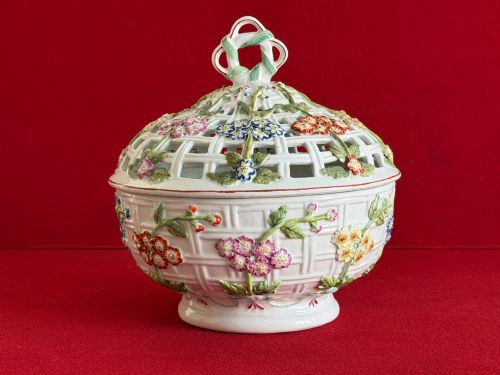
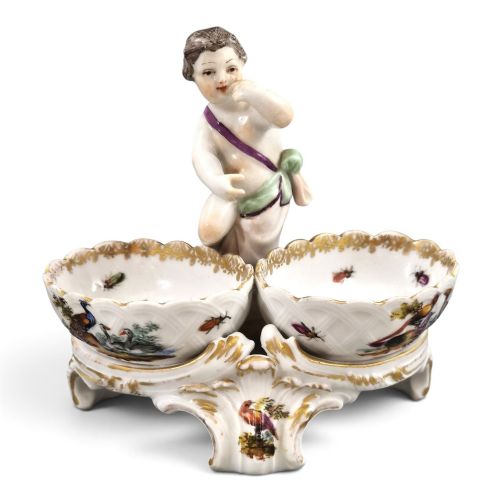
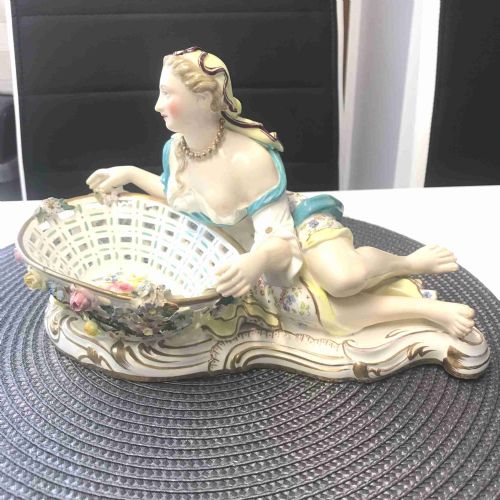
A polychrome porcelain centrepiece serves as a dramatic tablescape focal point, spanning decorative bowls, figural baskets, and elaborate sweetmeat stands. These pieces range from Georgian Worcester shell dishes to 19th-century German figural compositions featuring putti and applied roses.
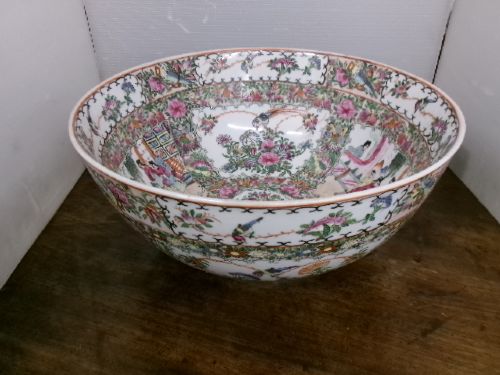
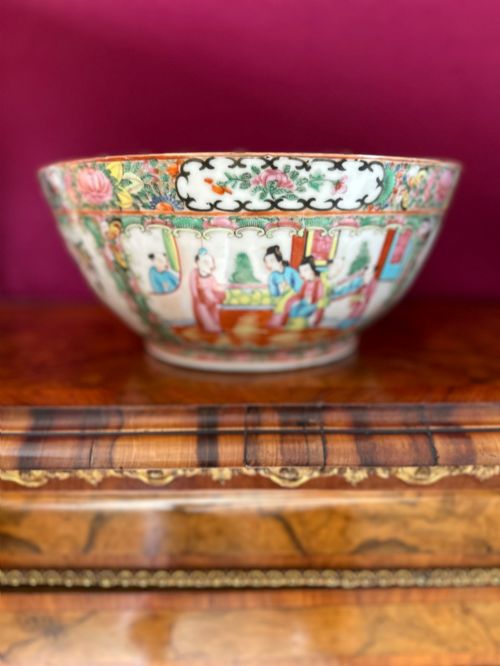
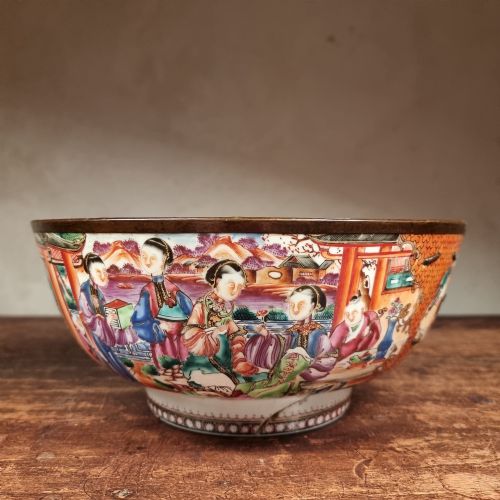
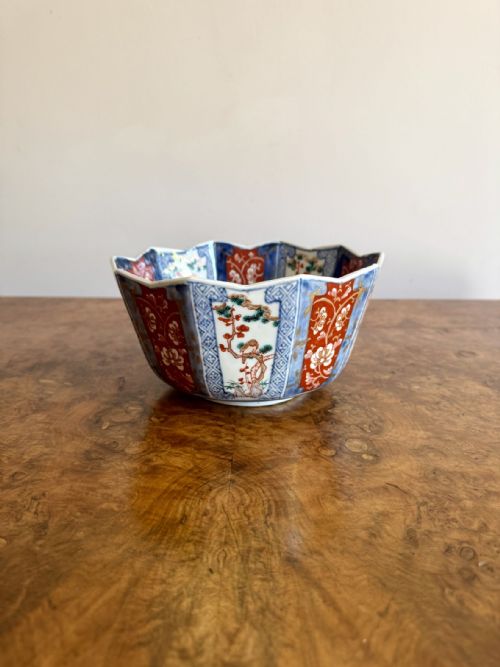
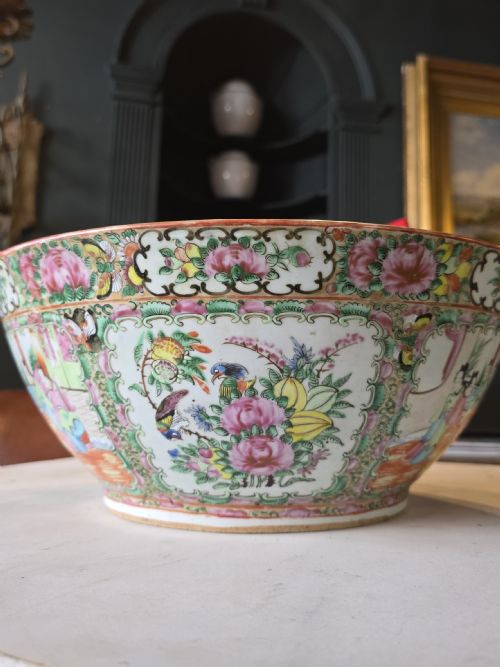
Asian export porcelain contributes heavily to this category, encompassing Chinese Canton and Japanese Imari bowls decorated in vibrant palettes. European factories such as Meissen, Derby, and KPM also shape the selection through elaborate figural and basketry designs.
The objects date primarily from the 18th and 19th centuries, capturing both neoclassical delicacy and exuberant Victorian revivalism. Buyers encounter diverse forms, including punch bowls, salt cellars, and tiered stands intended originally for elite dining.
Materials and technique
Potters shaped these objects using hard-paste and soft-paste porcelain, earthenware, and ironstone bodies, often incorporating applied elements like modelled flowers and fruit. Artisans then applied intricate hand-painted enamel designs, occasionally highlighted with gold leaf and gilt detailing.
Glaze seals the ceramic body beneath smooth surfaces, while specialised kilns set complex polychrome palettes ranging from Famille Rose pinks to deep underglaze blues. Many larger centrepieces combine moulded structural bases with delicate, hand-pierced galleries or modelled figures.
The inventory spans the 18th century, the Georgian era, the Victorian period, and the Meiji period.
Assessing the execution
The sophistication of the kiln firing and the preservation of original gilding distinguish superior examples from standard production. Factory marks and attribution to established houses like Meissen or Worcester further influence the standing of an individual centrepiece.
Derby Porcelain·KPM Berlin·Meissen·Worcester·Minton·Mason's Ironstone·Carl Thieme Dresden
The Polychrome Porcelain Centrepiece Glossary
- Polychrome
- Decorated in multiple colours. This technique relies on various enamel pigments fired onto the glazed porcelain surface.
- Sweetmeat
- A small confection or sweet delicacy. Sweetmeat dishes and stands held these treats on formal dining tables.
- Imari
- A style of Japanese export porcelain characterised by underglaze blue, iron red, and gold. These wares were widely produced during the Edo and Meiji periods.
- Putto
- A figure of a small chubby boy, often winged, appearing frequently in 19th-century European figural centrepieces.
Polychrome Porcelain Centrepiece: Frequently Asked Questions
What is a polychrome porcelain centrepiece?
A polychrome porcelain centrepiece is a decorative ceramic object designed to anchor a formal table setting. These items include large bowls, figural baskets, and tiered stands decorated with multi-coloured hand-painted enamels.
Originating largely from European factories and Asian export kilns, they combine sculptural modelling with vibrant surface decoration from the 18th and 19th centuries.
How were these centrepieces used historically?
Historically, dining tables featured elaborate tableaus of sweets, fruits, or decorative displays during formal meals. Centrepieces held sweetmeats, nuts, or floral arrangements to impress dining guests.
As dining habits changed, these vessels transitioned into purely decorative interior objects displayed on sideboards and mantelpieces.
How do I distinguish 18th-century pieces from 19th-century revivals?
Distinguishing periods involves examining the paste, the composition of the glazes, and the style of the hand-painted enamel work. Eighteenth-century pieces often exhibit softer body textures and specific factory potting characteristics.
Nineteenth-century revival pieces tend to feature heavier moulding, brighter chemical enamel colours, and industrial factory marks characteristic of the Victorian era.
How should I care for an antique porcelain centrepiece?
Antique porcelain requires gentle handling, avoiding abrasive cleaners or harsh scrubbing that can damage delicate hand-painted enamels and gold gilt. Dusting with a soft, dry brush preserves fragile applied elements like modelled flowers and putti.
Display the piece away from direct sunlight and high-traffic areas to protect vulnerable protrusions from accidental impacts.