




German Porcelain Bowl
German porcelain bowl pieces deliver the weight and painterly polish of European kilns, bringing sculptural form and historic glaze work directly to the table.
German Porcelain Bowl
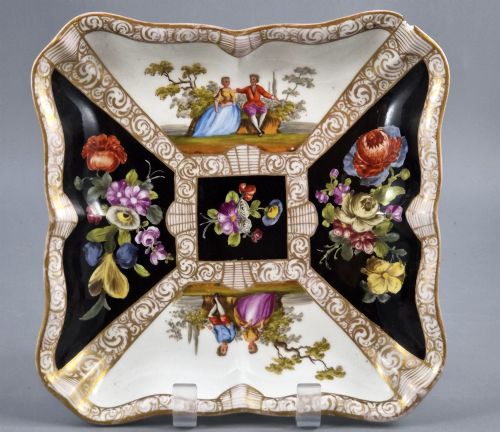
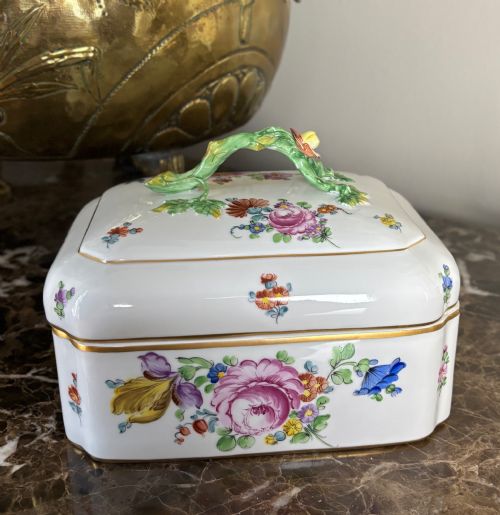
A german porcelain bowl encompasses everything from eighteenth-century table salt holders and sweetmeat baskets to nineteenth-century centrepieces, potpourri lidded vessels, and twentieth-century art deco powder boxes. You will frequently encounter nineteenth-century production alongside earlier eighteenth-century items and later pieces from the nineteen-thirties.
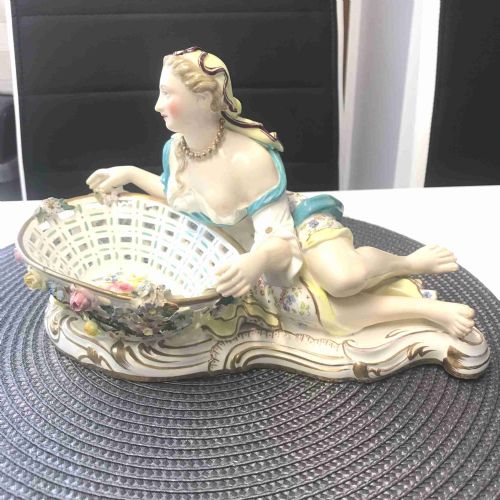
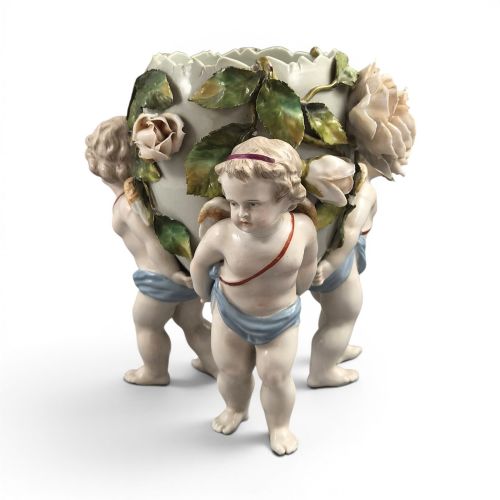
The objects range in scale from small trinket boxes and dessert dishes to large comports and figural centrepieces embellished with cherubs, putti, and floral motifs. Styles shift across these periods from elaborate rococo and rococo revival to clean art deco geometries.
Makers and regional factories from Saxony, Bavaria, and Thuringia dominate the selection, offering hand-painted scenes, gilt flowers, and applied roses. Collectors select these vessels for their combination of utilitarian form and detailed sculptural ornament.
Materials and production techniques
Makers relied primarily on hard-paste porcelain fired at high temperatures to achieve a dense, durable white body suitable for intricate modelling and glaze adherence. Artisans then applied enamel paints by hand, rendering botanical bouquets, birds, and figural scenes directly onto the surface.
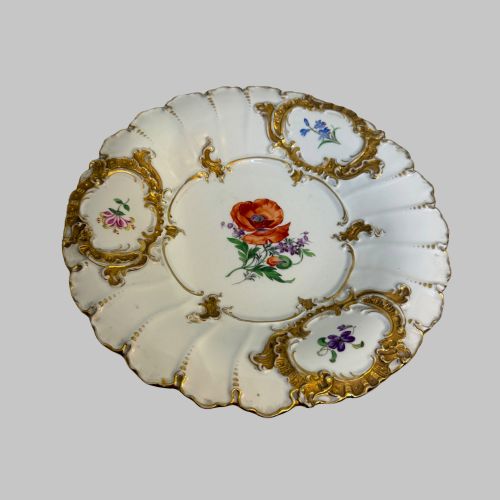
Gilding, gold leaf, and gilt accents were frequently added to rims and moulded scrollwork, often requiring a secondary firing to bond the precious metal. Potters also built up complex three-dimensional elements like applied roses and putti by hand before glazing and firing.
Listings span hard-paste porcelain items from the eighteenth century through the art deco period, featuring enamel paint, gold leaf, and gilt finishes.
Evaluating quality and execution
The ambition of the form also dictates standing, moving from simple circular dishes to large, heavily modelled centrepieces featuring multiple putti and intricate openwork baskets. Pieces that retain clear factory marks and well-preserved gilt grounds demonstrate superior original craftsmanship.
Meissen·Dresden·Sitzendorf·Paul Müller Selb·C.G. Schierholz and Sohn·Volkstedt
The German Porcelain Bowl Glossary
- Hard-paste porcelain
- A dense ceramic material composed of kaolin and petuntse fired at very high temperatures. It provides the durable, vitreous body characteristic of historic European tableware.
- Centrepiece
- A large decorative vessel or figural arrangement placed in the middle of a dining table. These pieces often incorporate elaborate stands, bowls, and putti.
- Sweetmeat dish
- A small vessel designed for serving confectionery, nuts, or small delicacies during formal meals. They frequently take figurative or basket-moulded forms.
- Potpourri
- A lidded bowl pierced with holes to release the scent of dried flower petals and spices placed inside. The exterior is typically decorated with hand-painted floral motifs.
- Gilt
- A thin layer of gold applied to the porcelain surface for decorative effect. It highlights moulded scrolls, rims, and figural details.
German Porcelain Bowl: Frequently Asked Questions
How do I date a german porcelain bowl?
Dating relies on examining the factory marks on the underside, stylistic indicators like rococo revival versus art deco geometry, and the nature of the hand-painting. Eighteenth-century examples typically feature different paste characteristics and hand-applied pigments compared to nineteenth-century or nineteen-thirties pieces.
Changes in moulding techniques and the evolution of floral or figural styles also help narrow down the production era. Comparing the piece to documented factory output provides further chronological clarity.
What were sweetmeat dishes used for?
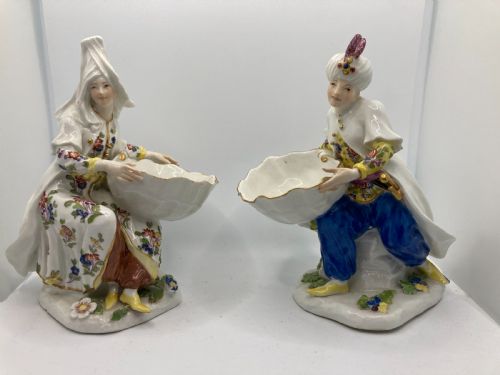
Sweetmeat dishes held small sugary confections, dried fruits, nuts, or spiced treats served at the conclusion of a formal meal. Their small scale and ornate design made them decorative talking points on the dining table.
Guests would help themselves to the contents during dessert courses. These vessels often took playful shapes, including figures holding baskets or shells.
Are centrepieces functional or purely decorative?
While large centrepieces and comports were historically used to serve fruit, sweetmeats, or flowers during grand dinners, their elaborate figural modelling also served as sculptural room ornamentation. Many pieces combine a usable bowl with complex architectural or figural supports.
In modern settings, they function primarily as decorative focal points on sideboards, tables, or cabinets. Their size and fragile applied details make them less suited for daily serving.
How should I clean my porcelain bowl?
Cleaning requires gentle dusting with a soft, dry brush to remove surface debris without harming delicate applied flowers or gilt surfaces. Avoid harsh abrasives, soaking, or mechanical dishwashers which can strip enamel and gold leaf.
If washing is necessary, use lukewarm water with a mild, neutral soap and dry immediately with a soft cloth. Take special care around protruding fingers, wings, and floral petals.