


Georgian Porcelain Centrepiece
A georgian porcelain centrepiece brings formal dining tables of the eighteenth and nineteenth centuries to life with painted porcelain, intricate basketry and gilt detail.
Georgian Porcelain Centrepiece
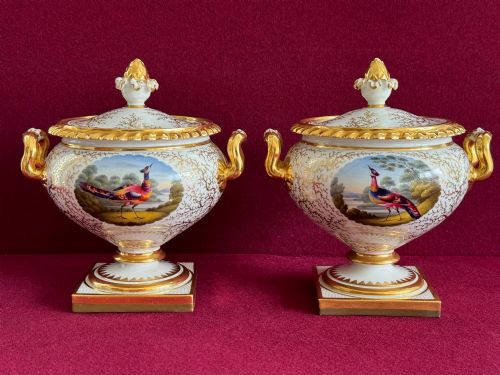
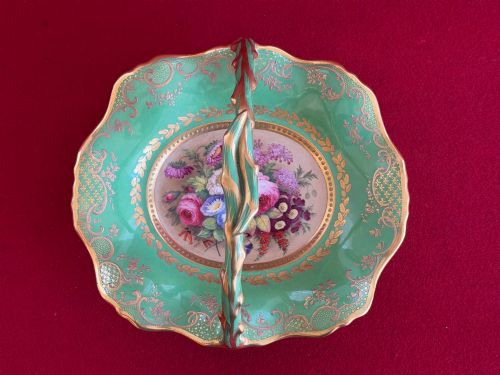
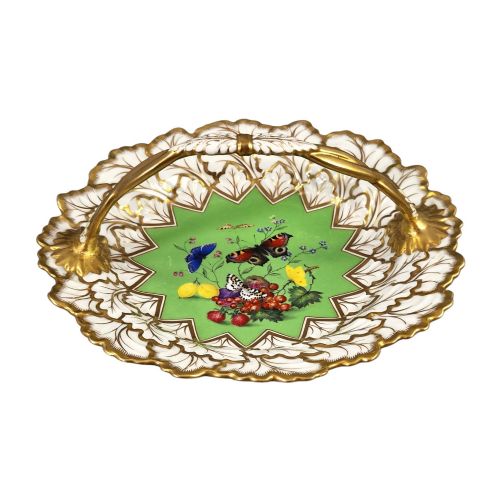
When you search for a georgian porcelain centrepiece, you encounter an array of comports, tureens, dessert dishes, sweetmeat stands and baskets designed to anchor a formal tablescape. These vessels range from early soft-paste porcelain baskets and shell centrepieces to late ironstone comports and large dessert serving dishes.
The objects on this page bridge the eighteenth century and the Regency period, encompassing works from factories like Derby, Worcester, Mason's, Minton, Ridgway and Coalport, alongside Continental porcelain punch bowls. Forms vary from circular pierced baskets and shell-shaped stands to supper sets on lazy susans and footed comports decorated with titled landscapes.
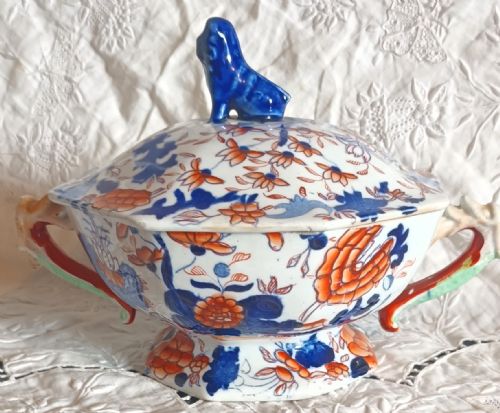
Buyers meet both delicate soft-paste porcelain from the 1700s and robust ironstone or earthenware pieces from the nineteenth century. Each piece reflects the shifting tastes of the Georgian era, moving from intricate rococo basket weaves to bold Japan patterns and green mandarin designs.
Materials and manufacture
Potters built these vessels using porcelain, soft-paste porcelain, earthenware and ironstone, shaping them through moulding, throwing and hand-piercing. Soft-paste bodies predominated in the eighteenth century, while sturdier ironstone and refined porcelain bodies gained preference by the Regency period.
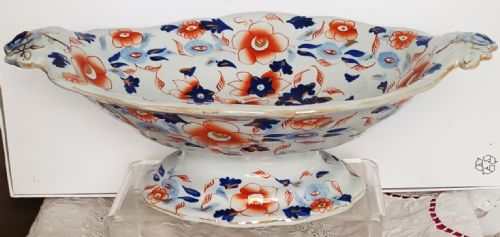
Decoration relied on hand-painting, enamel colours, transfer printing and applied gilding. Factories like Worcester and Derby utilised meticulous enamel painting for landscapes and florals, while Mason's and Ridgway applied rich gilding and vibrant patterns such as the Japan pattern to ironstone.
Assessing quality
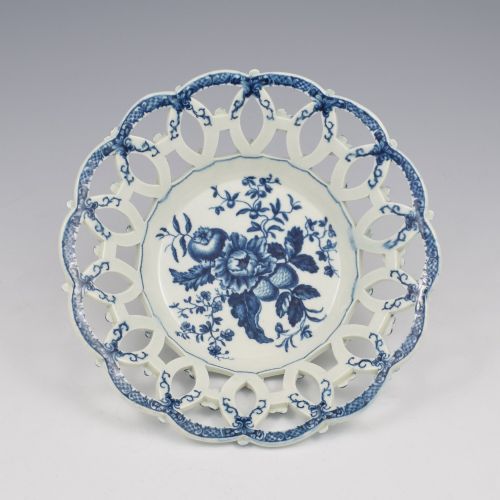
Quality rests in the crispness of the moulding and the delicacy of the pierced work, particularly on baskets, shell stands and galleries. Fineness of detail in the hand-painted enamels and the precision of the gilding separate standard production from exceptional factory output.
The integrity of the body and the survival of delicate components, such as pierced handles, covers and fitted stands, dictate the standing of a piece within its period. Early soft-paste pieces demonstrate a different tactile weight and translucency compared to later ironstone and hard-paste wares.
Flight, Barr & Barr Worcester·Derby Porcelain·Mason's Ironstone·Minton Porcelain·Ridgway Porcelain·Coalport Porcelain
The Georgian Porcelain Centrepiece Glossary
- Comport
- A footed dish or bowl raised above the table surface, used for serving fruit or sweets as part of a dessert service.
- Soft-paste porcelain
- An artificial porcelain mixture fired at lower temperatures than hard-paste, common in eighteenth-century English factories for its warm glaze and creamy body.
- Sweetmeat stand
- A small tiered or partitioned vessel designed for holding small confections, nuts or dried fruits during formal dining.
- Ironstone
- A dense, durable type of earthenware patented in the nineteenth century that combined the qualities of pottery and porcelain.
- Japan pattern
- A decorative style inspired by Imari porcelains, typically featuring a palette of iron red, cobalt blue and rich gilding.
- Pierced gallery
- An openwork trellis or pierced border encircling the rim of a basket, bowl or punch bowl.
Georgian Porcelain Centrepiece: Frequently Asked Questions
What is a georgian porcelain centrepiece used for?
These pieces served as the visual focal point of the table during the dessert course of a formal meal. They held fruits, sweetmeats, punches or custards to entertain guests.
Over time, their role shifted from functional dining vessels to decorative cabinet pieces displayed on sideboards and tables.
How do I date a georgian porcelain centrepiece?
Dating relies on identifying factory marks, paste composition, and stylistic shifts between the eighteenth century and the Regency period. Soft-paste bodies and rococo details typically point to earlier eighteenth-century manufacture.
Later Regency pieces often utilise ironstone, sharper moulding techniques, and bolder neoclassical or Japan patterns associated with nineteenth-century production.
How do I care for soft-paste porcelain?
Soft-paste porcelain requires gentle handling and should be washed by hand in warm water using mild soap, avoiding harsh scrubbing or dishwashers. Enamels and gilt details on these pieces can wear if exposed to abrasive cleaners or prolonged soaking.
Display them away from direct sunlight and sudden temperature shifts to protect the glaze and the structural integrity of the ceramic body.
What is the difference between porcelain and ironstone?
Porcelain is a vitrified ceramic material known for its translucency, fine grain and smooth glaze, often associated with delicate eighteenth-century forms. Ironstone is a heavy, opaque earthenware developed in the nineteenth century for superior strength and durability.
While porcelain allowed for intricate piercing and translucent shell forms, ironstone provided a robust surface suited to heavy daily use and vibrant coloured patterns.