




Orange Porcelain Bowl
When you search for an orange porcelain bowl, you enter a sphere of Japanese Imari wares, English lustre pottery and Chinese export pieces shaped by centuries of firing tradition.
Orange Porcelain Bowl
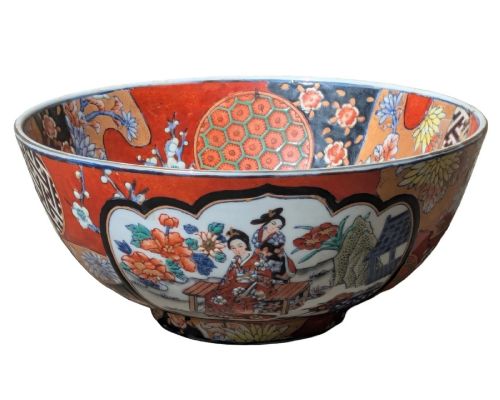
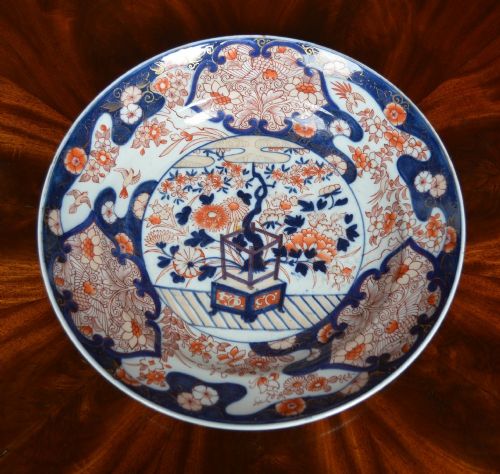
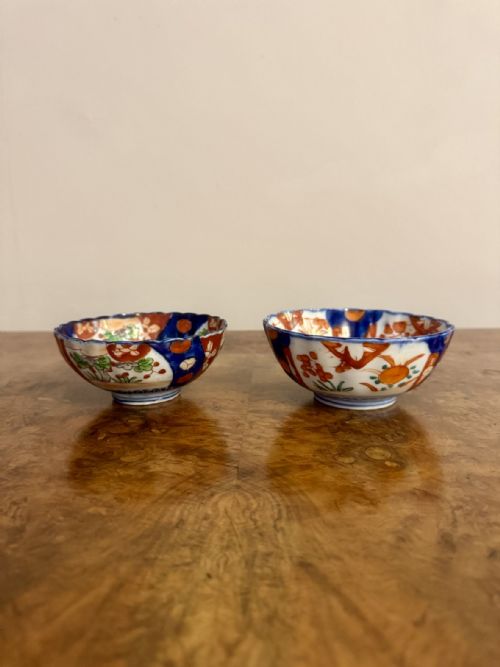
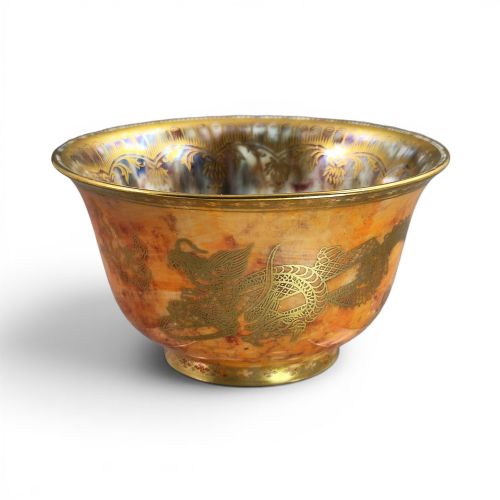
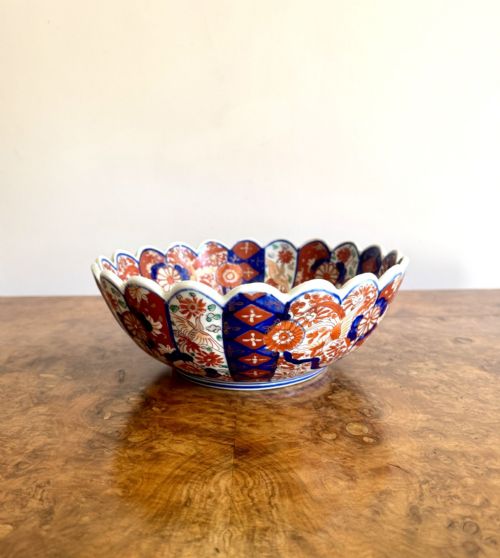
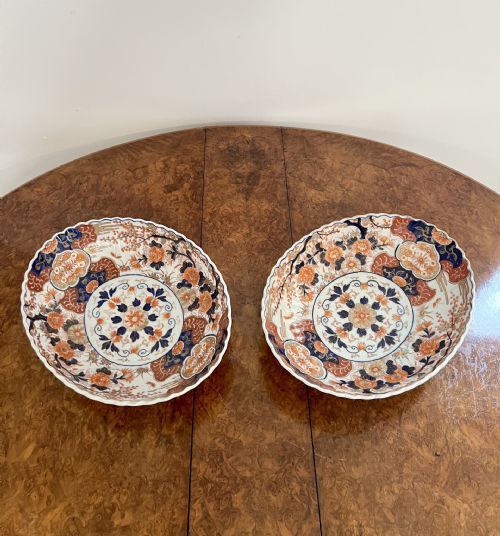
An orange porcelain bowl brings together diverse traditions, from the deep iron-red and cobalt tones of Japanese Imari output to the vibrant mottled orange lustre work of the early twentieth century. Buyers seeking an orange porcelain bowl often encounter Japanese vessels dating from the Meiji and Showa periods alongside English bone china and ironstone forms.
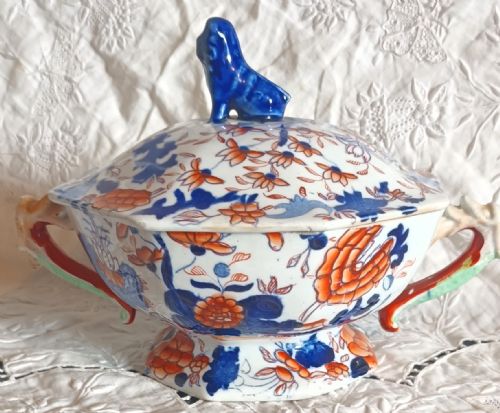
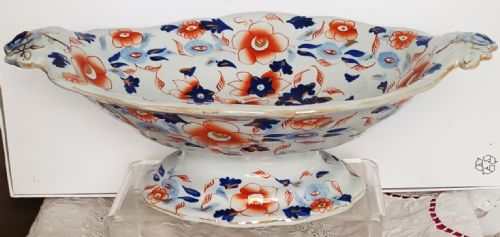
The selection ranges from large jardiniere and footed comports to delicate miniature bowls and octagonal dishes. Pieces from the eighteenth and nineteenth centuries share space with Art Deco powder bowls, demonstrating how makers across different eras utilised rich orange pigments on ceramic bodies.
How they were made
Potters combined ceramic, porcelain, and bone china bodies with enamel and glaze before subjecting the wares to kiln firing. Many items incorporate gold leaf highlights alongside hand-painted orange and coral ground pigments.
Techniques varied from the intricate underglaze blue and overglaze iron-red painting seen on Japanese Imari ceramics to the specialised lustre glazes developed by English potteries to achieve iridescent mottled surfaces.
Listings span periods from seventeen-hundred through the Art Deco era, encompassing Japanese Imari, English lustre, and Chinese export porcelain.
What varies in quality
Quality rests in the crispness of the painted detail, the depth and evenness of the orange glaze, and the precision of the gilding. Superior examples display master control during the firing process, ensuring the pigments remain stable and the porcelain body maintains its structural integrity.
Wares marked by notable designers or prestigious factories exhibit finer brushwork and more complex decorative schemes, separating standard production items from exceptional studio pieces.
Daisy Makeig Jones Wedgwood·Flight Barr And Barr Worcester·Royal Crown Derby·Mason·Coalport·Minton·James Giles
The Orange Porcelain Bowl Glossary
- Imari
- A style of Japanese export porcelain characterised by a palette of underglaze blue, iron-red, and gilt. It originated in the Edo period and inspired numerous European imitations.
- Lustre Glaze
- A type of ceramic glaze containing metallic oxides that produce an iridescent, glowing surface finish when fired in a reduced oxygen atmosphere.
- Comport
- A decorative pedestal bowl or dish raised on a foot, traditionally used for serving fruit or sweetmeats at the dining table.
- Jardiniere
- A large ornamental pot or bowl designed to hold growing plants or flowers.
- Bone China
- A type of soft-paste porcelain composed of bone ash, feldspar material, and kaolin, known for its high strength and milky whiteness.
Orange Porcelain Bowl: Frequently Asked Questions
How do I care for antique orange porcelain?
Wash porcelain gently by hand using lukewarm water and mild soap, avoiding abrasive sponges that can damage overglaze enamel or gold leaf.
Keep pieces away from direct sunlight to preserve the vibrancy of the orange pigments and lustre glazes over time.
What is the difference between Imari and other porcelain?
Imari wares rely on a specific triad of underglaze blue, iron-red enamel, and gold leaf applied over a hard white porcelain body. This distinct colour palette sets them apart from single-colour glazed ceramics or standard blue and white pieces.
Japanese examples often feature densely packed floral and brocade panels that fill the entire surface of the bowl.
How can I date an antique porcelain bowl?
Examine the base of the vessel for factory marks, Reign marks, or painter signatures that correspond to known historical periods. The style of the ceramic body and the formulation of the glaze also offer strong clues to the era of production.
Compare the potting weight and hand-painted motifs with documented pieces from the same tradition.
Were these bowls used for food?
Many of these vessels served practical functions on the dining table, holding fruit, sugar, or soup during formal meals. Others were strictly decorative display pieces intended for cabinets or mantelpieces.
Miniature and novelty bowls often functioned as powder containers or cabinet curiosities rather than tableware.