


Regency Period Ceramics
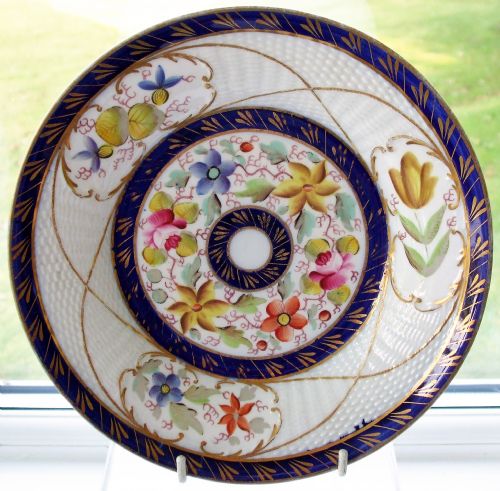
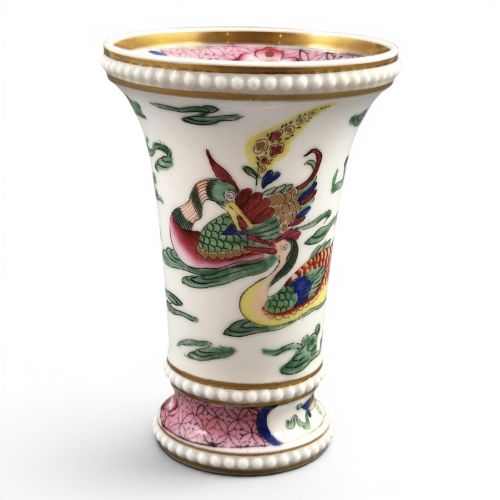
Regency period ceramics bring together refined neoclassical forms, rich enamel palettes and intricate gilding from the opening decades of the nineteenth century.
Regency Period Ceramics
When searching for regency period ceramics, collectors encounter refined tableware and display pieces produced during the early nineteenth century and the wider Georgian era. These items encompass functional dining wares alongside ornamental objects designed for the sophisticated interiors of the period.
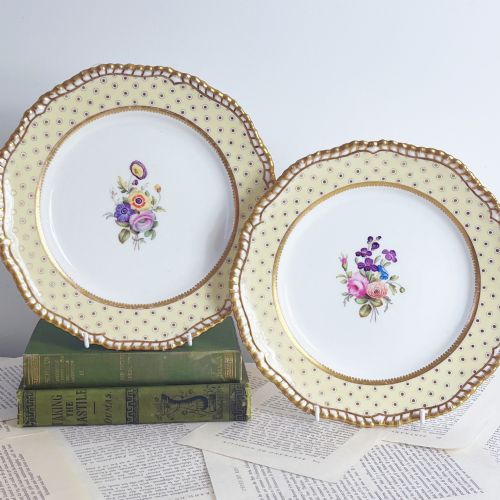
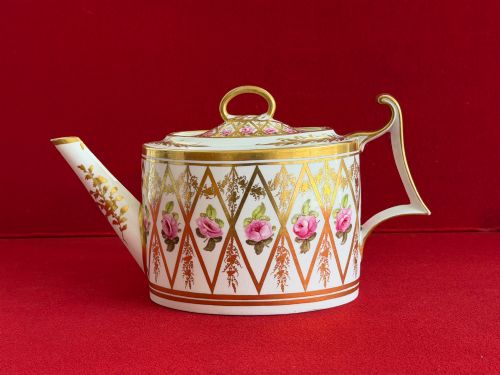
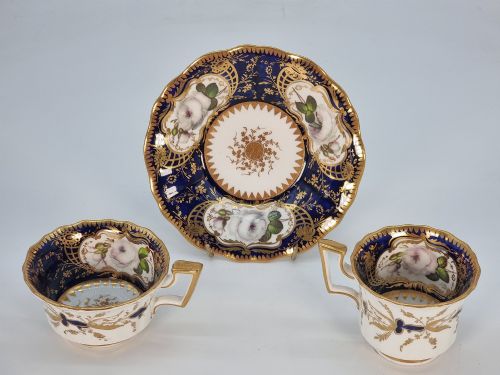
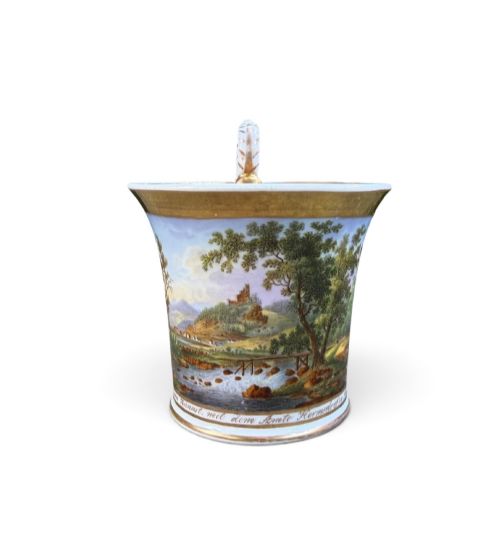
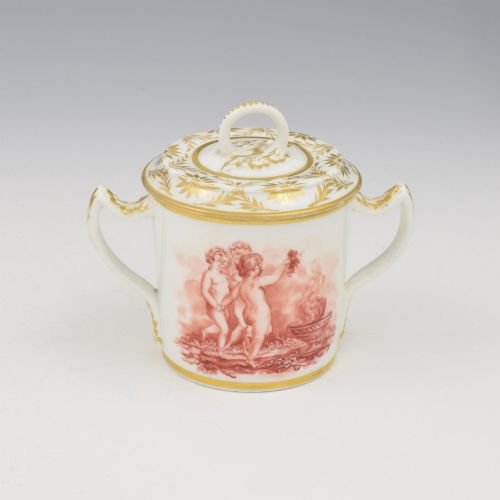
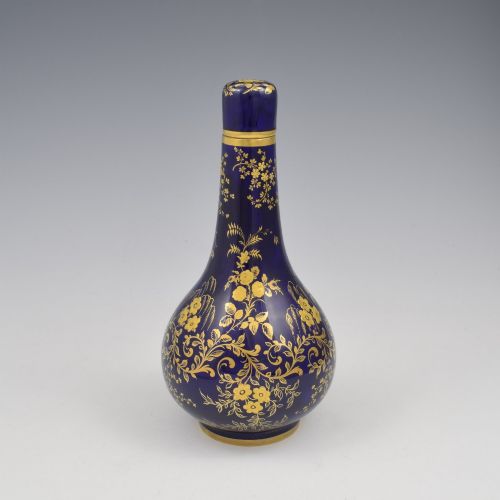
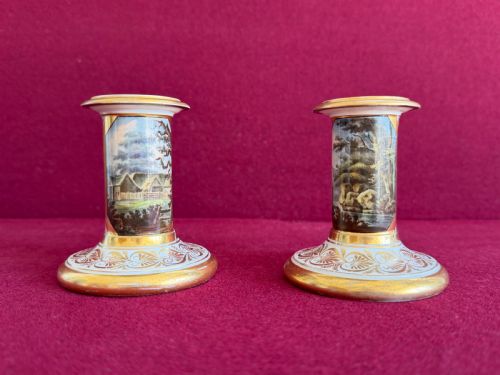
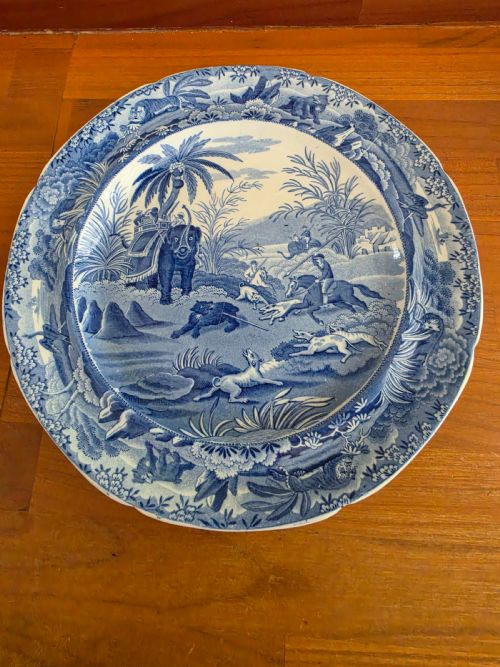
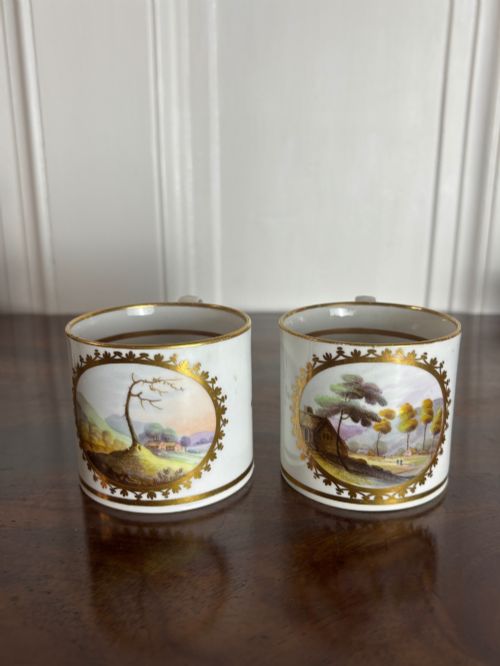
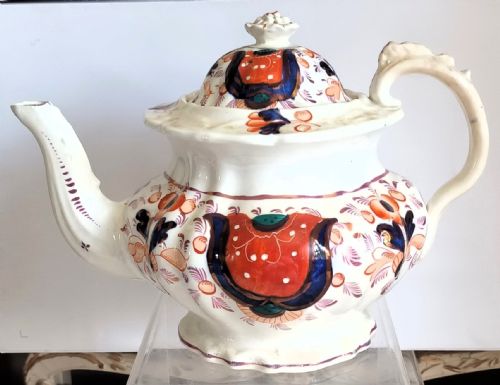
The pieces on this page span diverse forms including teacups and saucers, cabinet plates, dessert services, vases, jars and jugs. Makers often applied neoclassical motifs and botanical studies to porcelain, earthenware, bone china and ironstone.
Originating predominantly from renowned English factories such as Spode, Worcester, Derby and Coalport, alongside continental porcelain houses, these ceramics reflect the aesthetic shifts spanning late Georgian and Regency production.
Distinctions in Quality
The standard of painting on these ceramics sets superior examples apart, where botanical accuracy, miniature landscape details and finely executed armorial crests demonstrate exceptional artistic skill. Factory bodies also differ, with high-grade translucent porcelain and refined bone china offering superior thinness and resonance compared to standard earthenware.
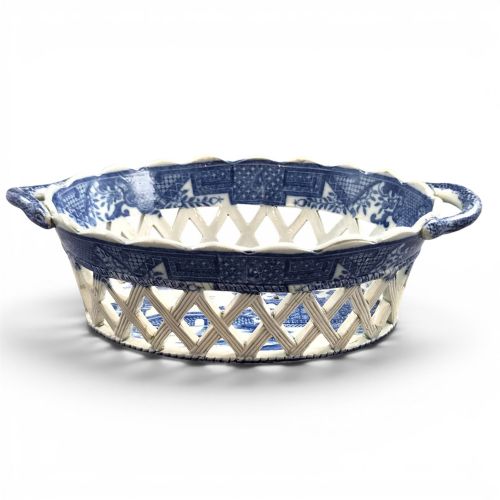
The application of gilding indicates quality, with hand-chased gold leaf providing lasting brilliance against plain or coloured grounds. Exceptional potting skill appears in complex moulded or pierced forms, such as reticulated chestnut baskets and sculptural handles that require precise firing control.
Provenance and factory attribution elevate a piece, particularly items bearing documented patterns from leading manufacturers like Worcester, Spode and Minton. The preservation of original enamel colours and gold highlights across generations heavily influences the desirability of each object.
Several dining tables of the era featured porcelain bath tubs for infants and creamware knee baths for private aquatic indulgence.
Spode·Derby Porcelain·Coalport·Berlin Porcelain·Barr, Flight And Barr·Minton·Chamberlain Worcester·New Hall·Yates·C.J. Mason·Ridgway
The Regency Period Ceramics Glossary
- Bone china
- A type of soft-paste porcelain incorporating bone ash, developed in England to create a strong, translucent ceramic body.
- Enamel
- Opaque glass-like pigments fired onto the glazed surface of ceramics to create brightly coloured painted decoration.
- Gilding
- The application of gold or gold leaf to ceramic surfaces, typically used for decorative borders, rims and highlights.
- Reticulation
- An openwork pierced pattern formed in wet clay before firing, frequently seen on chestnut baskets and dessert plates.
- Transfer printing
- A mechanical method of applying complex monochromatic or multi-coloured designs to pottery using engraved copper plates and tissue paper.
- Imari palette
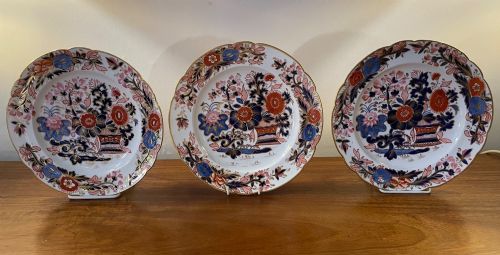
- A decorative style inspired by Japanese export porcelain, characterising designs that combine cobalt blue, iron red and gilt.
Regency Period Ceramics: Frequently Asked Questions
How were these ceramics used originally?
Wealthy households utilised these ceramics during formal dining, tea services and domestic display. Items like ice pails, dessert plates and porringers served specific courses within elaborate multi-course meals.
Decorative pieces such as pastille burners, jardinières and cabinet cups functioned as ornamental objects in drawing rooms and parlours. Their intricate designs reflected the social status and refined tastes of the owners.
How do I care for antique porcelain?
Antique porcelain requires gentle hand washing in lukewarm water using mild, non-abrasive soap. Dishwashers and harsh detergents cause permanent damage to delicate enamels and antique gilding.
Display items safely away from direct sunlight to prevent fading of hand-painted pigments. When handling cabinet cups or plates, support the entire base rather than lifting solely by handles.
How can I tell different periods apart?
Distinguishing periods relies on examining paste types, factory marks, stylistic motifs and potting techniques. Early nineteenth-century pieces often feature transitional Georgian shapes alongside bold Regency neoclassical designs.
factory marks, pattern numbers and painted titles on the reverse provide clues to specific dates. Comparing pieces against documented factory timelines helps confirm whether an item dates to the Regency era or later Victorian revivals.