


Minton Porcelain Dish
These minton porcelain dish selections bring the celebrated pottery of Staffordshire into your home with painted landscapes, basketweave relief, and gilt detailing.
Minton Porcelain Dish
A minton porcelain dish encompasses a variety of forms including dessert plates, serving trays, cabinet plates, and compotes created by the Staffordshire pottery. When searching for this phrase, collectors encounter items spanning the Georgian, Regency, and Victorian periods.
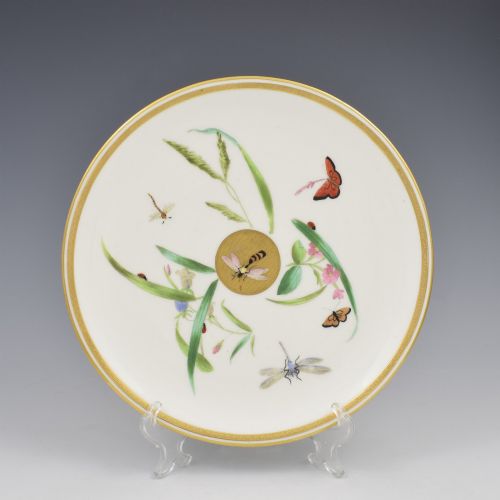
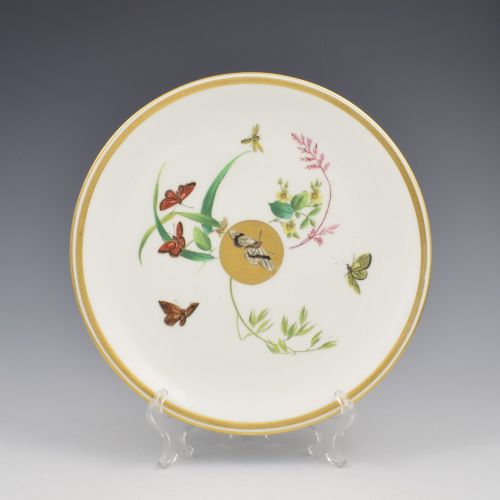
The pieces appearing on this page range from apple green floral dessert plates of the Regency era to Aesthetic Period plates decorated with Japanese style gilt suns and insects. Buyers frequently find plates featuring pearl jewelled landscape designs and pink grounds alongside blue and white china trays.
The selection also includes moulded Newcastle shape basketweave plates and larger rectangular platters finished in patterns such as Chinese Tree. Each object reflects the changing tastes of nineteenth century domestic display and formal dining.
How they were made
Makers utilised fine ceramic materials including porcelain and earthenware, shaping them into plates, trays, and compotes through moulding and throwing techniques. Basketweave designs required careful impression into the clay before firing to achieve crisp structural relief.
Surface decoration combined hand painting with glaze applications, enamel colours, and gilt highlights or gold leaf. Jewelling effects and intricate landscape motifs were applied over the glaze before secondary firing fixed the metallic and enamel elements to the ceramic body.
Watch for the fierce Bengal tiger sharing shelf space with gentle cherubs and delicate basketweave porcelain.
What varies in quality
The distinction between standard production and superior examples rests upon the precision of the hand painting and the complexity of the decorative scheme. Elaborate pictorial landscapes, raised jewelling, and meticulous gilt work require higher skill than simple transfer printed patterns.
Intact gilding and well preserved enamel colours elevate a piece, while crispness in moulded forms such as basketweave borders demonstrates superior tooling during manufacture.
Minton
The Minton Porcelain Dish Glossary
- Cabinet plate
- A decorative ceramic plate intended for display in a cabinet or on a wall rather than for dining use. These pieces often feature detailed hand painted scenes and rich gilding.
- Compote
- A raised serving dish or bowl mounted on a stem, used historically for fruit or sweetmeats at dessert. In this category, compotes frequently incorporate figural supports such as cherubs.
- Gilt
- A thin application of gold or gold leaf used to decorate the rims, borders, and motifs of ceramic tableware. This finish adds a reflective quality that catches candle or natural light.
- Celadon
- A pale green jade like glaze applied to ceramics, originating in East Asian traditions and adopted by European potteries during the nineteenth century. It provides a subtle monochrome surface for figural and vessel forms.
Minton Porcelain Dish: Frequently Asked Questions
How do I date a minton piece?
Dating relies upon pattern numbers, shape names, and stylistic markers recorded across the Georgian, Regency, and Victorian eras. Aesthetic Movement pieces with Japanese motifs typically point to the 1870s.
Changes in ceramic bodies, glaze types, and factory marks also assist in narrowing the decade of production for individual plates and compotes.
Were these dishes used for dining?
Many items functioned as dessert plates and serving trays during formal nineteenth century dining rituals. They formed part of the dessert course where fruit, sweets, and pastries were presented.
Cabinet pieces and compotes served primarily decorative functions, displayed on sideboards or within glazed furniture to showcase household wealth and taste.
What is the Aesthetic Movement style?
The Aesthetic Movement emerged in the latter half of the nineteenth century, prioritising beauty and artistic expression over strict historical revival. Japanese artistic traditions heavily influenced this style.
Dishes from this period feature asymmetric arrangements of gilt insects, suns, and flora against plain ceramic grounds.