


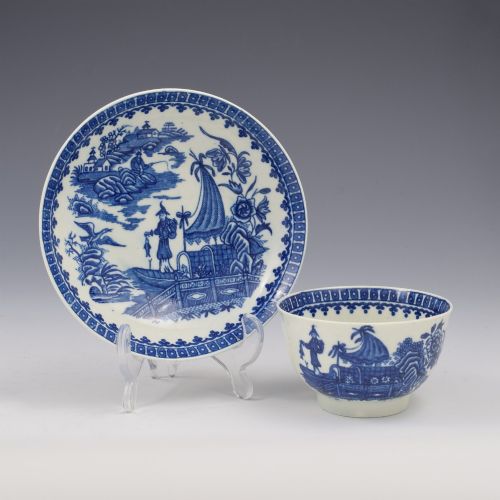
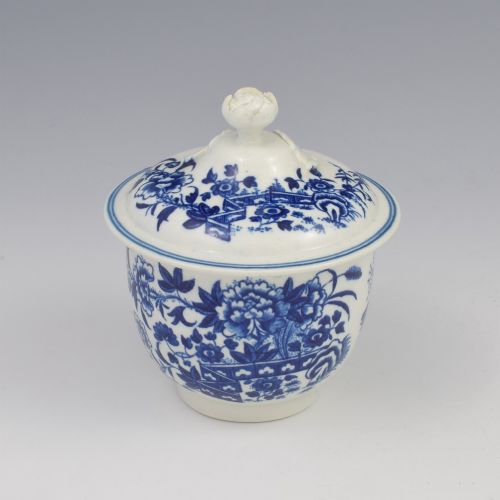


18th Century Chinoiserie Bowl
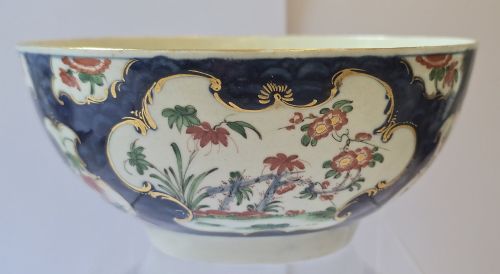
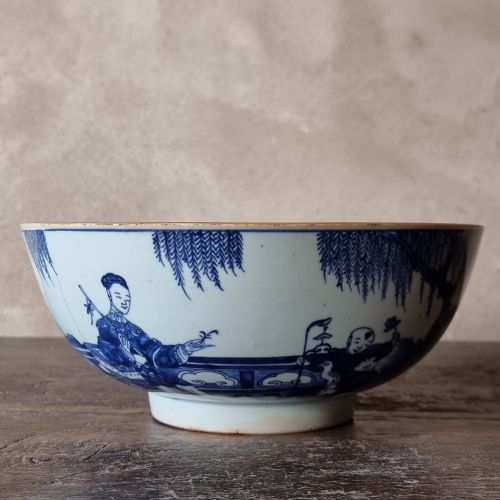
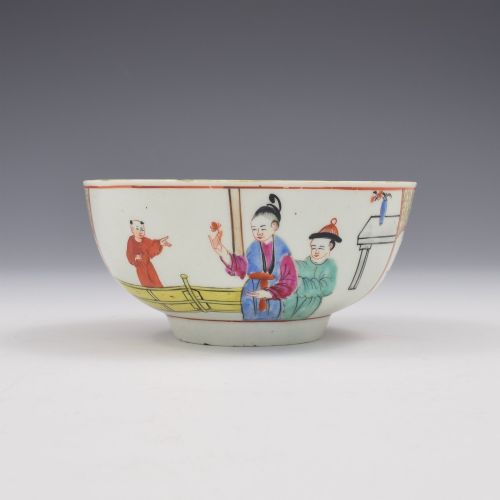
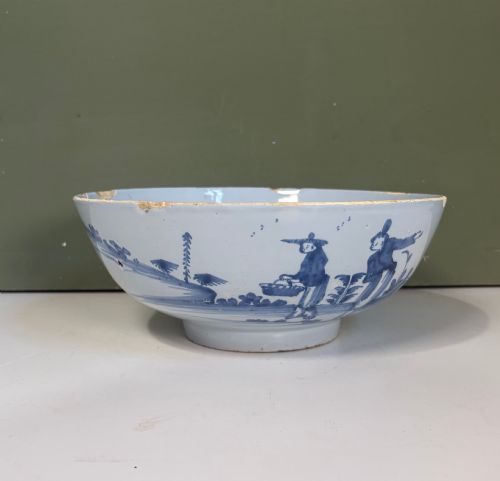
These 18th century chinoiserie bowls bring painted figures and exotic gardens into the Georgian home.
18th Century Chinoiserie Bowl
An 18th century chinoiserie bowl is a vessel for punch, tea or table service decorated with European interpretations of Chinese motifs and figures. Collectors search for these pieces to add hand-painted narrative scenes and period character to a room.
The versions most commonly met on this page originate from English porcelain factories such as Worcester or from Dutch and English delftware potteries. Forms range from large punch bowls and slop bowls to smaller tea bowls, sucriers and jardinieres.
Many examples date from the Georgian era, spanning the eighteenth century and stretching slightly into 1800. They combine European potting traditions with oriental landscapes, figures, fences and floral patterns.
How they were made
Potters shaped these bowls using soft-paste porcelain, hard-paste porcelain or tin-glazed earthenware. Artisans applied cobalt glaze and cobalt oxide under the glaze before firing, or added enamel colours on top.
Specialist decorators such as James Giles added supplementary enamel painting in London workshops. The pieces underwent high-temperature kilns to fuse the glaze and colours to the ceramic body.
18th Century Chinoiserie Bowl Retail Price Guide 2026
Typical asking prices for 18th century chinoiserie bowl among the pieces listed under this phrase on Sellingantiques today, from the lower quarter to the upper quarter. They describe what is for sale here now, not the wider market.
The styles span Georgian chinoiserie, Qing dynasty and Dutch Baroque periods.
What varies in quality
Quality rests in the crispness of the hand-painted brushwork and the depth of the cobalt or enamel pigments. Finer pieces display confident, detailed figures and landscape elements rather than hurried strokes.
The sophistication of the potting and the stability of the glaze shape the overall character of the vessel. Early factories achieved varying levels of translucency and surface smoothness across their output.
Dr Wall Worcester·James Giles·Derby Porcelain
The 18th Century Chinoiserie Bowl Glossary
- Chinoiserie
- European decorative style reflecting Chinese artistic influences. It appears on pottery through imaginative depictions of figures, pagodas and gardens.
- Slop bowl
- A small basin used during tea service to discard unwanted dregs or leftover tea leaves. These pieces form part of larger matching tea sets.
- Tin-glazed earthenware
- Pottery covered with a white glaze containing tin oxide, providing an opaque surface for painted decoration. Delftware is the primary example found in this category.
- Soft-paste porcelain
- A ceramic material composed of clay, glass frit and other minerals, fired at lower temperatures than true hard-paste porcelain. English factories utilised this paste extensively during the eighteenth century.
- Enamel
- Opaque glass mixture applied over fired glaze and fixed in a muffle kiln. It allows for vibrant multi-coloured palettes beyond standard blue and white.
18th Century Chinoiserie Bowl: Frequently Asked Questions
What is a slop bowl used for?
A slop bowl held the dregs from tea cups before pouring a fresh cup from the teapot. They sit alongside tea bowls and saucers on the table.
These vessels match the pattern of the broader tea service and offer a practical function during tea drinking.
How do I care for an antique bowl?
Wash these ceramic pieces gently by hand using mild soap and warm water. Avoid modern dishwashers and harsh abrasive materials entirely.
Display them securely away from shelf edges where accidental knocks might occur.
How do I tell porcelain from delftware?
Porcelain is dense, hard-wearing and often translucent when held to the light. It has a glassy body created from refined white clay and minerals.
Delftware is an earthenware body covered in an opaque white tin glaze. It feels heavier and lacks the translucency of porcelain.
What is Chinese export porcelain?
Chinese export porcelain refers to wares made in China specifically for the European market during the Qing dynasty. These pieces often combined traditional Chinese forms with designs requested by Western buyers.
Potters shipped these finished goods to European ports for domestic use and display.