


Antique Export Porcelain Bowl
When you search for an antique export porcelain bowl, you are looking at centuries of global trade preserved in fired clay and painted glaze.
Antique Export Porcelain Bowl
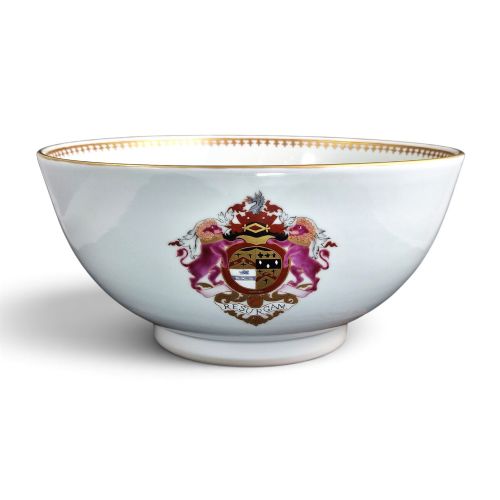
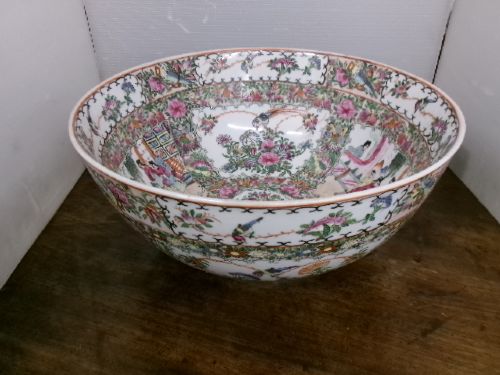
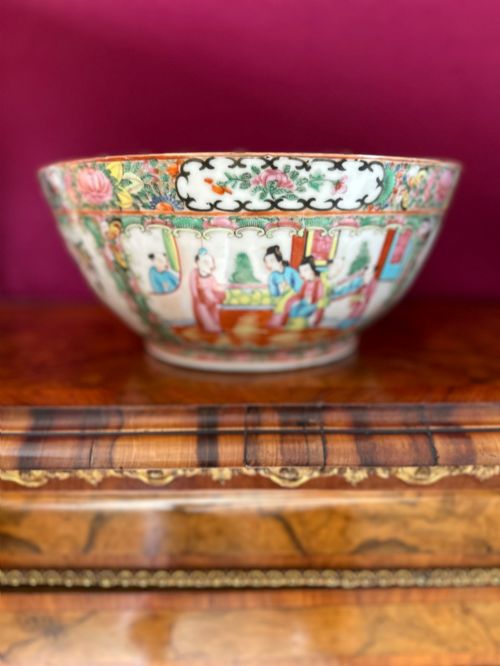
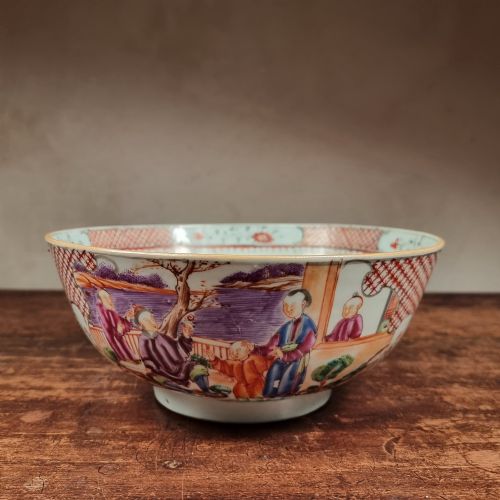
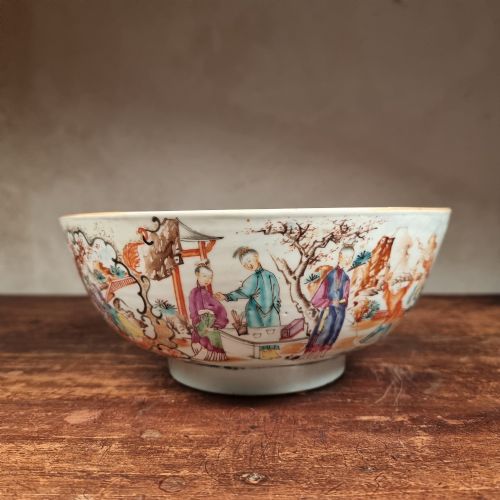
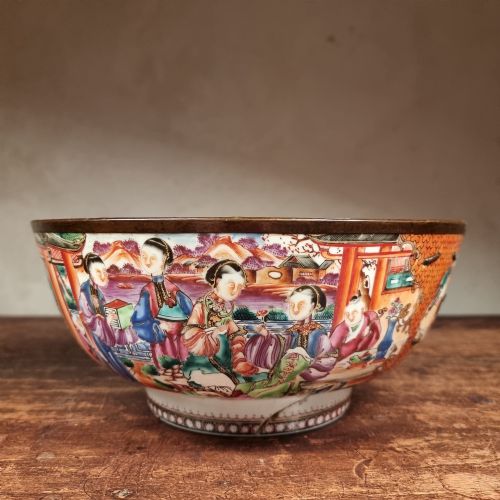
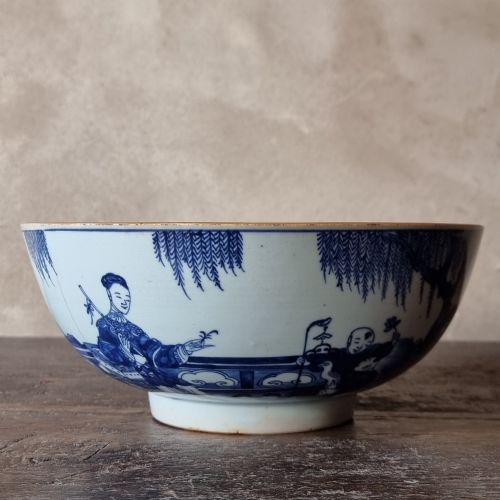
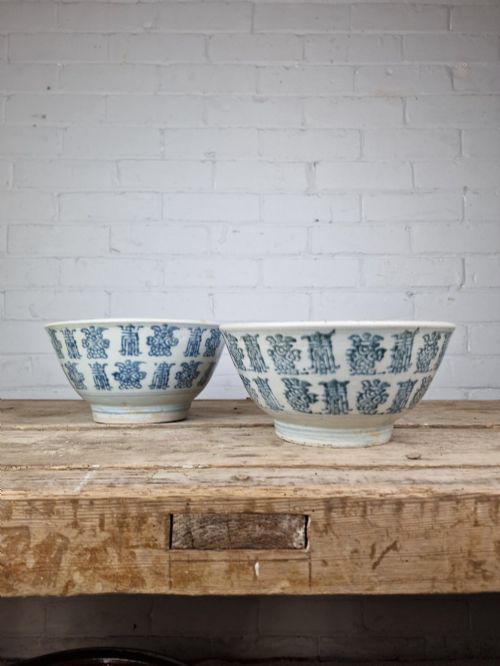
An antique export porcelain bowl represents the intersection of Eastern manufacturing traditions and Western domestic demand, spanning periods from the Ming Dynasty through the Qing Dynasty and into Japanese Meiji production. These vessels take many forms, including large punch bowls, lobed dishes, deep saucer-dishes, and smaller provincial bowls intended for display or utility.
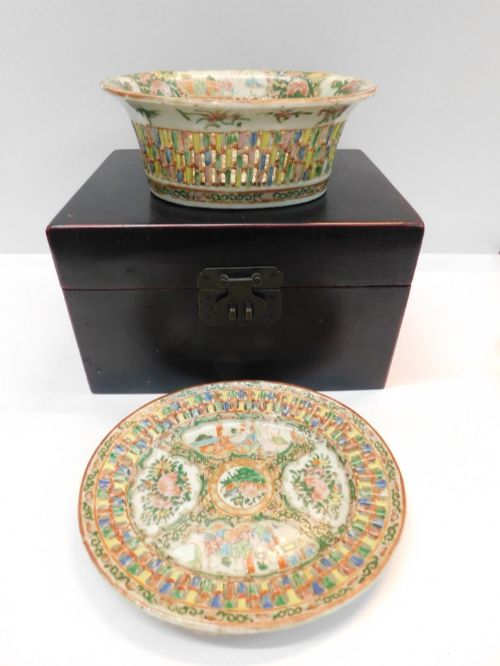
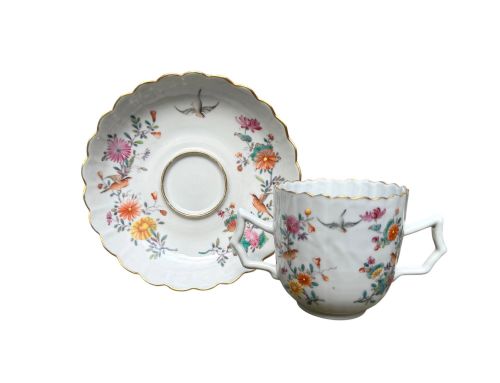
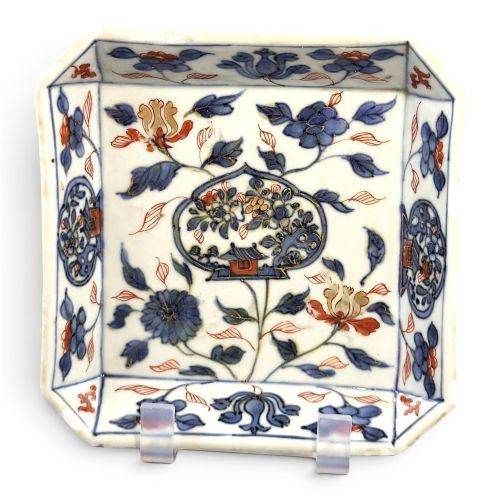
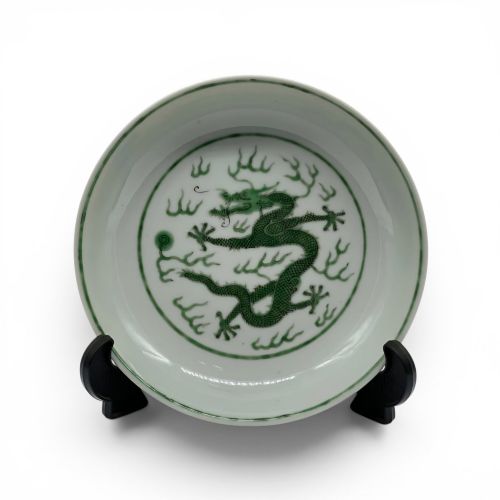
The pieces available on this page lean heavily toward the eighteenth and nineteenth centuries, featuring major stylistic groups such as Chinese Famille Rose, Japanese Imari, and Canton export wares. Buyers encounter everything from robustly potted provincial items to delicate eggshell bowls bearing specific reign marks.
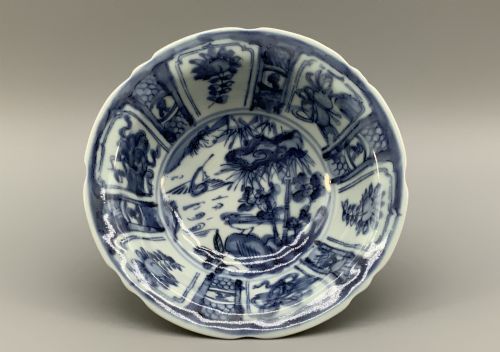
Vessels from the Kangxi period sit alongside later nineteenth-century Canton pieces, demonstrating how decorative palettes evolved from cobalt underglaze blue to rich overglaze enamels and gilding. Each form tells a story of maritime commerce and artistic exchange between Asia and Europe.
How they were made
Potters constructed these bowls using fine ceramic clay bodies, applying glaze and cobalt underglaze before initial firing to achieve durable blue and white motifs. Artisans then layered overglaze enamels, gold leaf, and gilt highlights onto the fired surface, returning the piece to a kiln for a lower-temperature fixation.
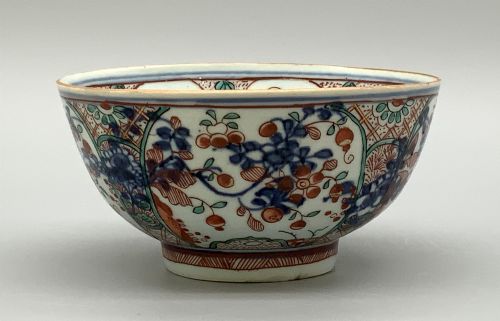
The application of pigment required steady hands and specialised brushes, yielding intricate botanical, figural, and geometric scenes across both interior and exterior walls. Japanese workshops utilised similar glazing and firing traditions, occasionally incorporating copper-red iron pigments or rich brocade patterns associated with Imari and Satsuma output.
Current listings span the 17th, 18th, and 19th centuries, incorporating materials such as cobalt underglaze, gold leaf, and overglaze enamel.
What varies in quality
Quality rests in the precision of the brushwork and the clarity of the porcelain body, where finely potted eggshell ceramics contrast against heavier, thicker provincial wares. Superior pieces display crisp definition in overglaze enamels and careful alignment of gold leaf details without blurring or running into the base glaze.
The depth of historical provenance also influences standing, particularly when specific reign marks, imperial styles, or documented export periods like the Kangxi era anchor the piece. Well-preserved surfaces with minimal rubbing to the gilding indicate careful handling through generations of domestic use.
The Antique Export Porcelain Bowl Glossary
- Famille Rose
- A polychrome ceramic palette dominated by opaque pink enamel, introduced during the Qing Dynasty. This style allowed artists to render delicate floral and figural motifs with subtle tonal gradations.
- Imari
- A type of Japanese export porcelain characterised by a distinct colour scheme of underglaze blue, iron red, and supplementary gold. Pieces often feature dense brocade designs and floral panels.
- Cobalt Underglaze
- A blue pigment applied directly to the unglazed clay body before the application of a clear protective glaze and high-temperature firing. This technique prevents the pigment from wearing away during use.
- Punch Bowl
- A large, deep vessel designed for mixing and serving communal drinks during eighteenth and nineteenth-century gatherings. These pieces frequently occupy a prominent scale in export ceramic collections.
- Swatow
- A term for sixteenth and seventeenth-century Chinese provincial trade ceramics produced in Guangdong province for export across Asia. They are typically potted heavily with freely brushed cobalt motifs.
Antique Export Porcelain Bowl: Frequently Asked Questions
How do I identify a Kangxi period bowl?
Kangxi period bowls date from 1662 to 1722 and often display vibrant cobalt underglaze blue or early Imari palettes with crisp, energetic brushwork. The porcelain bodies during this reign tend to be dense and resonant, sometimes featuring cyclical dates or apocryphal Ming marks rather than the maker's own.
Examination of the foot rim reveals finely finished porcelain that is smooth to the touch, lacking the gritty adhesions found on rougher provincial output. These pieces reflect a high point in imperial kiln efficiency and international export trade.
How were antique export bowls used originally?
Export bowls served both utilitarian and decorative roles in European and American households, functioning as centrepieces for dining tables or washing vessels for tea services. Large punch bowls stood at the heart of social gatherings, while smaller dishes and saucers held dry goods or displayed cabinet collections.
As trade routes expanded, wealthy merchants and nobility utilised these imported ceramics to signal cosmopolitan taste and global connectivity. Over time, many transitioned from active dining service into stationary display pieces within parlours and drawing rooms.
Are Japanese Imari bowls older than Chinese export ones?
Japanese Imari production began in earnest during the seventeenth century around Arita, influenced by Korean ceramic techniques and rising European demand. While China had exported porcelain for centuries prior, Japanese kilns rapidly developed distinct brocade patterns that rivalled Chinese output by the Genroku period.
Collectors often find eighteenth-century Chinese pieces made specifically to imitate Japanese Imari styles, illustrating a reciprocal design influence between the two nations. Dating requires looking at the clay body, weight, and secondary pigments rather than assuming one origin predates the other entirely.