




Gilded Ceramic Centrepiece
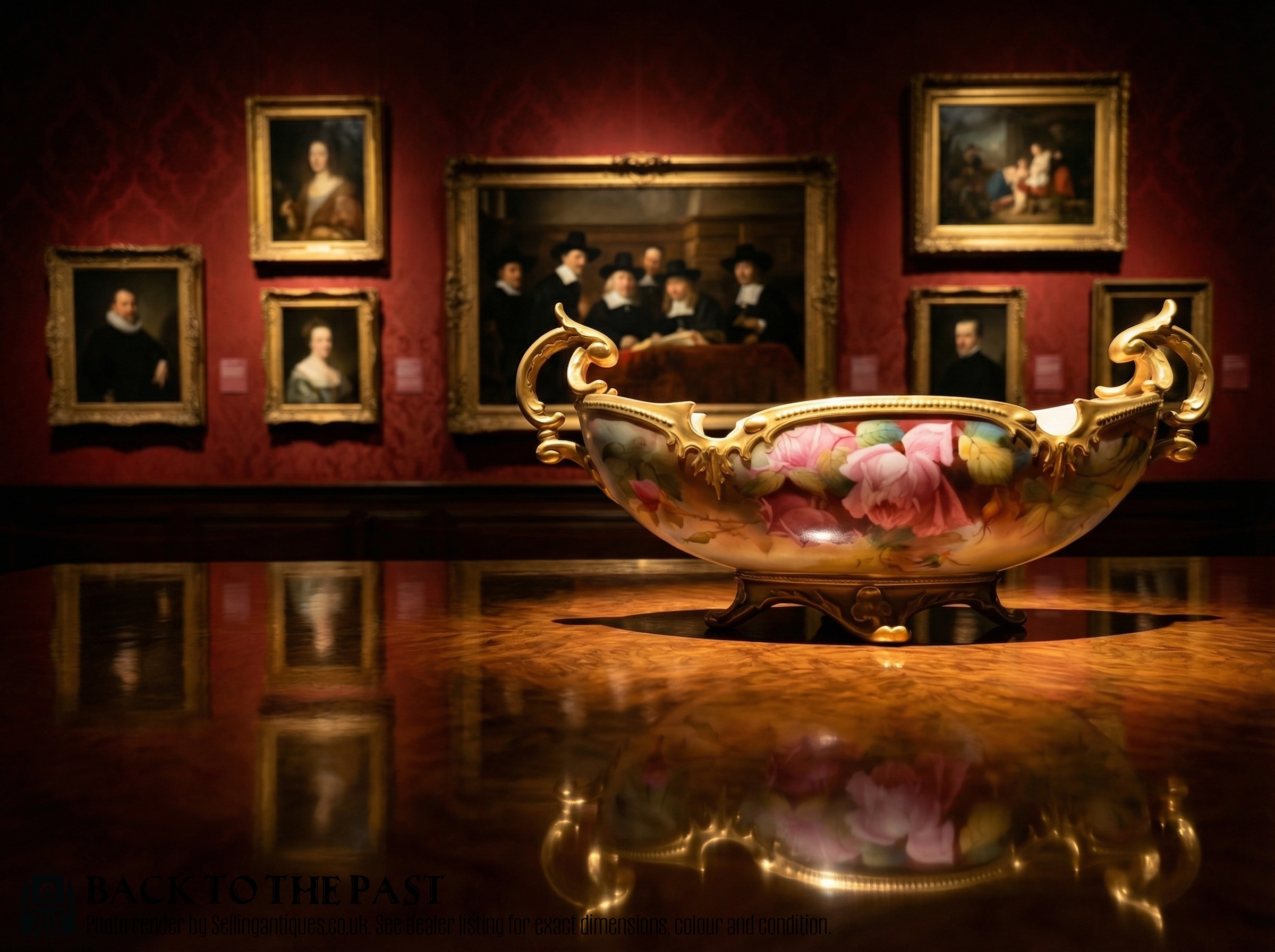
A gilded ceramic centrepiece brings a flash of gold and painted porcelain to the middle of a table, exactly where hosts placed them to command the room.
Gilded Ceramic Centrepiece
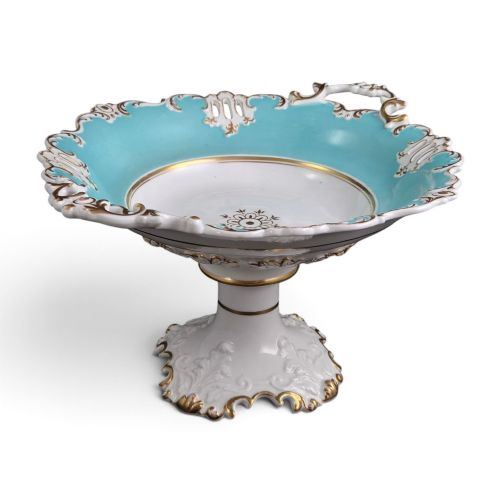
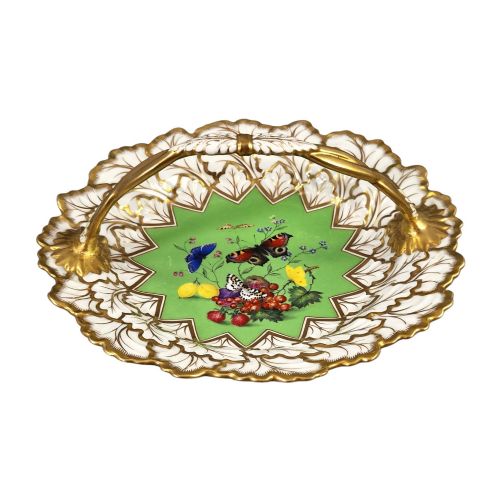
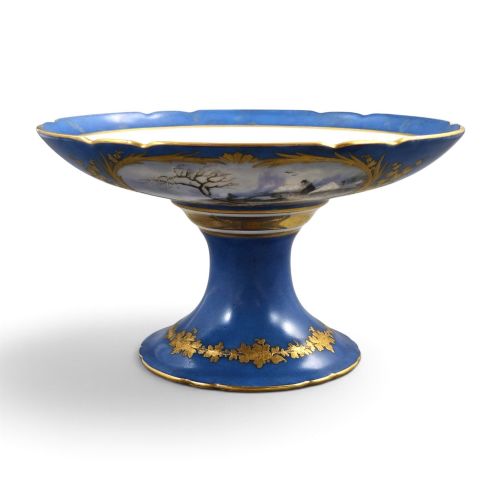
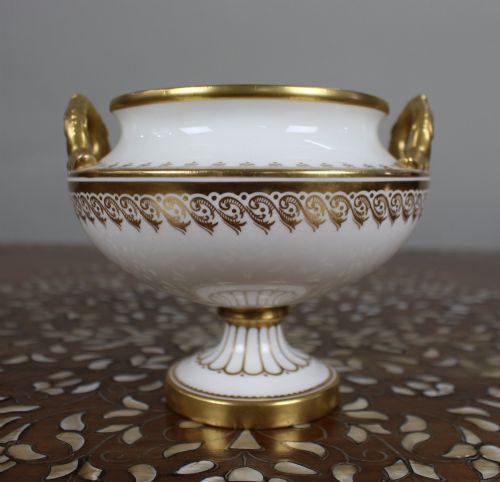
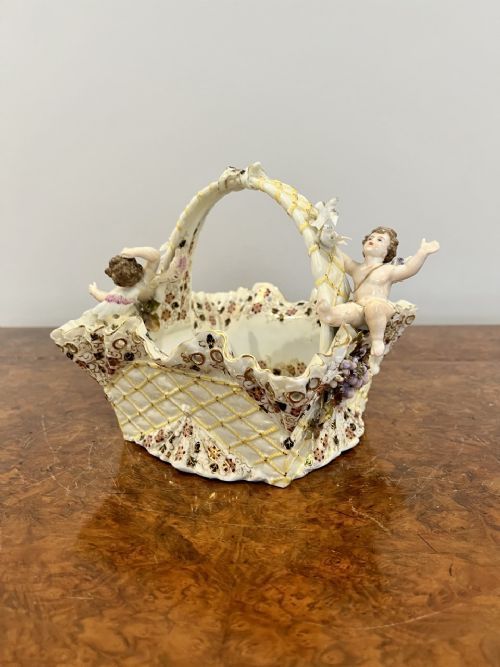
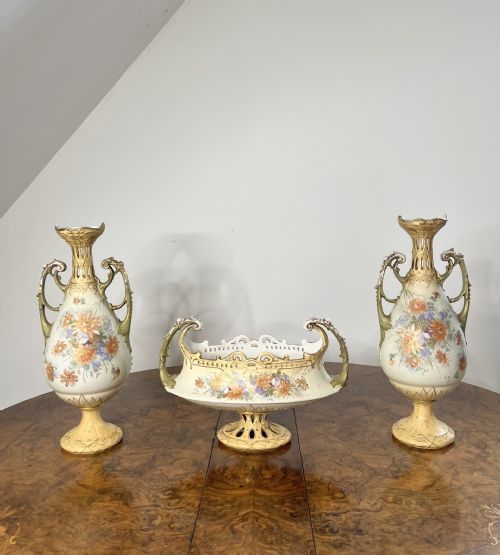
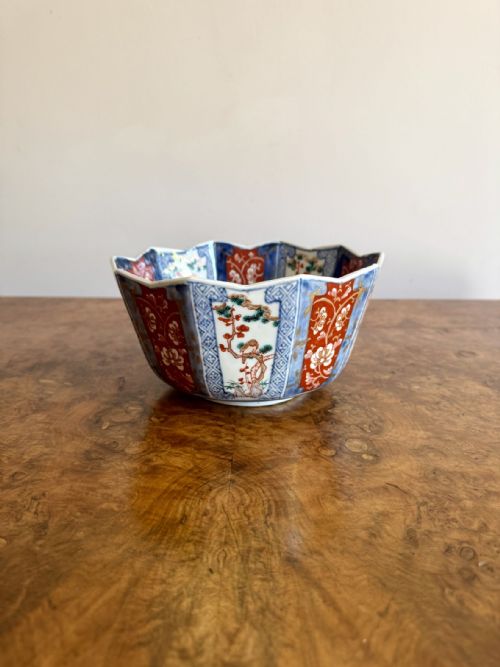
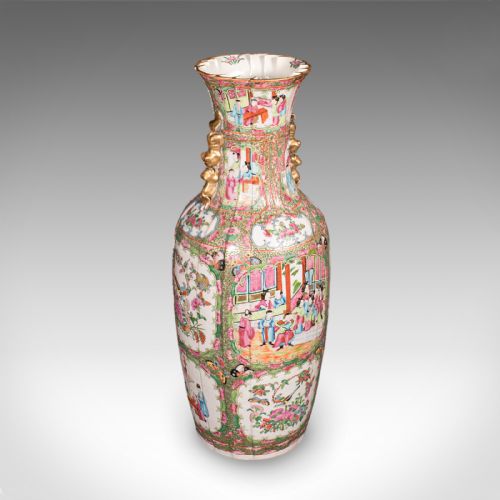
When you search for a gilded ceramic centrepiece, you are looking at large decorative vessels and fruit bowls designed to sit grandly on dining tables or sideboards. The pieces you meet most often on this page take the form of porcelain baskets, comports, and pedestal bowls decorated with gold leaf or gilt edge.
The selections span from Regency and Victorian periods up through the Edwardian era and 1920s, drawing on English, French, German, and Japanese ceramic traditions. Many combine earthenware or porcelain bodies with hand-painted scenes, floral encrustations, or gilt bronze mounts.
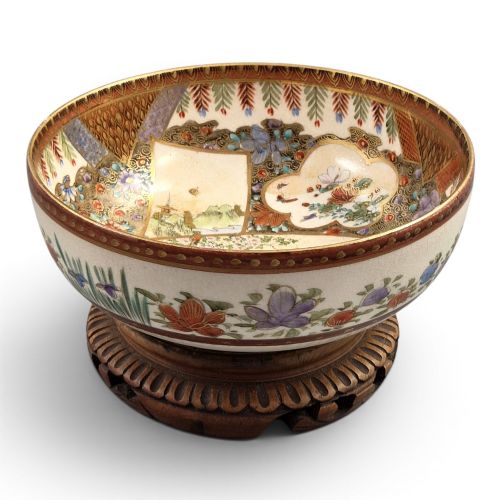
Makers from Coalport, Worcester, Sèvres, and Wedgwood produced these works alongside Satsuma workshops in Japan. You encounter everything from simple white and gilt urns to monumental Satsuma bowls covered in intricate samurai battles and mon symbols.
How they were made
Potters shaped these vessels using porcelain, earthenware, and ironstone clays, often moulding them into basket weaves, shell dishes, or fluted tazzas before firing. Artisans then applied colourful glazes, enamel details, and hand-painted floral sprays or topographical views across the ceramic body.
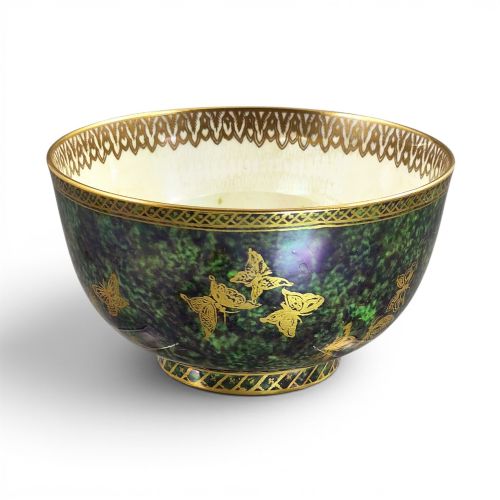
Gilding was added using gold leaf or liquid gilt, carefully painted onto rims, handles, and raised relief elements before a final low-temperature firing to fix the metal. More complex European examples integrated champlevé enamel and gilt bronze mounts, while Japanese Satsuma pieces relied on dense crackle glazes and detailed gold work.
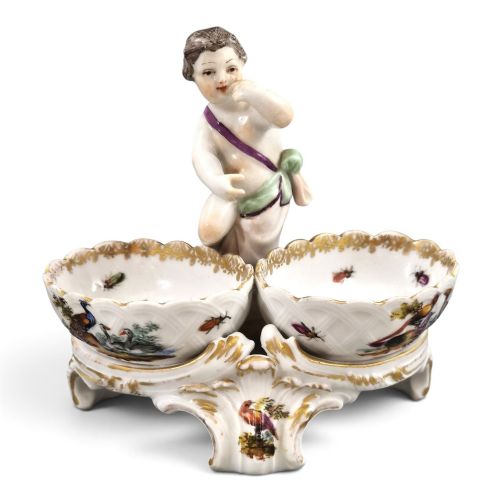
Musical putti figures often lean rather enthusiastically over the edges of porcelain centrepieces, seemingly deaf to the dinner table conversation below them.
What varies in quality
The standard of a gilded ceramic centrepiece rests on the crispness of the porcelain moulding and the precision of the hand-painted decoration. Finer pieces display delicate, detailed brushwork in the landscape views or figures, whereas simpler examples rely on standard transfer prints.
The application of the gilding also separates standard production from superior work, with heavier, burnished gold leaf retaining its lustre far better than thin, rubbed gilt edges. Additionally, the presence of registered maker marks, artist signatures, and complex sculptural additions such as putti or figural supports elevate a piece significantly.
Coalport·Flight Barr And Barr·KPM Berlin·Royal Vienna·Wedgwood·Kozan·Rockingham·Sevres·Royal Worcester·Ryuzan·Chamberlain S Worcester·Volkstedt·Plaue Schierholz·Kinkozan Kyoto·Kister·Mason S·Samson Of Paris
The Gilded Ceramic Centrepiece Glossary
- Tazza
- A shallow bowl or cup mounted on a stem and foot, traditionally used for serving fruit or sweetmeats at dessert.
- Comport
- A decorative stand or large dish used on the dining table for holding fruit or confections during formal meals.
- Gilding
- The application of gold leaf or gold dust to the surface of ceramic or metal objects to create a rich metallic trim.
- Satsuma
- Japanese pottery characterised by a fine, ivory-coloured crackle glaze decorated with elaborate enamels and raised gold work.
- Encrusted
- A decorative technique where small ceramic flowers, leaves, or fruit are modelled by hand and applied thickly to the surface of a basket or vase.
Gilded Ceramic Centrepiece: Frequently Asked Questions
What was a gilded ceramic centrepiece used for?
These large bowls and baskets stood in the middle of formal dining tables during the dessert course, holding fresh fruit, sweetmeats, or decorative flowers. They served primarily as decorative centerpieces to impress guests and reflect candlelight off the gilded rims.
Over time, many found their way to sideboards, mantels, or display cabinets where their painted scenes and gilt mounts could be admired without the risk of daily use.
How do I style a ceramic centrepiece at home?
Place your bowl in the middle of a large dining table, a heavy wooden sideboard, or an open console where it has enough surrounding space to command attention. You can leave the vessel empty to showcase the interior painting and gilding, or fill it lightly with seasonal fruit or dried botanicals.
Keep the piece away from direct, harsh sunlight to protect fragile enamel colours and delicate gold leaf over the long term.
How can I tell the period of a centrepiece?
Look closely at the ceramic body, the style of the painting, and any maker marks stamped or painted on the base. Regency and early Victorian pieces often feature crisp white porcelain with hand-painted botanical or topographical views, while late 19th-century items lean towards heavier gilding, elaborate figural supports, or dense Japanese Satsuma decoration.
Comparing the form to known factory production dates helps narrow down the exact decade of manufacture.