


Pink Rose Porcelain Dish
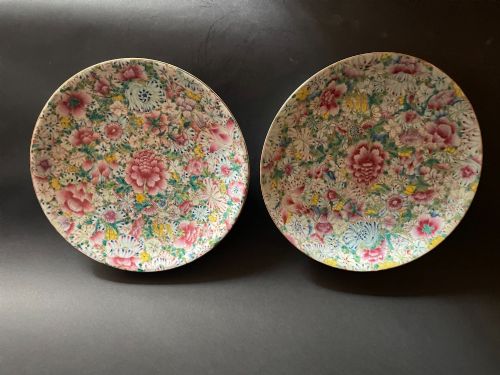
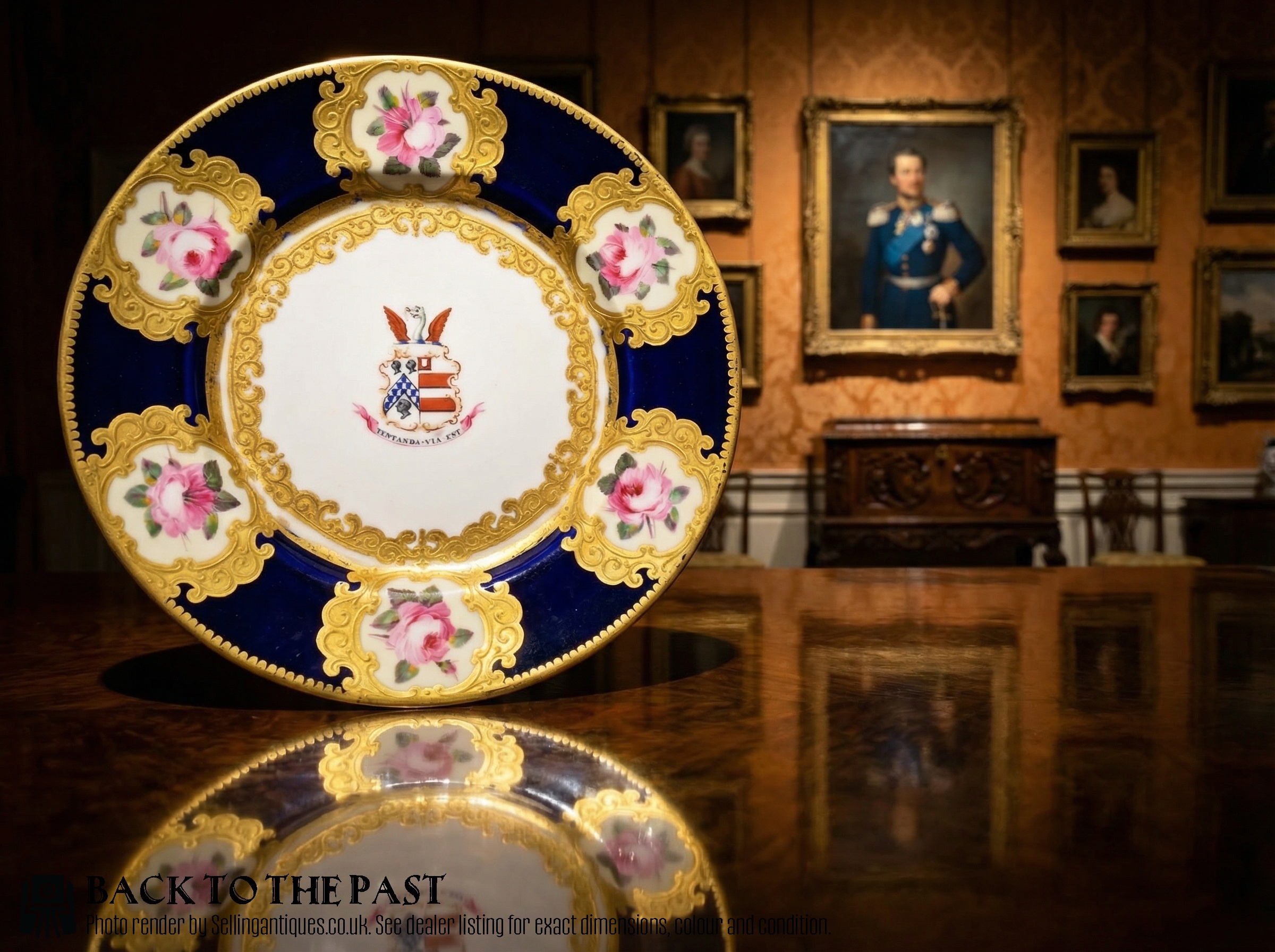
A pink rose porcelain dish brings hand-painted floral panels and fine ceramic forms to the table, offering a glimpse into eighteenth and nineteenth-century decorative traditions.
Pink Rose Porcelain Dish
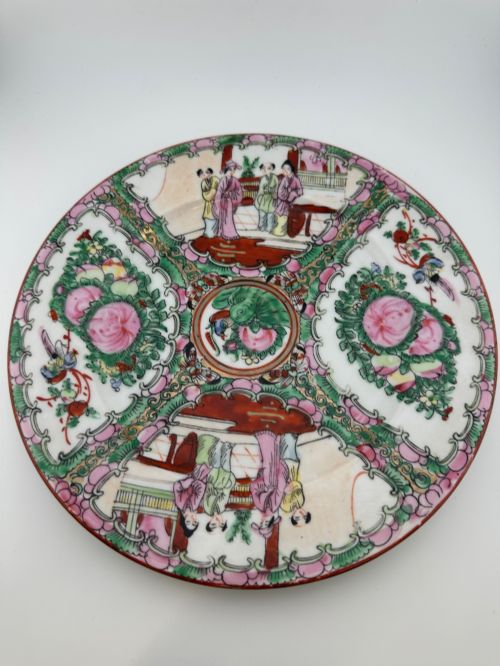
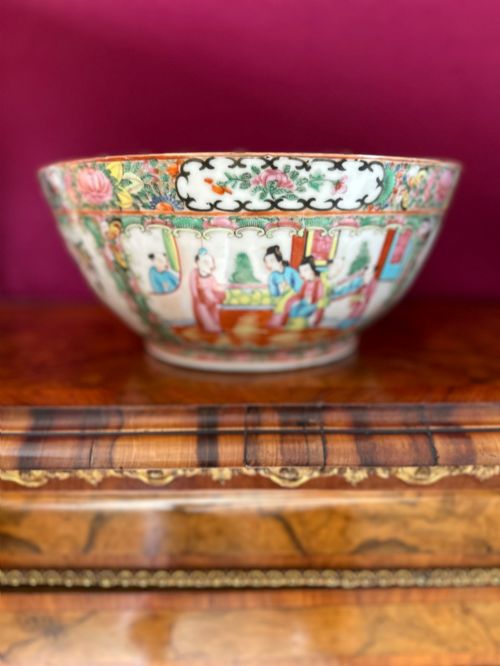
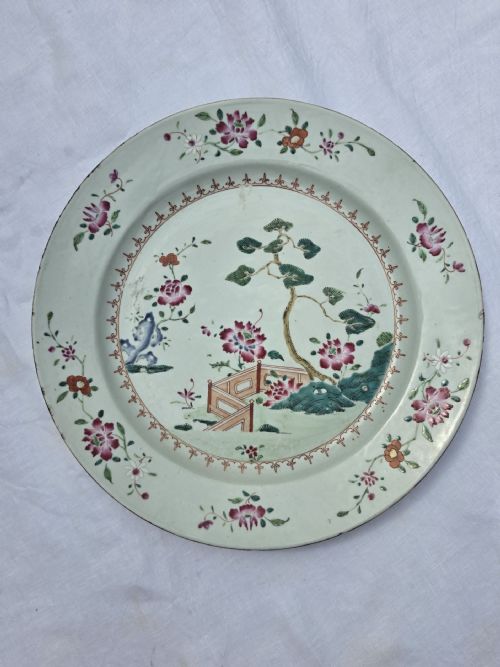
A pink rose porcelain dish encompasses an array of decorative plates, chargers, bowls, and trays spanning the eighteenth and nineteenth centuries. Buyers searching this phrase encounter predominantly Chinese Export wares, including Canton and Famille Rose pieces alongside English manufactories.
The selection ranges from eighteenth-century Qianlong platters and tea bowls to Victorian Canton dishes and Edwardian English porcelain. Forms vary from simple plates and trefoil trays to pedestal dishes, lidded pen boxes, and large chargers.
Chinese Export pieces dominate the selection, featuring intricate hand-painted floral, bird, and Mandarin palette scenes. English contributions from factories such as Worcester appear alongside Japanese Kutani chargers.
How they were made
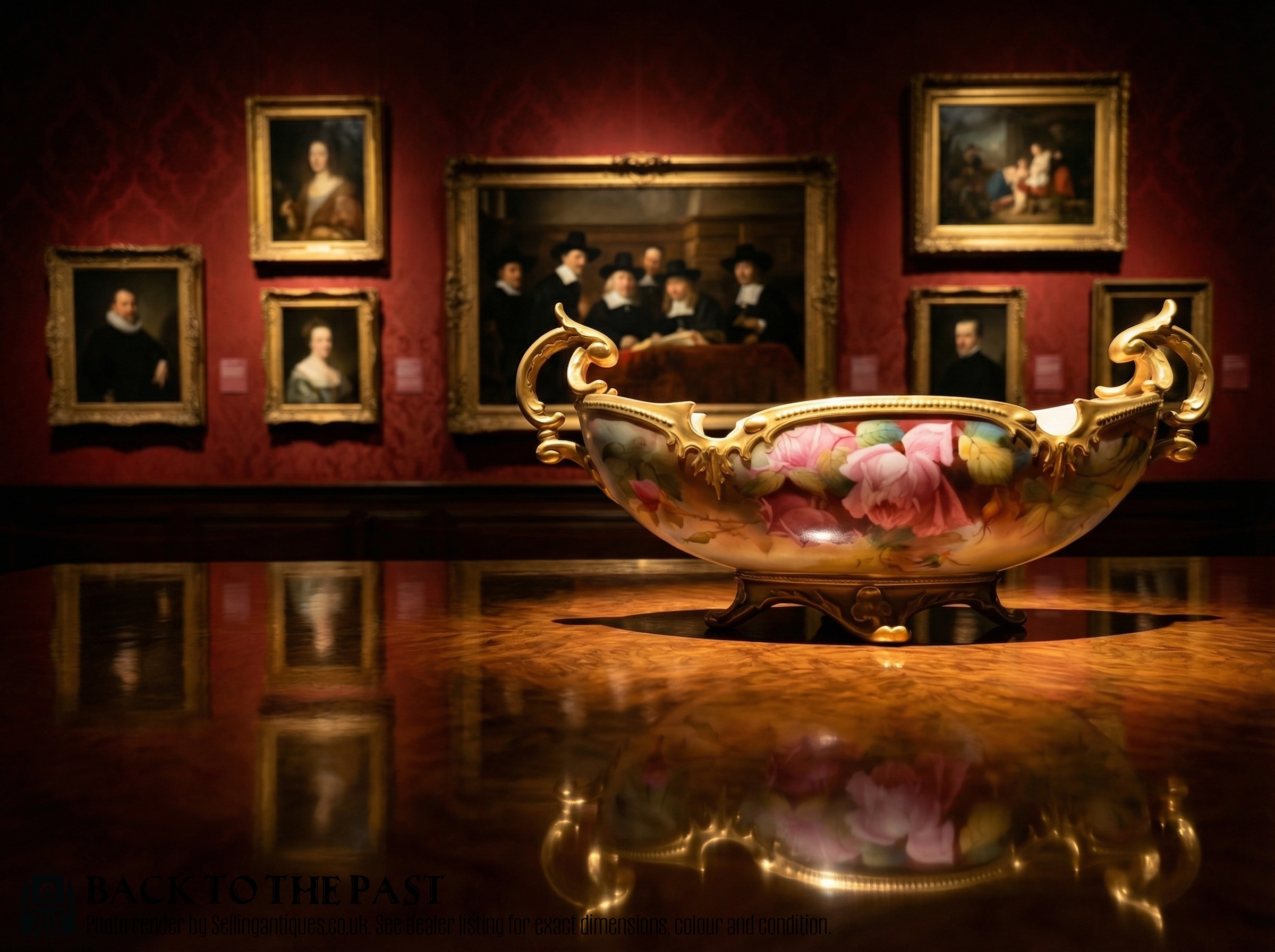
Hard-paste porcelain forms the physical body of these items, shaped into bowls, plates, and specialised serving dishes. Craftsmen then applied enamel glazes to create the characteristic colourful surfaces seen across the eras.
Decoration relied on hand painting, utilising overglaze enamels to render detailed botanical and figural scenes. Gold leaf, gilt, and gilding provided metallic highlights to borders and motifs, enhancing the visual depth of the porcelain.
One eighteenth-century dish arrives shaped like a shamrock, proving that even strict export markets enjoyed a touch of botanical whimsy.
What varies in quality
The precision and detail of the hand painting distinguish finer examples from standard production. Superior items display meticulous brushwork in the floral panels and figural scenes, whereas lesser pieces show broader, less refined execution.
The application of gilding and the clarity of the enamel glaze contribute significantly to a piece's standing. Well-preserved gold leaf and vibrant, stable overglaze colours indicate higher craftsmanship during manufacture.
Chamberlain Worcester·Flight Barr and Barr·Royal Worcester
The Pink Rose Porcelain Dish Glossary
- Famille Rose
- A palette of opaque overglaze enamels dominated by pink or rose colours, introduced in Chinese porcelain during the Qing dynasty. This palette defines many of the floral and figural designs found on eighteenth and nineteenth-century dishes.
- Canton
- A style of Chinese porcelain decorated in colourful enamels, often featuring alternating panels of figures and birds or flowers. These items were shipped to Western markets through the port of Canton during the Qing period.
- Hard-paste porcelain
- A dense, vitrified ceramic material fired at high temperatures using kaolin and petuntse. It provides a durable, white body that resists scratching and holds delicate enamel decoration securely.
- Armorial
- A ceramic design featuring a family coat of arms or crest commissioned by the original buyer. These bespoke pieces represent a specialised category within export porcelain.
- Overglaze enamel
- Pigments applied on top of a fired and glazed porcelain surface before undergoing a secondary, lower-temperature firing. This technique allows for a wide range of bright colours including the characteristic pinks.
Pink Rose Porcelain Dish: Frequently Asked Questions
What is a pink rose porcelain dish?
A pink rose porcelain dish is a ceramic plate, bowl, or tray decorated with floral motifs utilising the Famille Rose enamel palette or similar botanical hand painting. These items originate predominantly from eighteenth and nineteenth-century Chinese export workshops as well as English factories.
They encompass various forms including chargers, trefoil trays, and pedestal dishes. The defining characteristic is the presence of pink or rose-toned floral decoration applied over the glaze.
How were these dishes used originally?
Many of these pieces served practical functions at dining tables for dessert, tea service, or presenting food. Others functioned purely as decorative bowls and chargers displayed in formal rooms.
Export wares often fulfilled the demands of Western households eager for exotic porcelain. Lidded boxes, such as pen boxes, served desk accessories for writing equipment.
How do I care for antique porcelain dishes?
Antique porcelain requires gentle handling and should be washed by hand in warm water using mild soap rather than placed in a dishwasher. Harsh abrasives can damage the delicate overglaze enamels and gold leaf highlights.
Storage should involve stable surfaces where pieces do not stack directly against one another without protective padding. Avoiding sudden temperature changes prevents stress on the ceramic body and glaze.
How can I tell Chinese export from English porcelain?
Chinese export porcelain from the Qing dynasty typically exhibits hard-paste bodies with distinct palette characteristics like the Mandarin or Famille Rose schemes. The potting style and foot rim construction often reflect traditional Chinese ceramic techniques.
English pieces from factories like Worcester display European shapes such as boat-shaped bowls or specific entrée dish forms. Maker marks or characteristic paste qualities specific to Staffordshire or Worcestershire manufactories also help differentiate origin.