

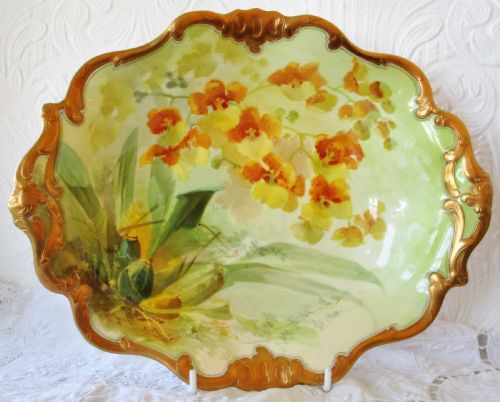

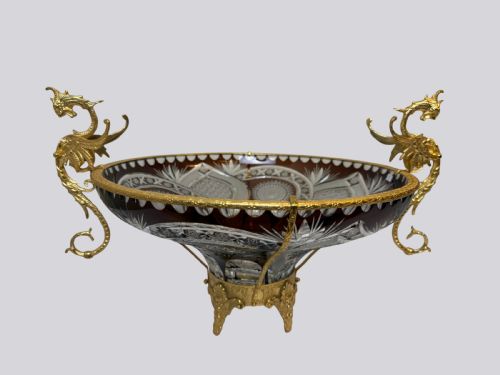


Edwardian Gilt Fruit Bowl
An Edwardian gilt fruit bowl brings gleaming gilt bronze, rich enamel and hand-painted porcelain to a dining table or cabinet.
Edwardian Gilt Fruit Bowl
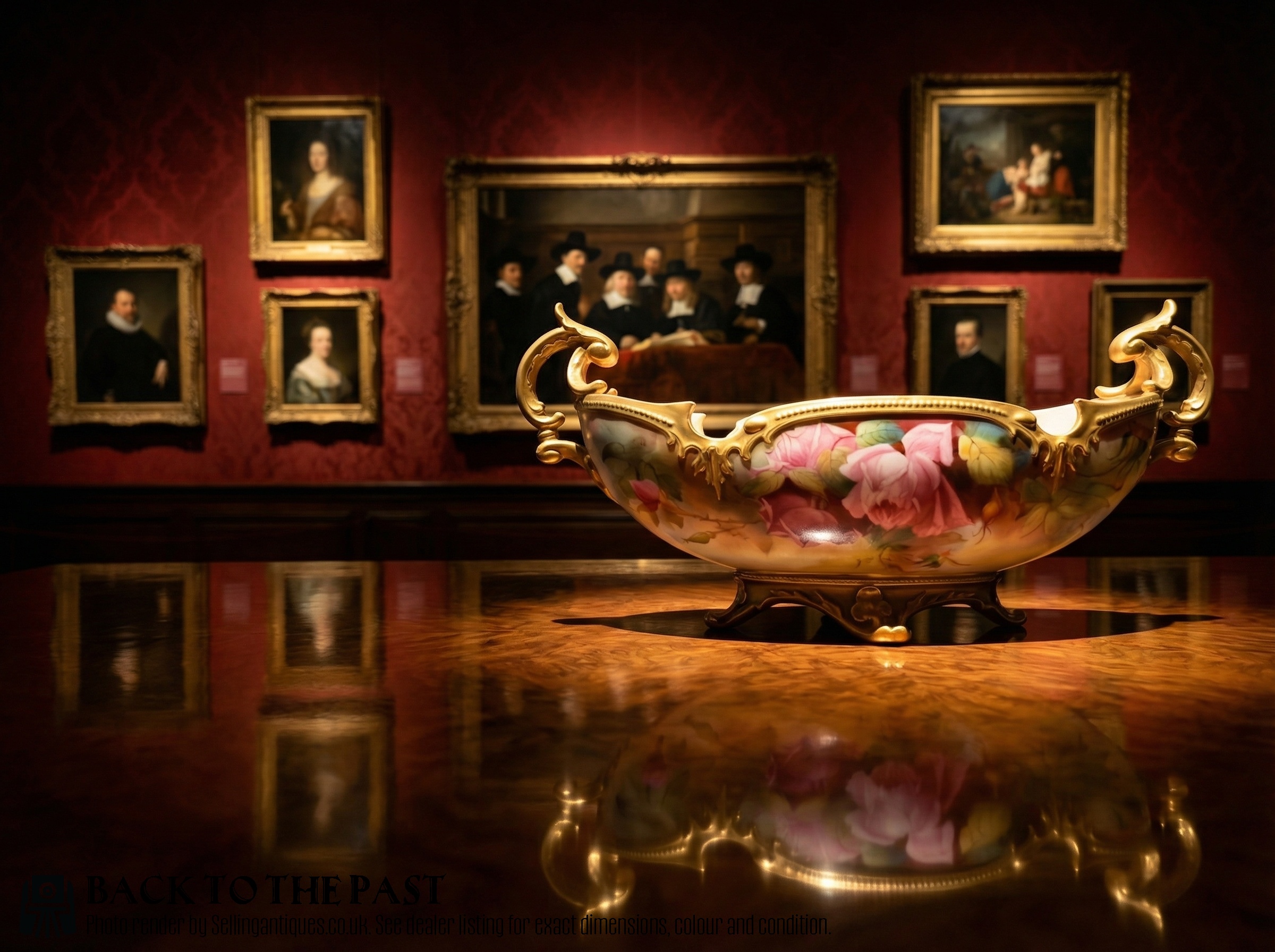
An edwardian gilt fruit bowl encompasses ornate centrepieces, cabinet dishes and pedestal comports created across the late nineteenth and early twentieth centuries. These vessels often combine porcelain or glass bodies with gilded mounts, presenting forms from boat-shaped bowls to pieces adorned with cherubs and putti.
Makers and manufacturers from English potteries to continental European workshops produced these decorative items during periods spanning Victorian, Edwardian, Art Nouveau and Art Deco tastes. Collectors encounter painted fruit scenes, lustre glazes and applied flowers alongside traditional floral patterns.
The objects served primarily as decorative fruit serving dishes, sugar bowls or grand table centrepieces designed to catch the light in formal dining rooms. Their diverse styles reflect the transition from ornate nineteenth-century revivals into early twentieth-century modernism.
Judging quality and craftsmanship
Quality rests in the precision of the hand-painting, particularly on pieces featuring botanical studies or fruit, where brushwork shows individual artistry. The crispness of cast gilt bronze mounts and the delicacy of applied ceramic flowers reveal the maker's skill.
The integrity of the gilding and the weight of the underlying porcelain or glass distinguish superior examples from standard production pieces. Preservation of original enamels and lustre finishes without restoration marks defines the standing of a vessel.
Edwardian Gilt Fruit Bowl Retail Price Guide 2026
Typical asking prices for edwardian gilt fruit bowl among the pieces listed under this phrase on Sellingantiques today, from the lower quarter to the upper quarter. They describe what is for sale here now, not the wider market.
Schierholz centrepieces frequently deploy cheerful porcelain cherubs who appear entirely unconcerned about holding up heavy fruit bowls.
Royal Doulton·Royal Worcester·Schierholz Plaue·Wedgwood
The Edwardian Gilt Fruit Bowl Glossary
- Gilt bronze
- An alloy of copper and zinc finished with a layer of gold to provide a bright metallic sheen. This material frequently forms the structural frames and decorative mounts for glass and ceramic bowls.
- Bone china
- A type of soft-paste porcelain incorporating bone ash to achieve high whiteness and translucency. English potteries utilised this body for fine cabinet dishes and fruit bowls.
- Lustre
- A ceramic glaze containing metallic oxides that produce an iridescent sheen upon firing. Wedgwood pieces frequently employ this technique to create vibrant, reflective surfaces.
- Comport
- A raised decorative dish or bowl standing on a pedestal base, designed for serving fruit or sweets at table. These pieces often feature painted interior scenes.
- Putti
- Depictions of chubby male infants, frequently winged, used as sculptural decorations in ceramic or bronze. Schierholz centrepieces often incorporate these figures around the bowl rim.
Edwardian Gilt Fruit Bowl: Frequently Asked Questions
How were these bowls used?
These vessels functioned primarily as centrepieces for formal dining tables, holding fruit or decorative arrangements to impress guests.
Smaller versions served as cabinet dishes or sugar bowls, displayed within glass-fronted furniture when not in active use.
Can I use them for fruit?
Most antique bowls hold fresh fruit safely, provided the interior glaze remains intact and free from chemical wear.
Hand washing prevents damage to delicate gilt edges, enamels and applied ceramic flowers.
How do I date an edwardian piece?
Makers' marks on the base of porcelain vessels provide the primary evidence for accurate dating and attribution.
Stylistic indicators, such as Art Nouveau curves or Art Deco geometries, help narrow the period of manufacture.
What causes the lustre shine?
Metallic oxides applied to the ceramic surface create the iridescent, reflective quality during a specialised kiln firing.
Different mineral combinations produce distinct orange, purple or diaper patterns across the glaze.
Are bronze mounts original?
Gilt bronze frames are typically cast specifically to fit the contours of the paired glass or ceramic bowl.
Secure seating and patination consistent with the estimated age indicate original assembly.