


Royal Worcester Dish
When you handle a royal worcester dish, you touch a century of English ceramic artistry crafted for formal dining and cabinet display.
Royal Worcester Dish
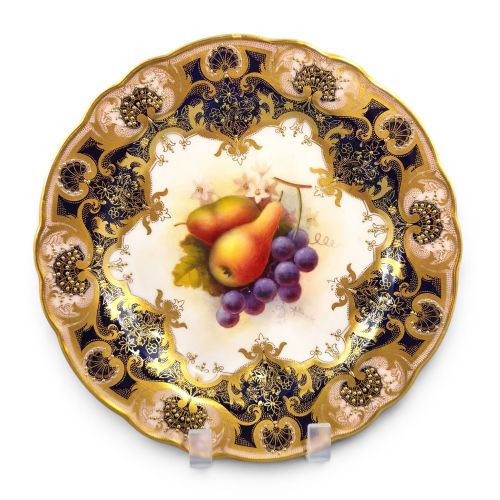
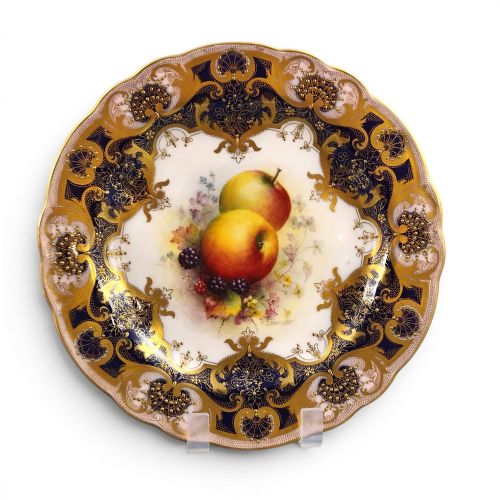
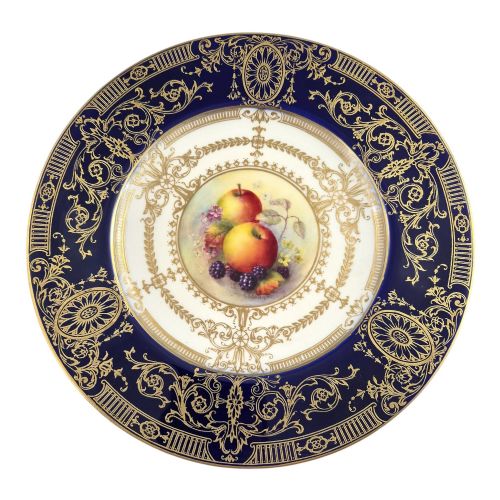
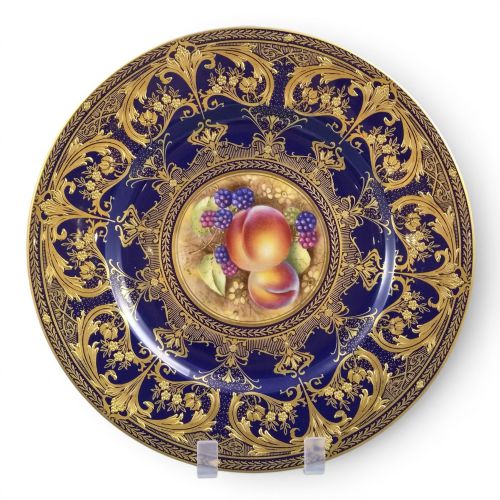
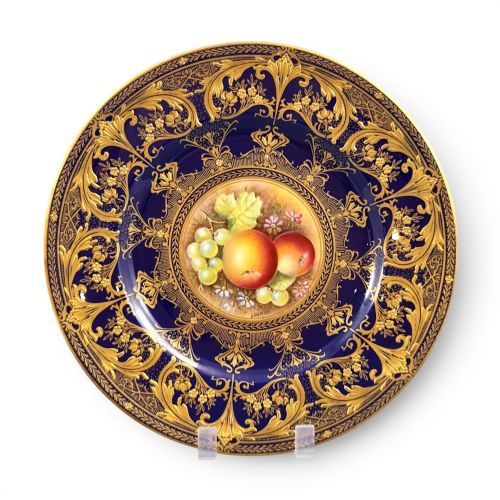
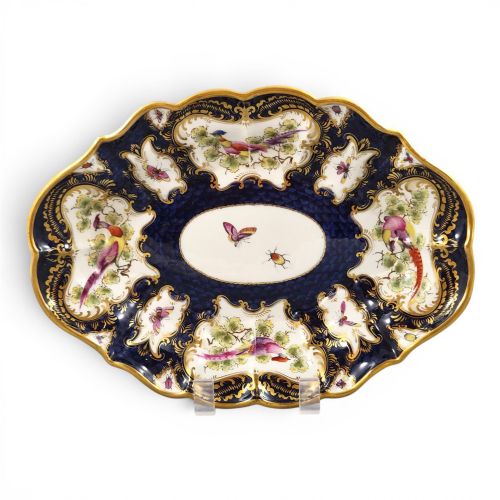
A royal worcester dish encompasses a diverse range of forms, from cabinet plates and dessert dishes to bon bon dishes and sweetmeat servers. These pieces span late Victorian, Edwardian, and mid-twentieth-century periods, capturing shifting tastes in domestic display.
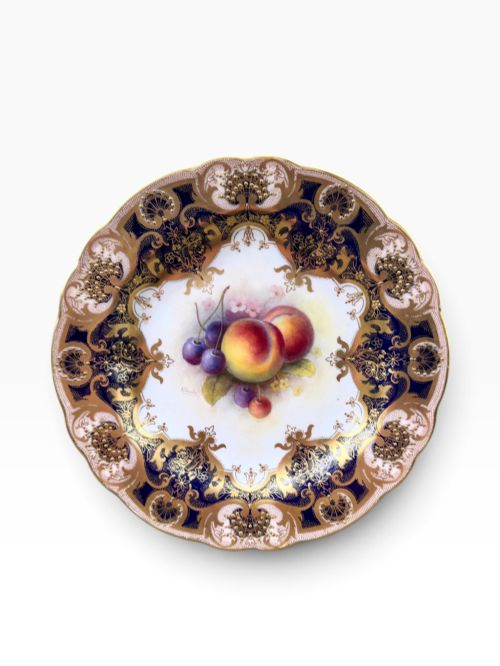
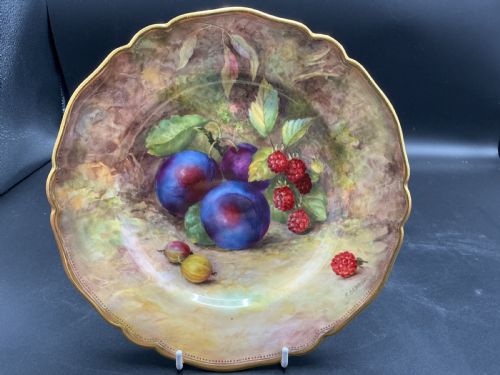
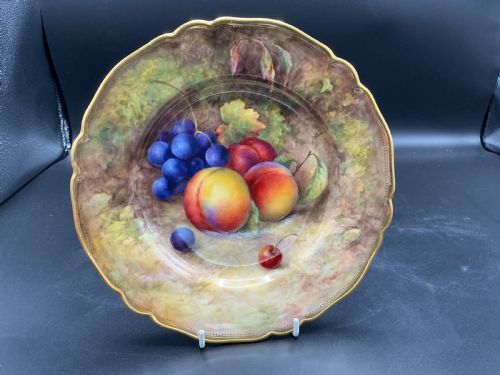
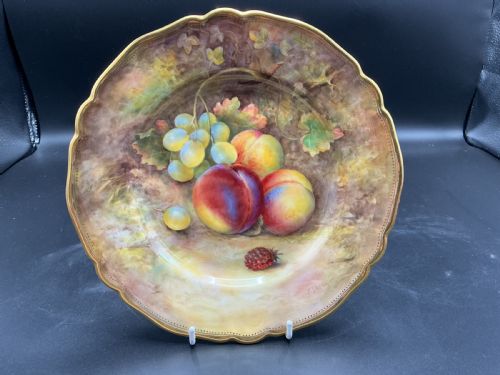
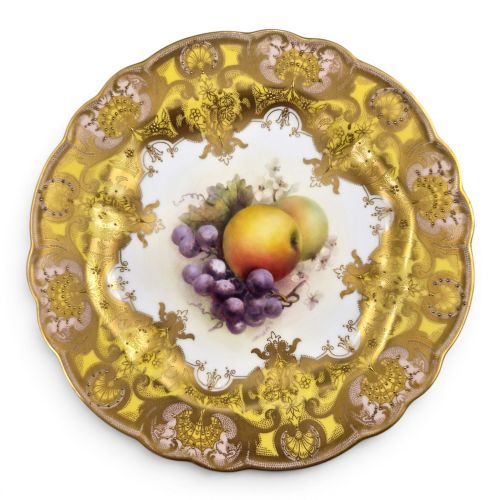
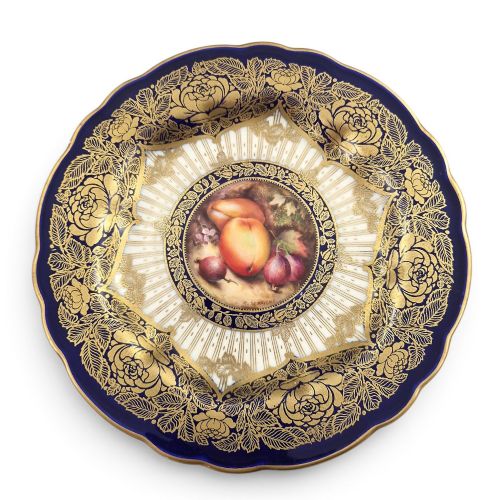
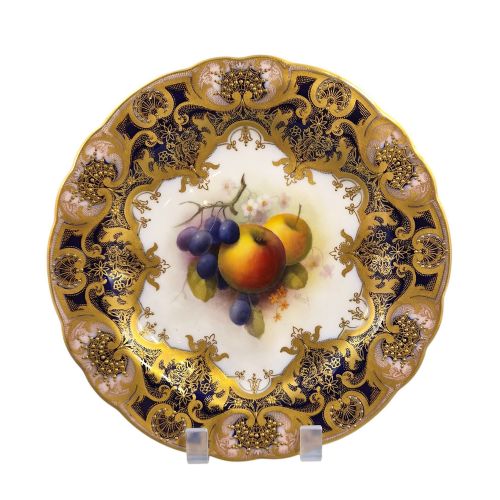
Painted fruit studies dominate the selection, alongside blush ivory grounds, floral sprays, and scenic depictions of birds and cattle. Buyers encounter both utilitarian table forms and purely decorative cabinet pieces designed to be shown rather than used.
Materials and Techniques
Makers utilised porcelain and fine bone china as the primary canvas, shaping them into plates, bowls, and shaped trays with rope or star edges. These bodies provided a smooth, uniform surface essential for detailed miniature painting.
Enamel paint and gold leaf or gilding completed the pieces, with artisans applying intricate hand-painted motifs finished with tooled gilt borders. Firing techniques ensured the permanence of the rich polychrome palettes seen across the eras.
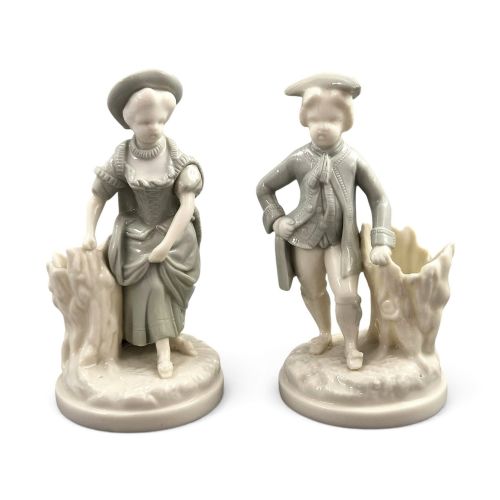
Some sweetmeat dishes feature cheerful porcelain figures holding baskets, turning a simple candy dish into a theatrical tablescape participant.
Judging Quality
Quality rests primarily on the skill of the painter and the complexity of the design, with signed works by known artists commanding distinct attention. The density and precision of the gilding, especially tooling and raised gold work, separate standard production from exceptional studio output.
The sophistication of the ceramic form itself, such as pierced edges, figural supports, or moulded shell handles, indicates the ambition of the piece. Crispness of detail in the painted subjects and the harmony of the overall composition distinguish the finest examples.
Grainger and Co·James Hadley·Barr Flight and Barr
The Royal Worcester Dish Glossary
- Cabinet Plate
- A decorative plate intended for display in a cabinet or on a wall rather than for everyday dining use. These often feature elaborate hand-painted scenes.
- Comport
- A raised dish or bowl used for serving fruit or sweets on a formal dining table. They frequently stand on a short pedestal or foot.
- Gilding
- The application of gold leaf or gold paint to ceramic surfaces. Tooled gilding involves pressing patterns into the gold after application.
- Sweetmeat
- A small dish designed for holding confectionery, nuts, or dried fruits. They often take imaginative forms such as shells or baskets held by figures.
Royal Worcester Dish: Frequently Asked Questions
How do I date a royal worcester dish?
Dating relies heavily on the printed factory backstamps found on the underside of the porcelain, which changed systematically over the decades. Shape numbers, pattern codes, and occasionally artist signatures or dates written in paint provide further chronological clues.
Comparing the style of decoration, such as late Victorian blush ivory versus Edwardian painted fruit, helps narrow the production window when backstamps are worn.
Were these dishes meant for food?
While many forms originated as functional tableware like dessert dishes, soup dishes, and sugar bowls, many survived precisely because they were treated as ornaments. Cabinet plates and decorative trays were manufactured specifically for visual display in drawing rooms.
Using antique painted porcelain for serving food today is generally discouraged to prevent wear to the delicate enamel paints and gilding.
What is blush ivory?
Blush ivory is a signature ceramic finish developed by the factory in the late Victorian era, characterised by a warm, creamy matte background. It mimics the appearance of ivory and provides a muted tone for delicate floral transfers or hand-painted sprays.
Pieces with this finish often incorporate subtle gilding along the shaped rims and handles to accentuate the organic contours.
How should I display my dish?
Displaying these pieces safely involves using sturdy plate hangers designed for wall mounting or stable plate stands secured inside enclosed cabinets. Protecting them from direct sunlight prevents the delicate enamel colours and hand-painted fruit studies from fading over time.
Keeping them away from high-traffic areas ensures the raised gilding and fragile edges remain free from accidental knocks.