

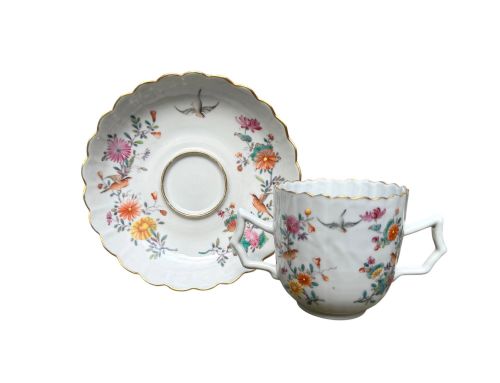
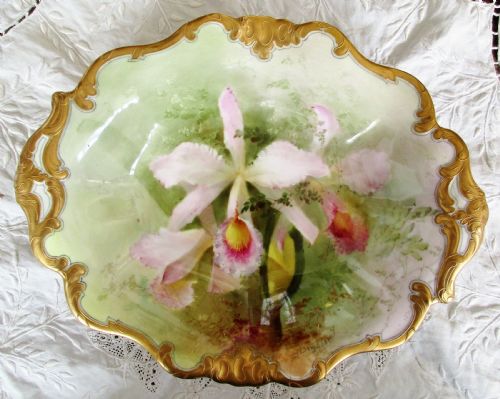
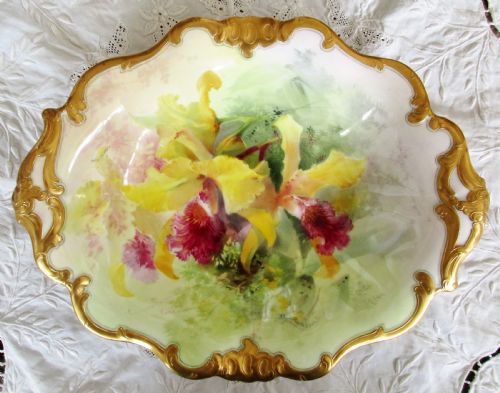


Gilt Rim Ceramic Bowl
These gilt rim ceramic bowl pieces bring centuries of hand-painted porcelain and refined tableware straight to your dining room.
Gilt Rim Ceramic Bowl
A gilt rim ceramic bowl sits firmly within the broader tradition of decorative and functional tableware, spanning cabinet dishes, punch bowls, and delicate saucer sets. When you search for a gilt rim ceramic bowl, you encounter diverse forms ranging from eighteenth-century Chinese export porcelain to early twentieth-century English bone china.
The pieces listed on this page include nineteenth-century Japanese Satsuma ware, traditional English cabinet dishes, and robust punch bowls adorned with motifs such as orchids and American eagles. Most examples on offer lean towards British and Asian porcelain traditions from the eighteenth to the early twentieth century.
Makers represented in this selection range from historic factories like Royal Worcester and Doulton Burslem to anonymous traditional artisans. Each item serves either as a functional vessel for dining or a cabinet display piece meant to catch the light along its gilded edge.
How they were made
Makers shaped these items using fine porcelain and bone china, forming them into bowls, soup dishes, and shell-shaped cabinet pieces. Artisans then applied enamel paints by hand to create floral sprays, intricate foliage, and figurative scenes.
Gold leaf and gilding were meticulously painted or applied along the rims and borders to frame the central design. Firing in kilns set the enamel pigments permanently into the ceramic body, ensuring the metallic lustre endured.
Gilt Rim Ceramic Bowl Retail Price Guide 2026
Typical asking prices for gilt rim ceramic bowl among the pieces listed under this phrase on Sellingantiques today, from the lower quarter to the upper quarter. They describe what is for sale here now, not the wider market.
Listings span the eighteenth, nineteenth, and early twentieth centuries, featuring porcelain, bone china, enamel, and gold leaf.
What varies in quality
Quality in these items depends on the precision of the hand-painted brushwork and the preservation of the gold leaf along the rim. Finer examples display crisp, detailed botanical or figurative motifs rather than simple stencilled patterns.
The purity of the porcelain body and the evenness of the glaze also separate standard tablewares from high-end cabinet pieces. Well-preserved gilding without excessive rubbing indicates careful handling over the decades.
David Dewsberry·Royal Doulton·Doulton Burslem·Royal Worcester·Grainger And Co
The Gilt Rim Ceramic Bowl Glossary
- Cabinet dish
- A decorative ceramic plate or bowl made primarily for display in a cabinet rather than for daily dining use.
- Gilding
- The application of gold leaf or gold dust to the ceramic surface, typically concentrated around the rim to create a bright metallic border.
- Famille rose
- A palette of opaque enamel colours dominated by pink, introduced to Chinese porcelain during the eighteenth century.
- Bone china
- A type of soft-paste porcelain containing bone ash, known for its high strength, chip resistance, and translucent quality.
- Satsuma ware
- Japanese earthenware featuring a crackle glaze and elaborate polychrome enamel decorations enhanced with gold.
Gilt Rim Ceramic Bowl: Frequently Asked Questions
Are these bowls safe for serving food?
Most eighteenth and nineteenth-century cabinet pieces were intended for display or light service, though many robust porcelain bowls remain structurally sound for dining.
Check individual listings for signs of wear or historical repairs before using any antique vessel with food or liquid.
How do I identify the period of a bowl?
Look for factory backstamps underneath the base, as well as stylistic clues such as hand-painted floral sprays or Japanese Satsuma crackle glazes.
Comparing the painting style and porcelain weight to documented pieces from makers like Royal Worcester often reveals the manufacturing decade.
What is the difference between porcelain and bone china?
Traditional porcelain uses fine white clay fired at high temperatures, resulting in a dense and resonant material favoured in early Chinese and European wares.
Bone china incorporates animal bone ash into the mixture, creating a lighter, slightly translucent body that became a staple of English factories.