



Polychrome Plant Stand
These polychrome plant stands bring vibrant colour and carved form into a room, holding your pots and jardinieres aloft with distinct historical character.
Polychrome Plant Stand
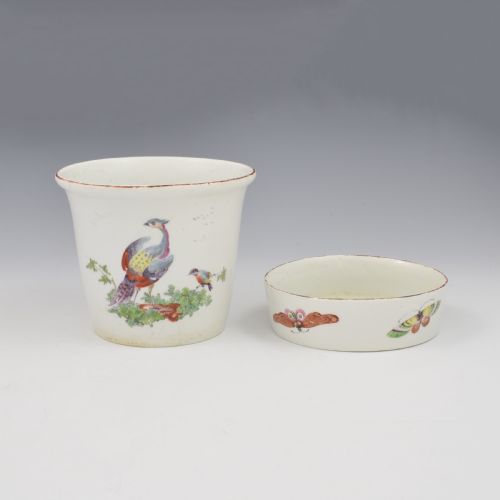
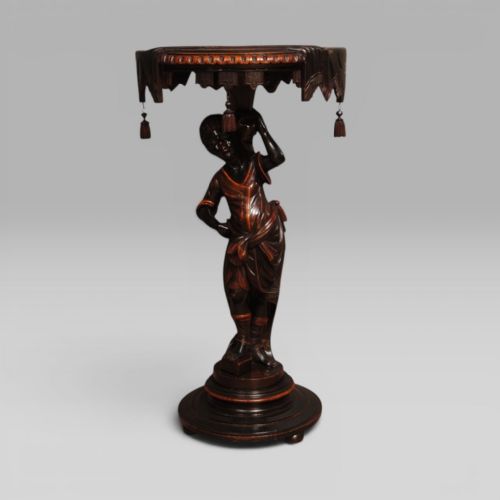
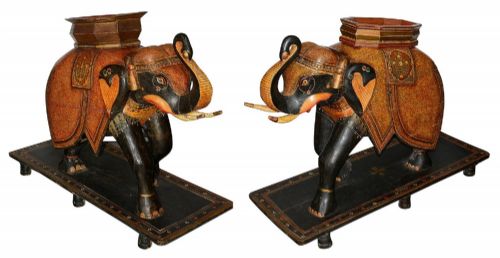
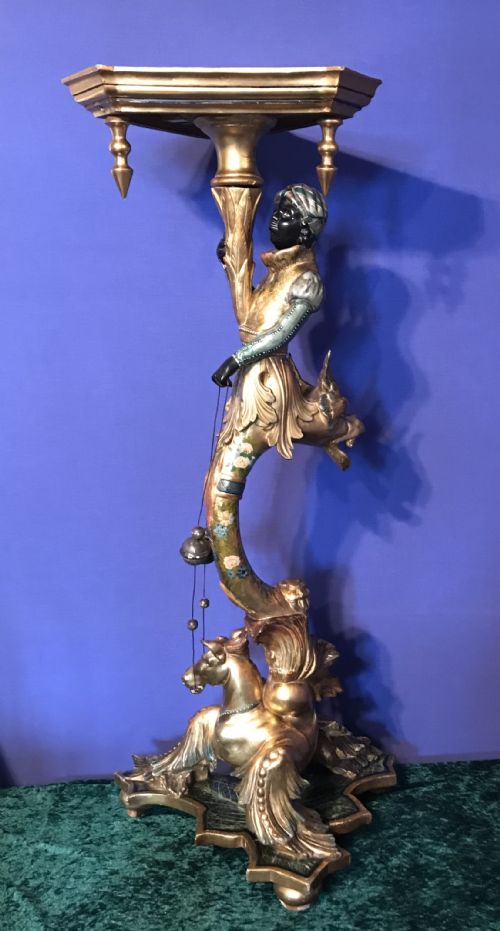
When you search for a polychrome plant stand, you encounter a striking mix of nineteenth and eighteenth century furnishings designed to elevate greenery and decorative objects. The pieces on this page span diverse cultural traditions, ranging from Venetian figural pedestals to Chinese porcelain garden seats and Kashmiri carved elephants.
Forms vary from side tables and torchere pedestals to figural stands and garden seats, each finished with bright painted decoration. You are most likely to meet carved wood figures holding stands or ceramic garden seats patterned in rich enamel palettes.
How They Were Made
Makers shaped these stands primarily from carved wood, padouk, and porcelain, applying layers of gesso, gold leaf, and polychrome paint to achieve their brilliant surfaces. Skilled hands utilised lacquer and enamel techniques to decorate ceramic bodies and wooden forms alike.
The combination of carved detail with applied pigments creates the textured, colourful finish seen across Venetian and Asian pieces. Artisans built structural integrity into pedestals and tables while maintaining elaborate figural and floral motifs.
The object types on this page include garden seats, side tables, torchere pedestals, and figural sculptures holding trays or shells.
What Varies in Quality
The distinction between ordinary and exceptional pieces rests upon the precision of the carving and the preservation of the original polychrome paint. Finer examples display crisp detail in the wooden figures or porcelain moulding, showing deeper skill in the execution of the design.
Condition of the surface decoration and the integrity of the underlying material largely dictate the standing of a piece. Original paint layers and gilding that remain intact without heavy restoration elevate the visual power of the stand.
The Polychrome Plant Stand Glossary
- Polychrome
- Decorated in a variety of colours. This term describes objects featuring multiple painted or enamelled hues across their surfaces.
- Torchere
- A tall ornamental stand or candlestick. In this context, it functions as an elevated pedestal for plants or decorative vessels.
- Cloisonne
- Enamelling technique where compartments are created by soldering wire onto a metal body. These cells are then filled with coloured paste and fired.
- Pedestal
- An architectural support or base for a statue, vase, or plant. These pieces lift items to eye level for greater display impact.
- Jardiniere
- An ornamental pot or stand for plants. They often sit atop matching pedestals or tables to form a complete display unit.
Polychrome Plant Stand: Frequently Asked Questions
What is a polychrome plant stand?
A polychrome plant stand is a brightly painted or enamelled pedestal, table, or figural support designed to hold plants, jardinieres, or decorative objects. These items serve both a functional purpose and an ornamental role in interior spaces.
Originating from various periods including the eighteenth and nineteenth centuries, they incorporate styles ranging from Venetian figural carving to Chinese porcelain design.
Where should I place a plant stand?
These stands suit corners of reception rooms, hallways, or conservatories where a vertical accent is needed to display greenery or porcelain vessels. Their colourful finishes allow them to act as focal points in a room.
Ensure the placement protects the painted or gilded surfaces from direct moisture and heavy foot traffic to preserve the historical finish.
How do I care for painted wooden stands?
Care for painted and gilded wooden stands involves dusting gently with a dry, soft cloth and avoiding chemical polishes that can damage old pigments. Keeping them away from direct sunlight and sudden temperature changes protects the gesso and paint.
Prudence with moisture is essential since standing water from plant pots can harm both ceramic and wooden surfaces over time.
How do I identify eighteenth century pieces?
Identifying eighteenth century pieces relies on examining the construction methods, material ageing, and stylistic markers specific to eras like the Georgian period or earlier Asian dynasties. Hand-carved elements and early porcelain bodies show distinct physical characteristics.
Comparing the pigment application and wear patterns with documented examples from the same era helps confirm the period of manufacture.