

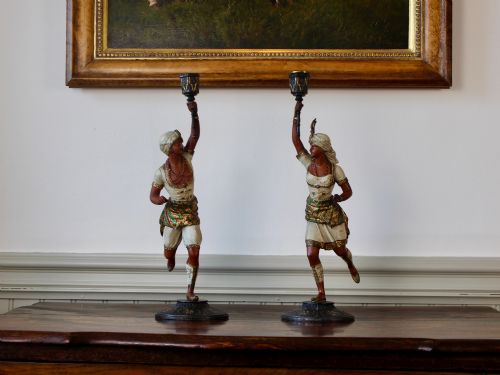


Antique Orientalist Table
These pieces capture the ornate artistry of antique orientalist table design, offering collectors intricate inlaid patterns and exotic forms from past centuries.
Antique Orientalist Table
An antique orientalist table brings diverse global aesthetics into domestic spaces through forms such as occasional tables, side tables, and games tables. These pieces draw upon Moorish Revival, Mamluk Revival, and Anglo-Indian design traditions spanning the nineteenth and early twentieth centuries.
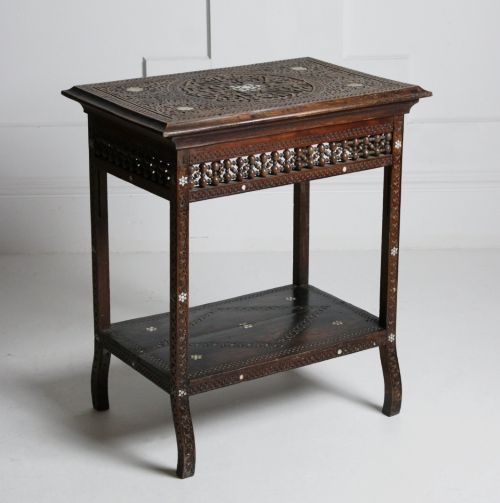
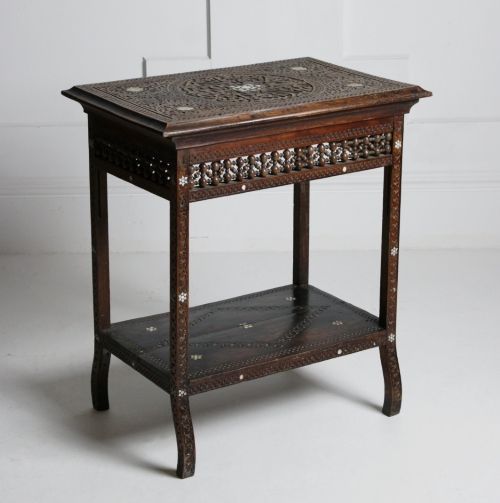
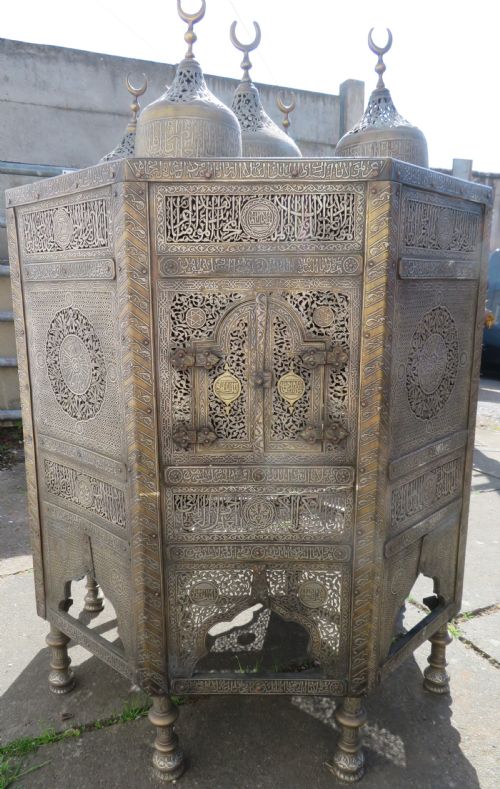
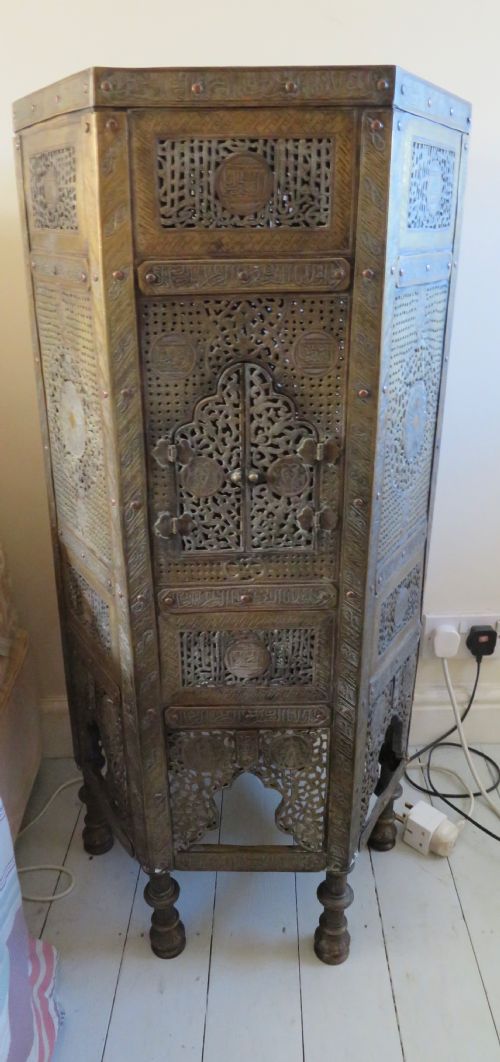
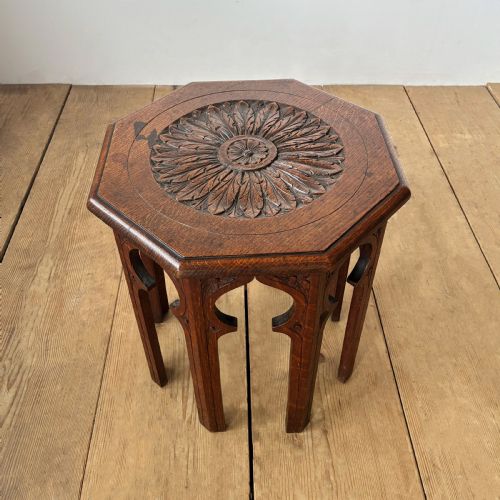
Buyers commonly encounter low hexagonal tables, two-tier Syrian tables, and octagonal occasional tables originating from Cairo, Damascus, and Kashmir. Many incorporate intricate woodwork alongside metalwork forms like the traditional kursi stand.
Makers and retailers such as Liberty and Co shaped the market by offering these exotic furnishings to British homes during the Aesthetic Movement and late nineteenth century. Such tables served as striking focal points in drawing rooms and parlours.
How They Were Made
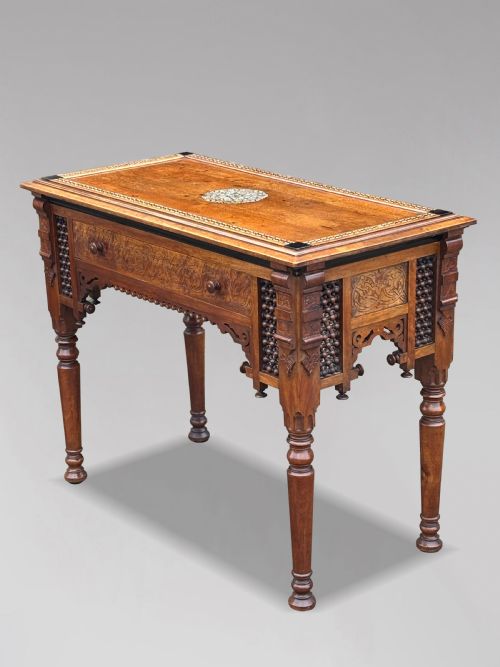
Artisans constructed these tables using a foundation of hardwoods like walnut, mahogany, and ebonised wood, overlaid with meticulous geometric decoration. Workshops applied delicate inlay techniques utilising bone, mother-of-pearl, and contrasting light woods to create shimmering surface patterns.
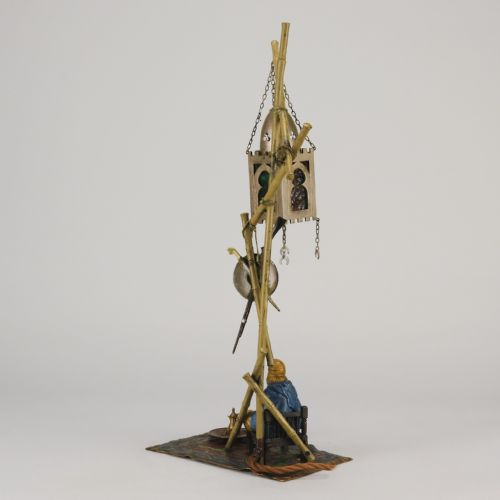
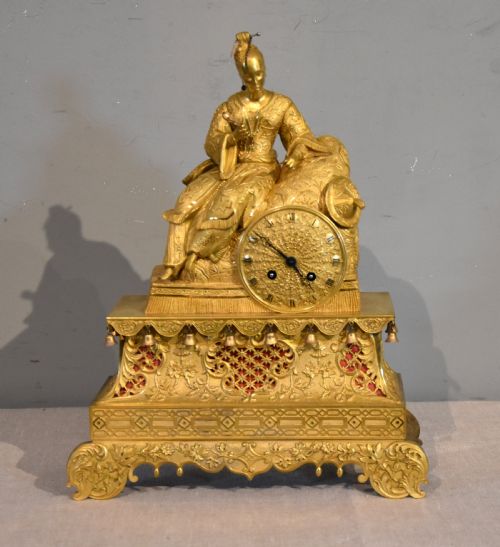
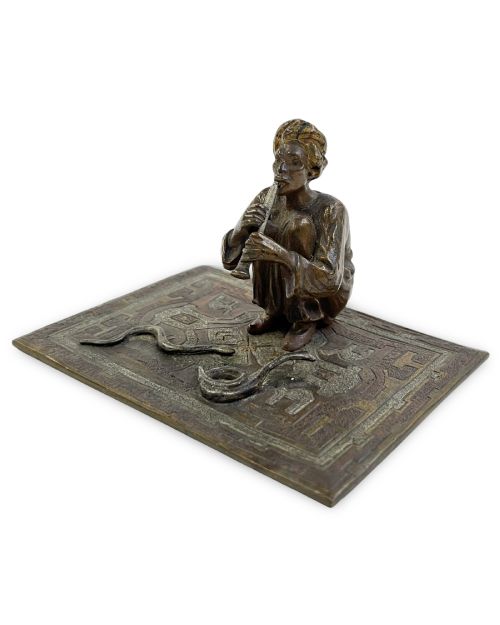
Metalwork versions demonstrate advanced craftsmanship through Cairoware techniques, hammering brass, copper, and white metal before inlaying them with silver and gold. Cold-painted bronze and spelter also appear in figural and structural elements.
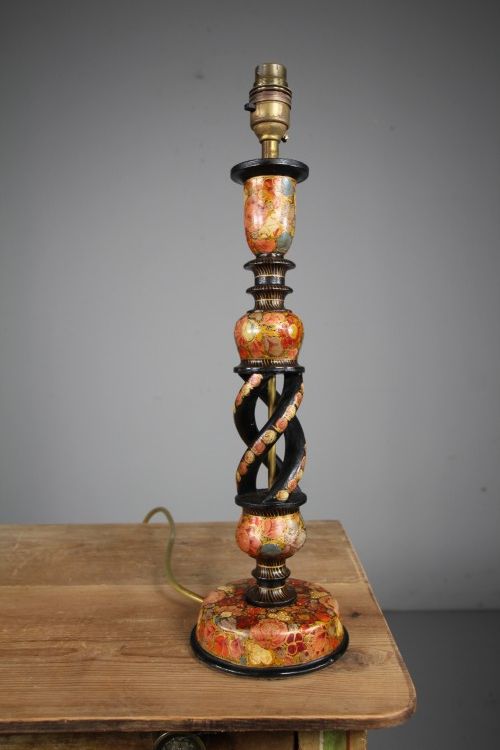
Surface finishes range from natural polished timber to rich black lacquer and ochre paint, sometimes incorporating hand-painted detailing. Openwork fretwork and pierced metal panels further define the structural complexity of these furnishings.
Some tables double as chess boards, proving that nineteenth-century diplomacy occasionally involved serious board games.
What Varies in Quality
The density and precision of the inlay work distinguish finer examples from simpler production pieces, particularly where bone and mother-of-pearl meet the timber base. Superior tables display tight, seamless geometric tessellation without excessive filler in the gaps.
Metal components show variation in the depth of engraving and the richness of the silver and gold inlay applied to brass or copper bases. Well-preserved patination on cold-painted bronzes and original lacquering also elevate an object's integrity.
Structural rigidity in multi-tiered or folding occasional tables indicates robust original construction rather than later repairs. The fidelity of the revival style - whether Moorish, Mamluk, or Anglo-Indian - reflects the maker's artistic ambition.
Franz Bergman·Liberty and Co·John Davenport·Argilor
The Antique Orientalist Table Glossary
- Cairoware
- Metalwork originating from Cairo featuring intricate silver and gold inlay on brass or copper bases. This technique produced highly ornate vessels and occasional furniture.
- Kursi
- A traditional low stand or table often used for supporting sacred texts like the Quran. These hexagonal or octagonal pieces form a distinct category of orientalist furniture.
- Moorish Revival
- An architectural and decorative style popular in the nineteenth century that reinterpreted Islamic design elements. It incorporates horseshoe arches, intricate fretwork, and dense geometric inlay.
- Aesthetic Movement
- A late nineteenth-century British design movement prioritising visual beauty over narrative or moral function. It embraced exotic influences including Japanese and Middle Eastern motifs.
- Cold-Painted Bronze
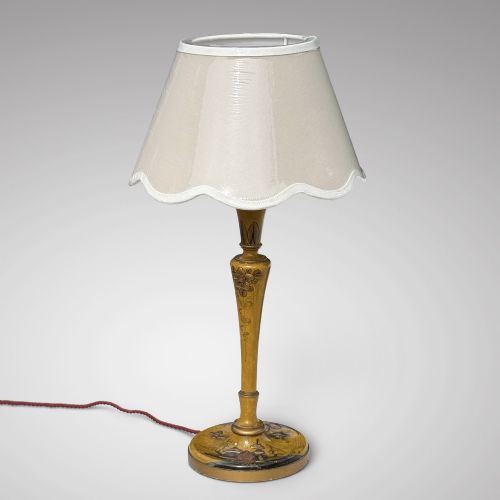
- Bronze sculpture finished with oil-based paint that is left to dry naturally rather than fired in a kiln. This method allows for subtle polychrome detailing on figures and lamps.
Antique Orientalist Table: Frequently Asked Questions
How do I identify Moorish Revival furniture?
Moorish Revival furniture is recognisable through dense geometric inlay, mother-of-pearl accents, and pierced woodwork. These pieces often take octagonal or hexagonal forms designed to catch the eye.
Originating in the nineteenth century, this style reflects European fascination with North African and Middle Eastern design. Makers utilised dark timbers to contrast sharply against pale bone and shell ornamentation.
Where were these tables used originally?
In nineteenth and early twentieth-century homes, these tables functioned primarily as occasional pieces in reception rooms, smoking rooms, and studies. Their exotic aesthetic suited the Victorian taste for eclectic interior decoration.
Owners often placed them beneath lamps or used them to display decorative objects such as bronzes and ceramics. Their compact proportions made them versatile for placement beside seating.
How do I care for inlaid wooden tables?
Inlaid wooden tables require stable indoor humidity to prevent the timber from warping and the delicate bone or mother-of-pearl elements from loosening. Gentle dusting with a dry microfibre cloth preserves the intricate surface.
Avoid applying modern liquid polishes that can seep into the openwork joints and degrade old adhesives. Waxing should be done sparingly and only on unlacquered wooden surfaces.