



Venetian Carved Table
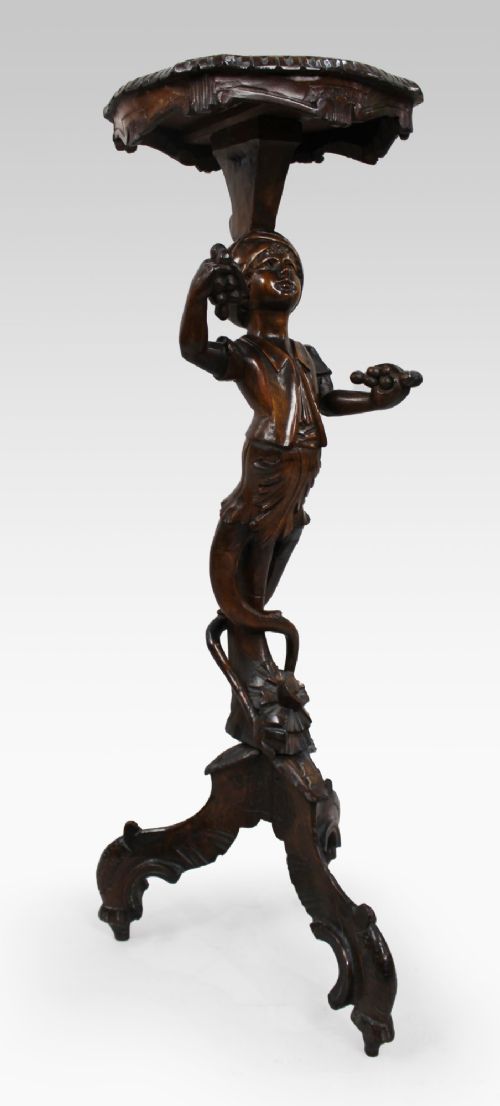
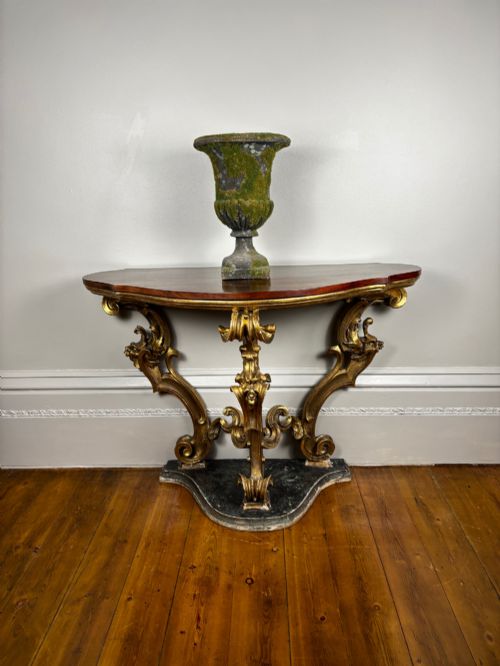
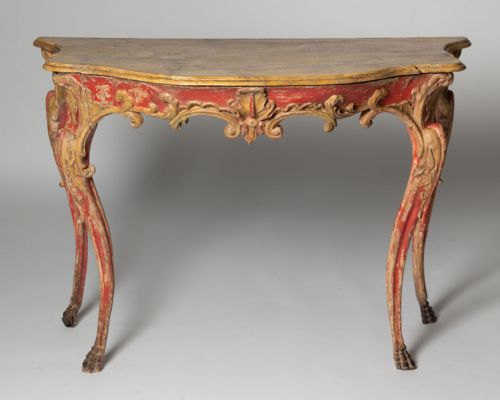
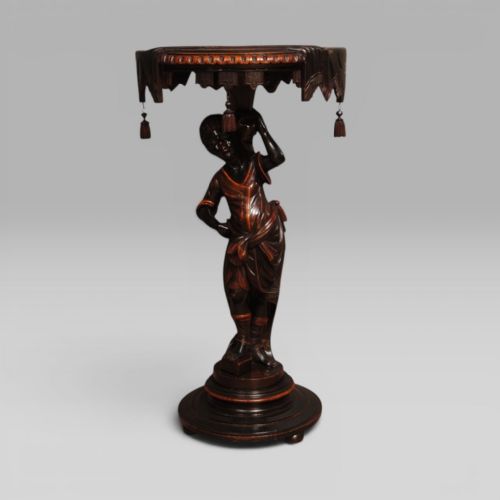
These venetian carved table examples combine theatrical figures and giltwood surfaces, offering a dramatic focal point for an interior.
Venetian Carved Table
A venetian carved table brings together centuries of Italian craftsmanship, ranging from eighteenth-century console tables to later plant stands and pedestals. Buyers searching for a venetian carved table encounter forms such as serpentine console tables, figural stands, and tray top tables. The selection includes pieces spanning the eighteenth, nineteenth, and early twentieth centuries.
Console tables and side tables dominate the offerings, often featuring elaborate giltwood or polychrome finishes. Makers utilised traditional forms associated with Venetian Baroque and Rococo styles, alongside later revival pieces. These objects serve as functional furniture and sculptural statements within a room.
How They Were Made
Artisans carved solid wood, often walnut, to shape complex figures and structural supports before applying gesso and gold leaf or paint. Polychrome paint finishes were layered onto the carved wood surfaces to create rich, coloured details on figural bases like Blackamoor stands.
Giltwood treatments required meticulous preparation of the gesso base to accept burnished gold leaf. Marble tops frequently topped serpentine console tables, contrasting with the ornate carved wooden bases below.
Several stands double as steadfast companions for your indoor ferns, holding up heavy pots with permanent expressions of polite astonishment.
What Varies in Quality
The sophistication of the carving dictates the distinction between standard production and masterwork pieces. Fine anatomical detailing in figural supports and crisp execution of rococo scrollwork elevate certain examples above simpler alternatives.
The integrity of the original surface finish, whether polychrome paint or gold leaf, heavily influences the character of each piece. Surviving historic gilding and untouched painted decoration show superior preservation compared to heavily restored surfaces.
Pauly et Cie
The Venetian Carved Table Glossary
- Giltwood
- Wood that has been coated with gold leaf or gold dust. This finish appears frequently on eighteenth-century console tables and decorative bases.
- Polychrome
- Decorated in multiple colours. This technique defines the painted surfaces found on many figural stands and tables.
- Console table
- A table designed to stand against a wall, frequently supported by ornate brackets or carved figures.
- Gesso
- A plaster mixture used as a smooth base for paint or gold leaf on carved wooden objects.
Venetian Carved Table: Frequently Asked Questions
Where do I put a console table?
These tables traditionally sit against a hallway or living room wall beneath a mirror or artwork. Their flat tops provide space for display objects while the decorated bases remain visible.
Because many examples feature finished backs or sides designed for prominent placement, they work well in entrance halls or principal reception rooms.
How do I clean giltwood surfaces?
Dust giltwood gently with a soft, dry brush to prevent damage to the delicate gold leaf layer. Avoid liquid cleaners and chemical sprays entirely.
Professional conservation is recommended for any deeper cleaning or stabilization of historic gesso and carved wooden elements.
What is a Blackamoor figure?
Blackamoor sculptures depict stylised human figures, often serving as structural supports for tables, torchieres, or plant stands. These pieces reflect historic Venetian design motifs from the eighteenth and nineteenth centuries.
Artists typically rendered these figures in carved and polychromed wood, sometimes accented with gilded clothing and turbans.
How do I date a carved table?
Dating relies on examining the construction methods, tool marks, and the ageing of the underlying gesso and wood. Stylistic markers such as Venetian Baroque or Neoclassical elements also point to specific production eras.
Comparing the wear patterns on the base and the material of the top helps establish whether the piece originates from the eighteenth, nineteenth, or early twentieth century.