
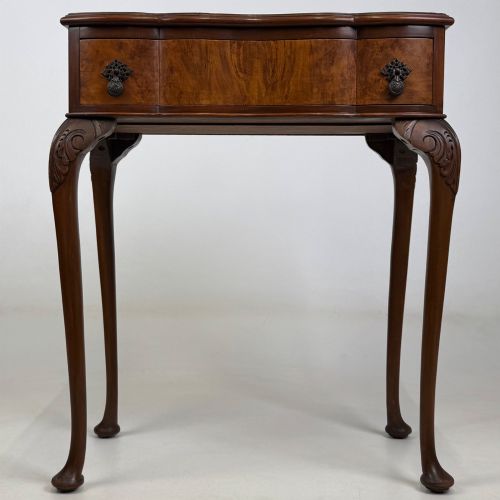
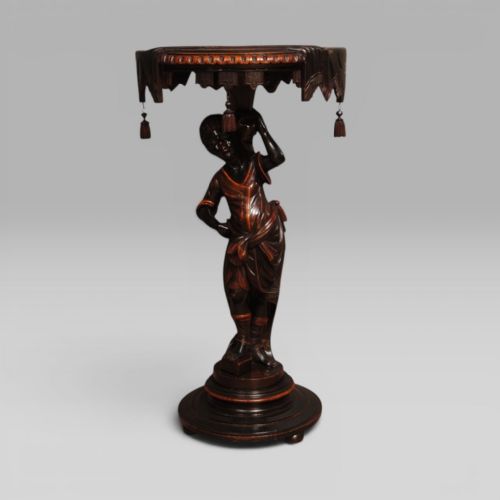


Figural Side Table
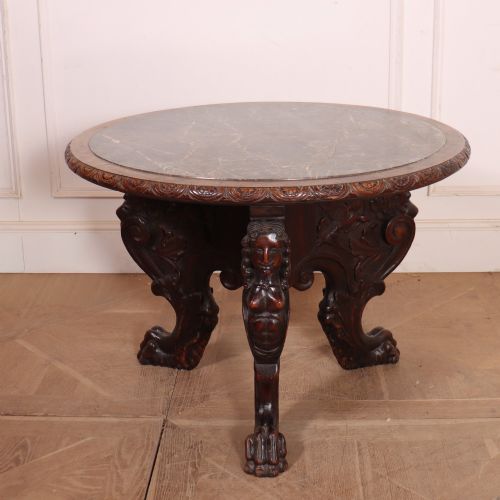
A figural side table brings human and animal forms into practical surface furniture, offering both utility and character to a room.
Materials and construction
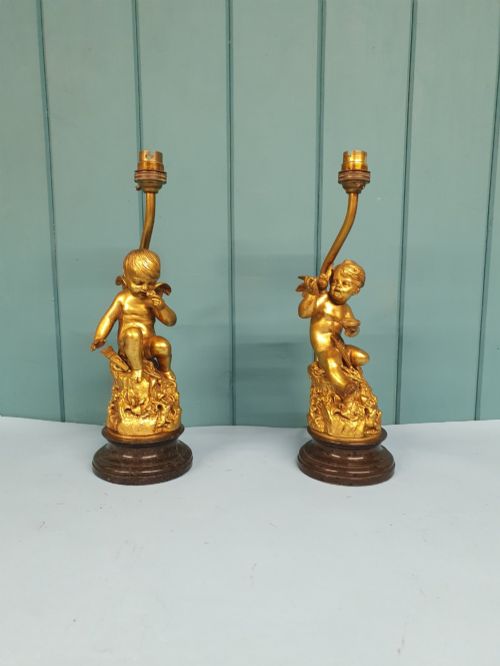
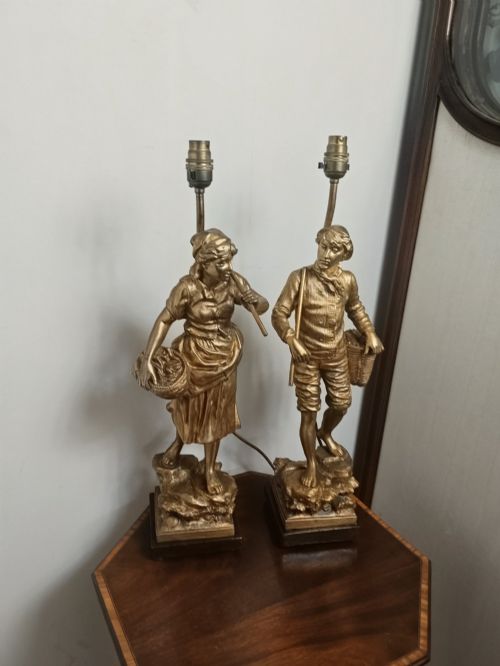
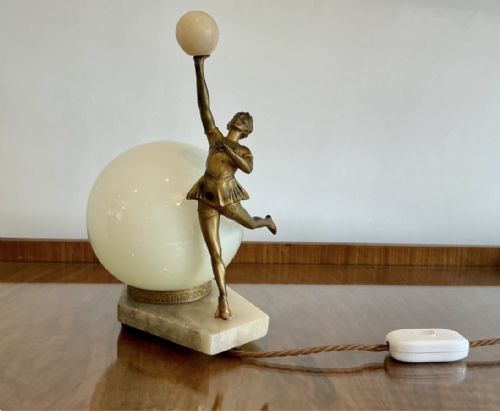
Makers utilised a combination of cast metals, carved timbers, and stone bases to construct these pieces. Bronze, brass, and chrome provide the structural support or sculptural figures for many of the twentieth-century table lamps, frequently mounted on marble, china, or wood bases.
Carved wood and hardwood form the basis of the nineteenth-century stands and tables, incorporating polychrome paint, gilding, and marquetry details. Glass and fabric appear primarily in the shades and decorative elements of the lamp iterations, such as Baccarat frosted glass figurines.
Assessing quality in figural works
The standard of execution in the casting or carving of the figure dictates the success of the piece. Superior examples display precise anatomical detail, clean chasing in bronze and brass, and sophisticated surface patination or polychrome application.
The integration between the sculptural element and the utilitarian surface defines the craftsmanship. Finer works ensure the figure harmonises structurally with the marble, wood, or glass components rather than appearing as an afterthought.
Materials employed across the inventory include bronze, brass, marble, carved hardwood, and frosted glass.
E Rousseau·Aug. Moreau
The Figural Side Table Glossary
- Polychrome
- Painted in several colours. This surface treatment appears on carved wooden figures to enhance decorative depth.
- Marquetry
- The art of applying pieces of veneer to a structure to form decorative patterns. This technique surfaces on neoclassical bedside cabinets.
- Baccarat
- A French manufacturing company renowned for luxury crystal and glass. Their frosted glass figurines form part of early twentieth-century table lamp designs.
- Neoclassical
- A style inspired by classical antiquity that influenced nineteenth and twentieth-century furniture and decorative arts. It prioritises symmetry and restrained ornamentation.
- Putti
- Depictions of chubby male children, often winged, originating in classical art. They appear frequently in nineteenth-century bronze and brass lamp bases.
Figural Side Table: Frequently Asked Questions
What defines a figural side table?
A figural side table integrates human, animal, or mythical forms directly into the framework of the furniture or lighting object. These pieces use the sculptural figure as the primary support or decorative column.
They bridge the gap between utility and sculpture, functioning as display stands, bedside cabinets, or illuminated tables.
How do I date a figural lamp?
Dating relies on observing the stylistic markers of periods such as Art Deco, Art Nouveau, or the Victorian era. Materials like chrome and specific casting techniques point toward the twentieth century.
Earlier nineteenth-century pieces often feature hand-carved wood, heavy bronze casting, or neoclassical revival motifs that reflect the craftsmanship of their decade.
Where were these pieces made?
Origin points span across Europe and beyond, with distinct contributions from French workshops, Italian carvers, and Venetian artisans. Pieces also reflect global influences such as Anglo-Indian and African tribal carving traditions.
Each region brought native materials and specific regional styles to the creation of figural furniture and lamps.
How should I clean a bronze lamp?
Cleaning requires a gentle approach to preserve the original patination and finish of the metal or carved wood. Dusting with a soft, dry cloth prevents the buildup of grime without harming delicate surfaces.
Avoid chemical polishes or abrasive materials that can strip away historic patination or damage polychrome and gilded details.