

Antique Italian Pedestal
When you search for an antique italian pedestal, you encounter carved wood, classical marble columns, and figural stands shaped by centuries of craftsmanship.
Antique Italian Pedestal
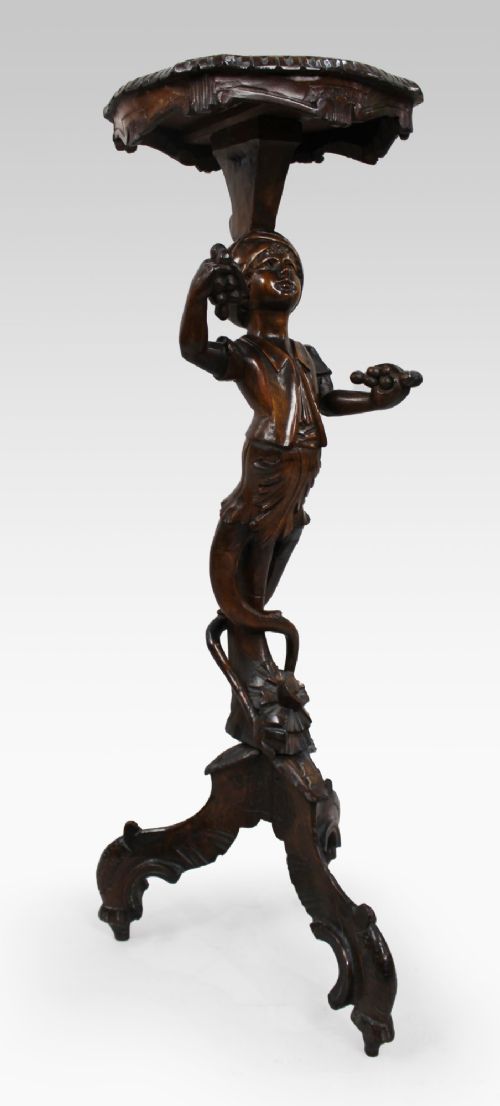
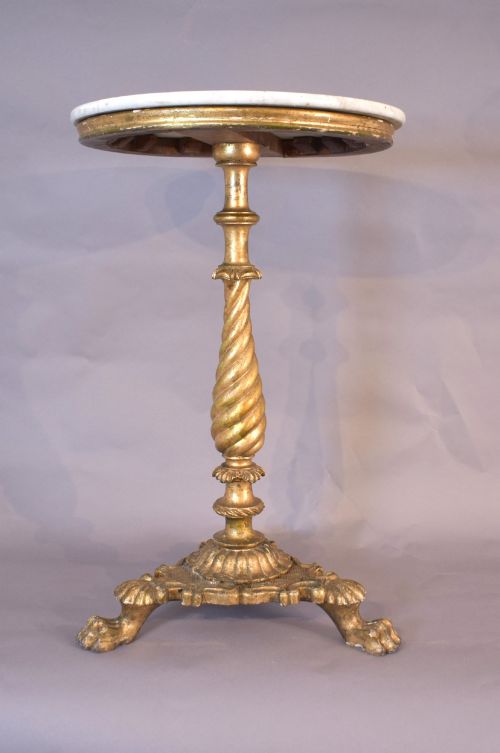
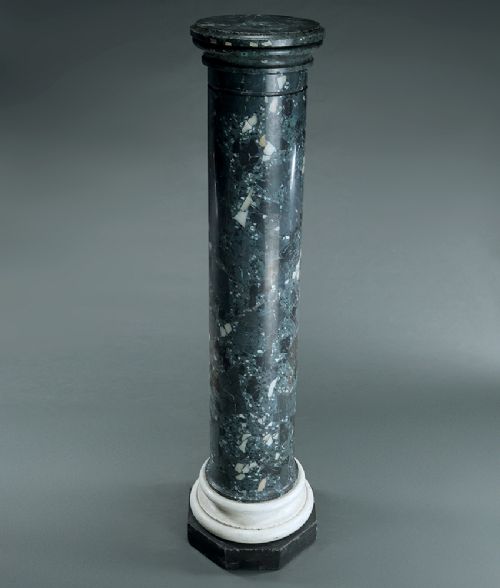
An antique italian pedestal encompasses sturdy architectural columns, figural stands, and ornate torchiere bases designed to elevate sculpture, urns, or plants. The selections here include carved walnut stands, variegated marble columns, and painted surfaces originating from Venetian and regional workshops.
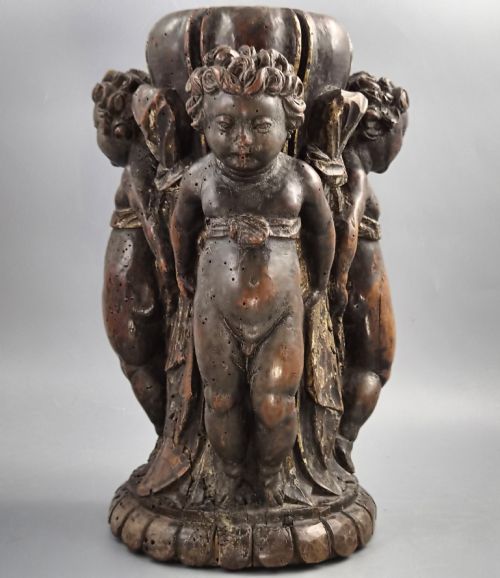
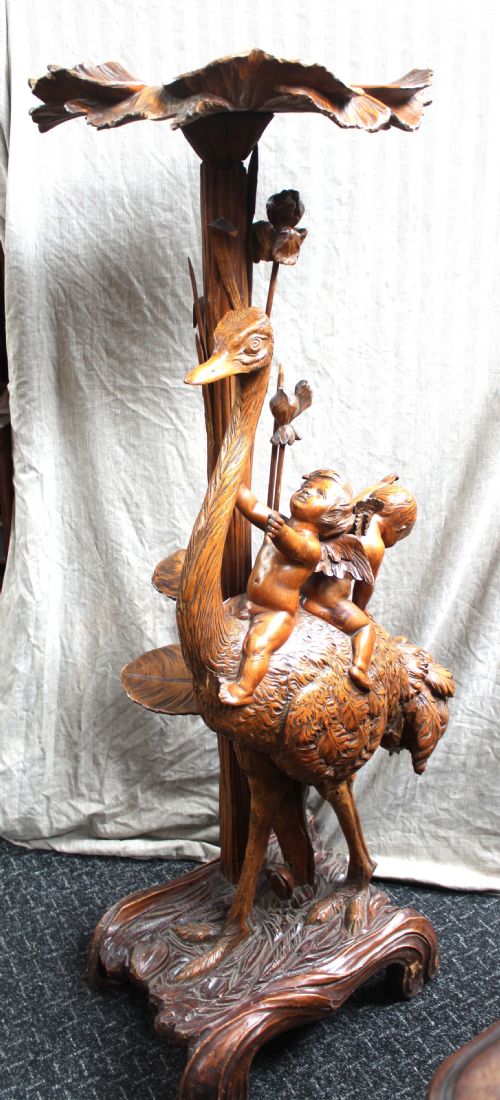
Buyers frequently encounter nineteenth-century pieces alongside older seventeenth and eighteenth-century examples showing Baroque and Neoclassical influences. These supports range from simple triform wooden bases to elaborate figural carvings incorporating putti and mythological motifs.
Materials and Construction
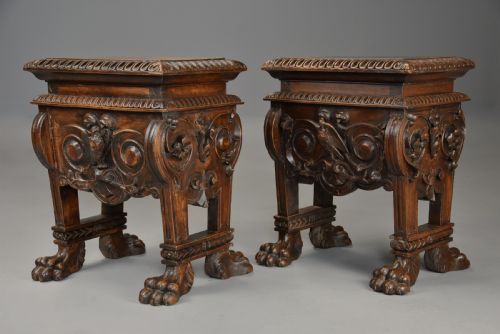
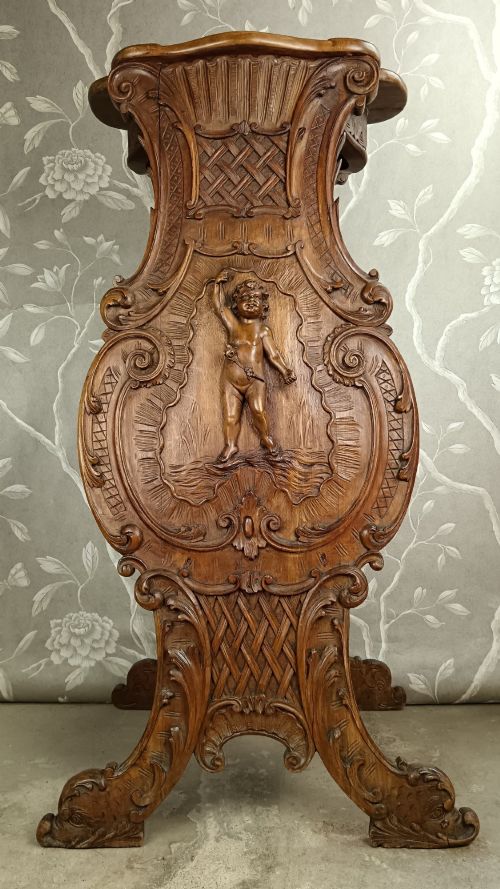
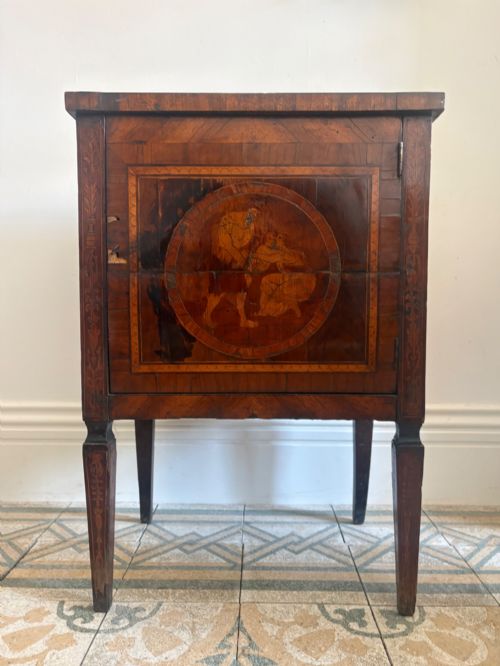
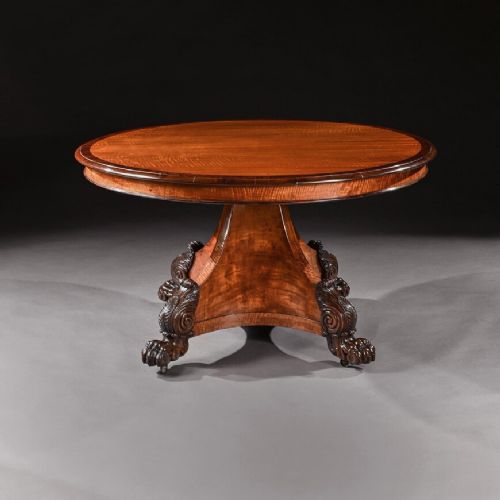
Walnut, lime wood, and various exotic timbers form the structural core of wooden pieces, often enhanced by gilding, gesso, and polychrome paint. Artisans employed meticulous carving techniques to produce deep relief ornamentation, scrolls, and human figures.
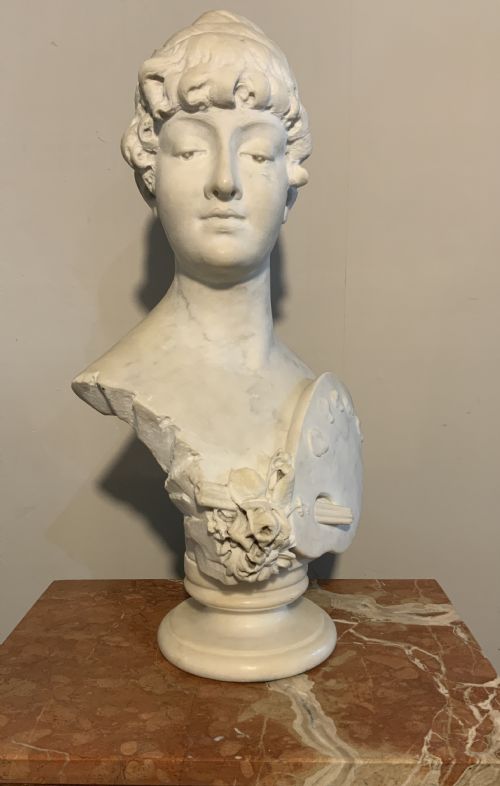
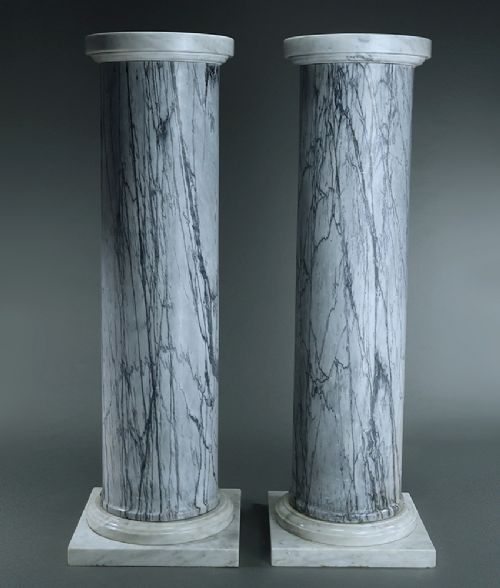
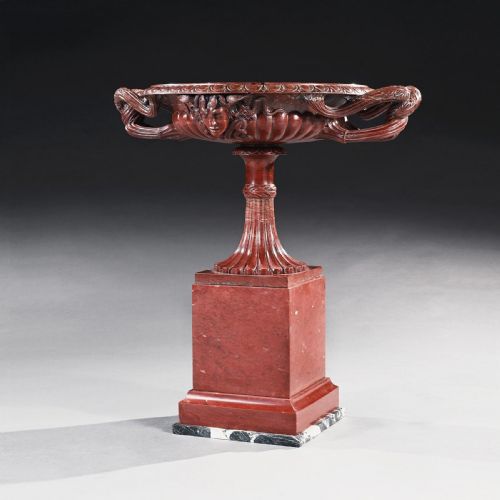
Marble types such as Carrara, Bardiglio, Verde Antico, and Rosso Antico appear extensively, frequently paired with scagliola or inlaid stone work. Bronze and brass elements also supplement stone and wood constructions, particularly in Grand Tour souvenirs and torchiere mounts.
Look closely for carved putti hiding beneath walnut torchiere bases, silently hoisting heavy tabletops on their tiny shoulders.
Assessing Quality and Execution
Quality rests primarily on the depth and crispness of the carving, where master sculptors achieved lifelike musculature, drapery, and facial expressions on figural supports. Superior examples display balanced proportions and harmonious integration between the supporting column and its decorative base.
The choice and integrity of materials further distinguish exceptional items, from finely figured walnut grain to flawless sections of decorative marble. Original surface treatments, such as authentic polychrome paint and period gilding, retain greater artistic merit than later restorations.
Benedetto Boschetti·Peters of Genoa·Valentino Besarel·Ulisse Cantagalli
The Antique Italian Pedestal Glossary
- Torchiere
- A tall stand or floor lamp originally designed to hold a torch or candle. These architectural supports often feature carved wooden shafts and detailed tripod bases.
- Scagliola
- A composite material made from selenite, glue, and pigments, applied to mimic natural marble and other hard stones. Craftsmen inlaid this substance to create intricate coloured patterns.
- Tazza
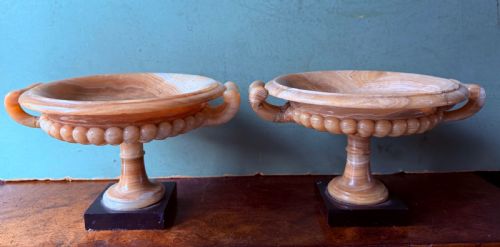
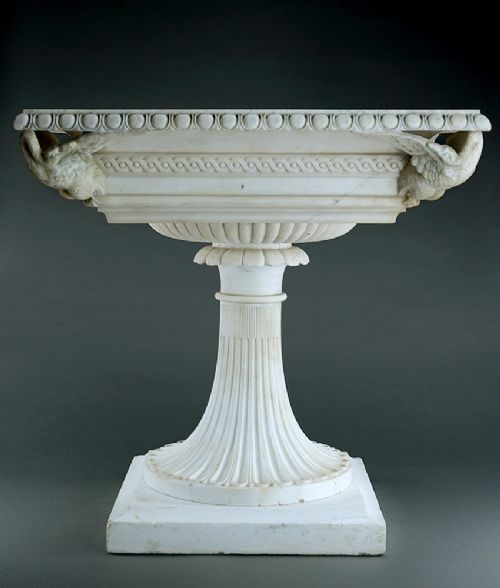
- A shallow cup or vase on a pedestal foot, commonly produced in marble or bronze during the Grand Tour period. These decorative vessels frequently replicate classical antiquities.
- Campana Urn
- A bell-shaped vessel with flared rims and loop handles, typically cast in bronze or carved from stone. Such pieces reflect ancient Roman funerary and garden urn designs.
- Marquetry
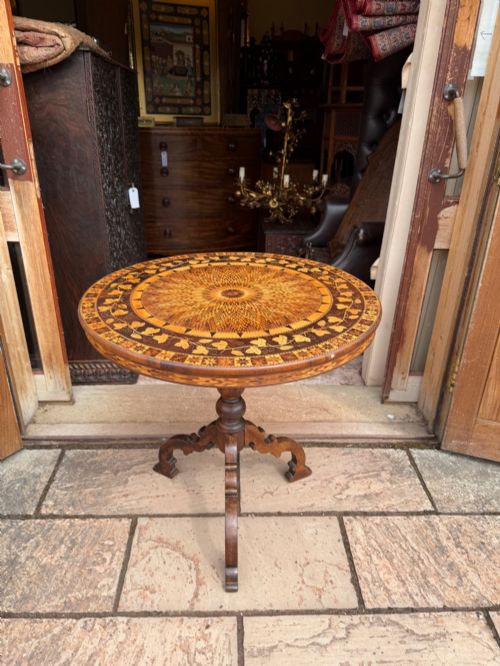
- The art of applying thin veneers of wood and other materials to form decorative patterns and pictures on furniture surfaces. Sorrento workshops specialised in this intricate decorative technique.
Antique Italian Pedestal: Frequently Asked Questions
What is a Grand Tour pedestal?
Grand Tour pedestals and columns were acquired by wealthy travellers touring cultural centres in Italy during the eighteenth and nineteenth centuries. These smaller-scale marble and bronze pieces served as souvenirs celebrating classical antiquity.
They often replicate famous architectural fragments or statues seen in Roman and Florentine collections, utilising authentic local stones like Rosso Antico and Verde Antico.
How were torchiere bases used?
Torchiere bases functioned as elevated stands for lighting devices, holding candles or oil lamps to illuminate large rooms and hallways. Their sturdy three-legged or columnar designs provided necessary stability for open flames.
Over time, many of these tall wooden and bronze supports transitioned into display stands for decorative urns, figures, and floral arrangements.
How do I distinguish walnut from painted pieces?
Walnut pieces display the natural grain and rich warm tones of the timber, frequently accented by clear polish or subtle wax finishes. Carvers utilised this hardwood for deep relief work because it holds fine architectural detail.
Painted or polychromed items rely on layers of gesso and pigment to achieve colourful, decorative surfaces, a technique strongly associated with Venetian furniture traditions.
Where should I place a marble column?
Marble columns suit prominent interior spaces where their weight and solid stone composition can be securely supported. They provide a stable, classical platform for displaying bronze sculptures, ceramic planters, or decorative bowls.
When positioning them, ensure the floor surface is level and capable of bearing the considerable weight of dense stones like Carrara or Bardiglio.