
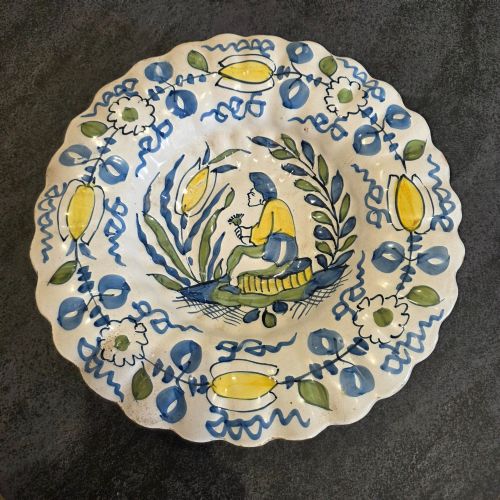
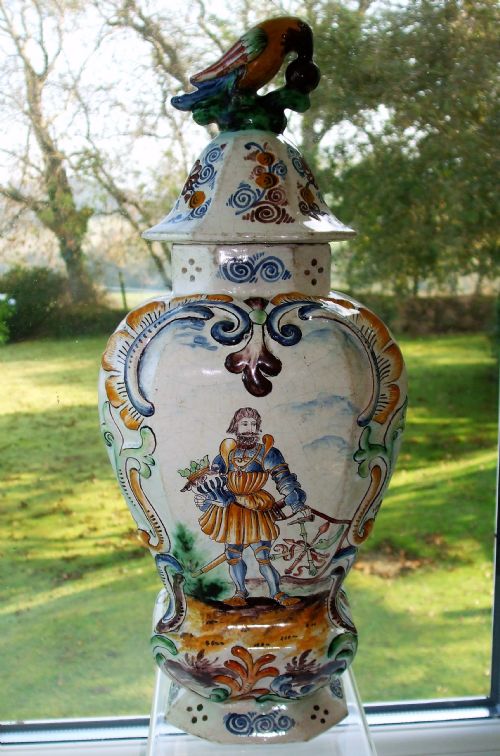
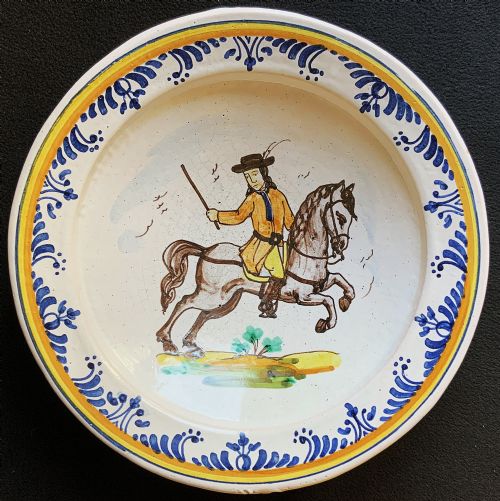


Polychrome Delftware Pottery
Polychrome delftware pottery comprises tin-glazed earthenware vessels and plates decorated in multiple colours, offering collectors vibrant historic examples of European ceramic art.
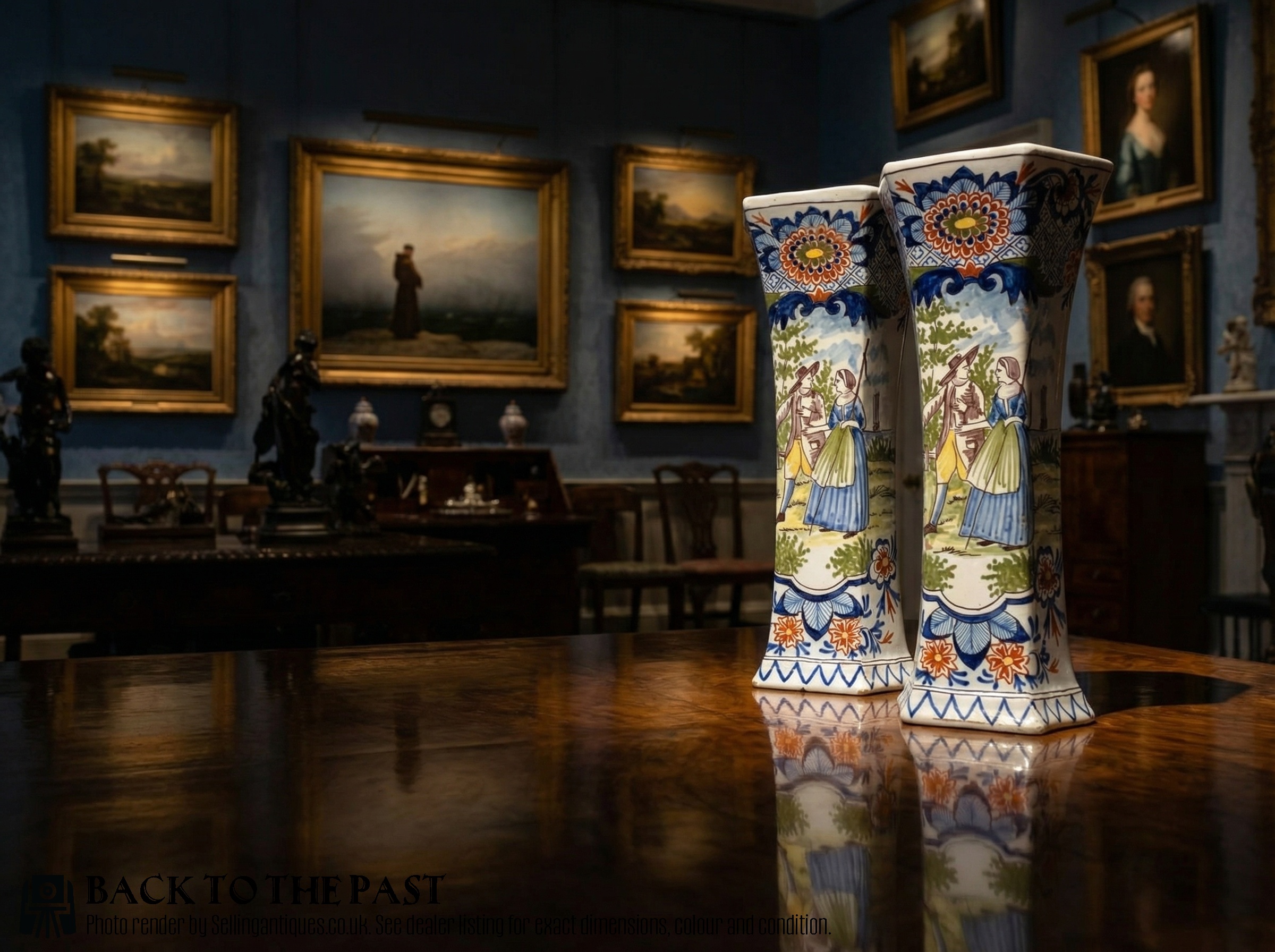
Polychrome Delftware Pottery
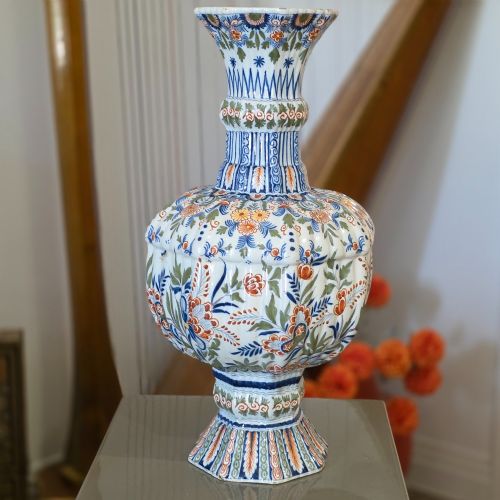
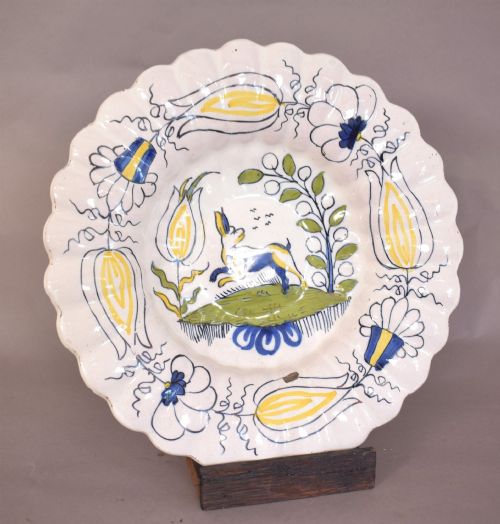
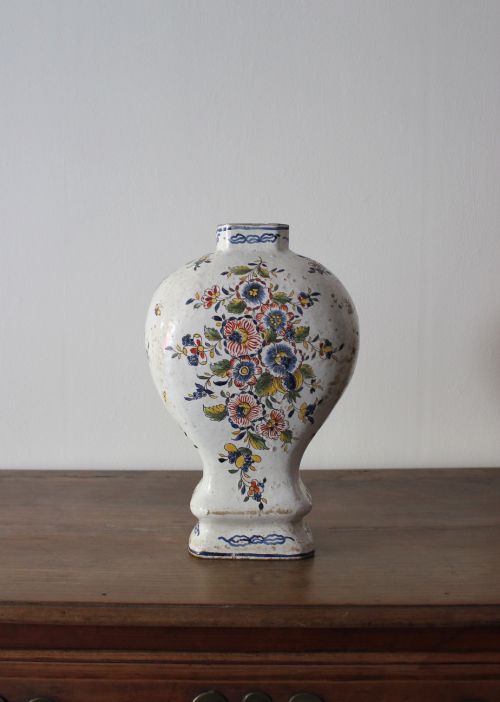
Polychrome delftware pottery consists primarily of decorative plates, chargers, vases, and dishes produced across various European centres. These items reflect traditional forms used for display or service in domestic settings.
The pieces span the seventeenth, eighteenth, and nineteenth centuries, with eighteenth-century examples appearing most frequently. Originating largely from English and Dutch workshops, these items include specialised forms such as sweetmeat presentiers, candlesticks, and wall plaques.
How they were made
Makers constructed these objects using clay, shaping earthenware into vessels, plates, and figurines before applying a tin glaze. This tin glaze provided a white, opaque surface suitable for subsequent painting.
Artisans applied pigment directly onto the unfired or raw glaze using mineral colours. Firing the pieces fused the pigments into the glaze layer, often utilising high-fire techniques such as grand feu methods.
Object forms span decorative plates, chargers, vases, jugs, candlesticks, and sweetmeat presentiers.
What varies in quality
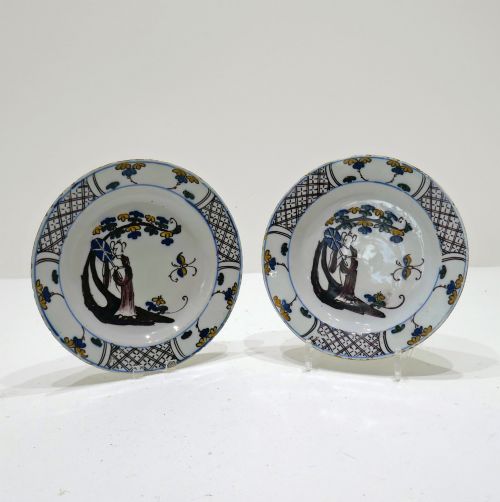
The refinement of the painted decoration distinguishes different grades of these ceramics. Detailed brushwork, particularly in Chinoiserie scenes or figurative subjects like the kneeling bishop candlesticks, sets apart superior examples from simpler designs.
Form and scale also influence the standing of a piece, with large chargers, lobed dishes, and complete vases with covers representing more ambitious output than standard plates. The crispness of the tin glaze and the stability of the earthenware body further divide standard domestic items from exhibition pieces.
3 BELLS Drie klokken Factory
The Polychrome Delftware Pottery Glossary
- Tin-glazed earthenware
- Earthenware pottery covered with a glaze containing tin oxide to produce an opaque white surface. This technique forms the foundation of all delftware production.
- Charger
- A large circular plate intended primarily for display on a sideboard or wall rather than for table service. These large surfaces often display complex polychrome painting.
- Chinoiserie
- European decorative motifs inspired by Chinese art and porcelain design. Artisans painted these fantastical landscapes and figures onto eighteenth-century plates and plaques.
- Grand Feu
- A high-temperature firing technique used for ceramics. This method allowed pigments to bond securely with the raw glaze during a single main firing.
Polychrome Delftware Pottery: Frequently Asked Questions
What is polychrome delftware?
Polychrome delftware is tin-glazed earthenware painted with multiple coloured pigments rather than traditional blue and white. These ceramics include plates, chargers, and vases produced in European kilns.
Craftsmen shaped local clay into domestic and decorative forms, coating them in an opaque white glaze before adding detailed hand-painted designs.
How were chargers used?
Chargers were large plates primarily hung on walls or displayed on furniture for decorative effect. Their generous surfaces provided ample space for detailed painted scenes.
While occasionally used for serving food in grand households, surviving examples often show display wear rather than cutlery marks from daily dining.
How do you date delftware pottery?
Dating relies on stylistic shifts in painting, shape, and tin glaze composition across the seventeenth, eighteenth, and nineteenth centuries. Seventeenth-century pieces often feature heavier earthenware bodies and distinct baroque forms.
Eighteenth-century items frequently exhibit lighter bodies and specific decorative movements like Chinoiserie or named inscriptions, while nineteenth-century pieces display heavier potting styles.
Where were these pieces made?
These ceramics originated primarily in workshops across England and the Netherlands. English production centres included London, Lambeth, and Bristol, while Dutch manufacturing centred on towns like Delft.
Spanish kilns also produced tin-glazed chargers, reflecting a widespread European tradition of earthenware production influenced by earlier Islamic pottery imports.
How should I display delftware?
Display these items away from direct sunlight and damp environments to protect the porous earthenware body and tin glaze. Plates and chargers suit wall mounting using coated wire hangers or plate rails.
Vases and covered jars require stable, flat surfaces where accidental knocks are minimised, ensuring these historic ceramic objects remain secure.