

Polychrome Ceramic Dish
When you search for a polychrome ceramic dish, you look for hand-painted colour fired onto clay, earthenware, or porcelain across centuries of global craft.

Polychrome Ceramic Dish
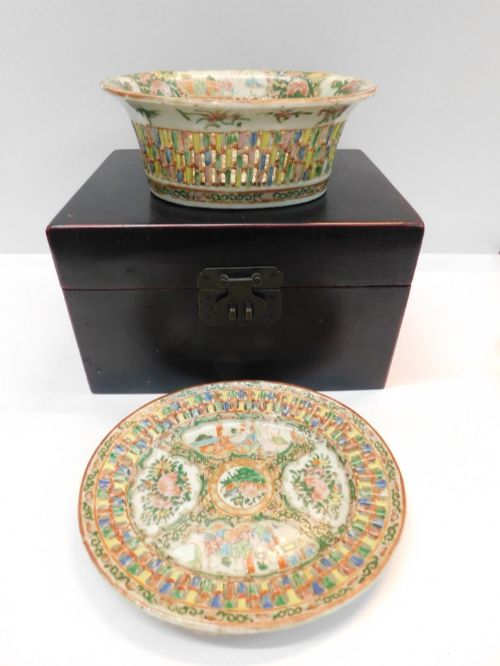
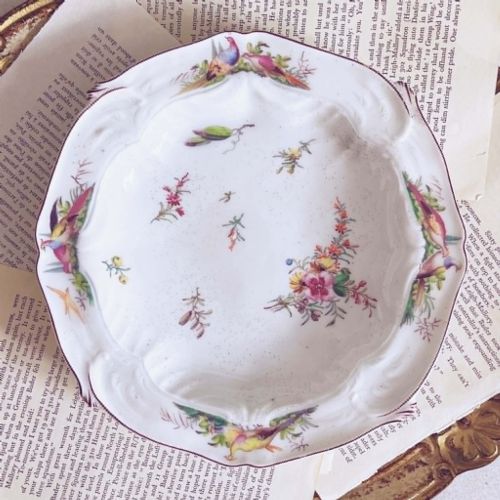
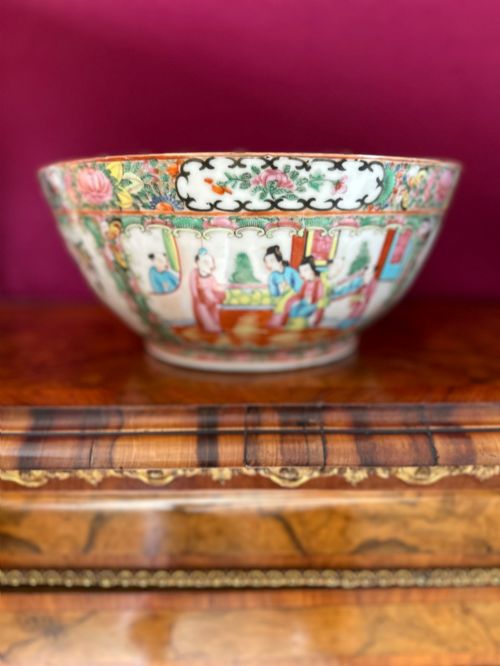
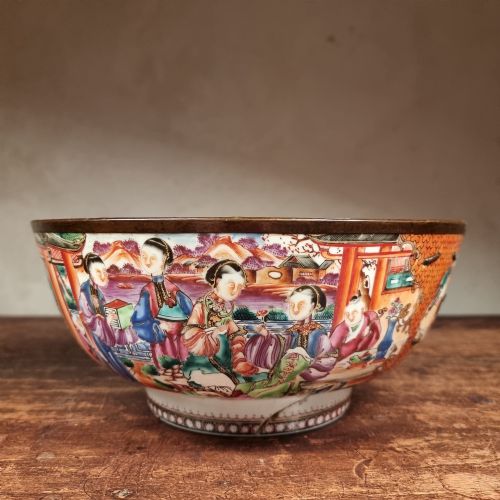
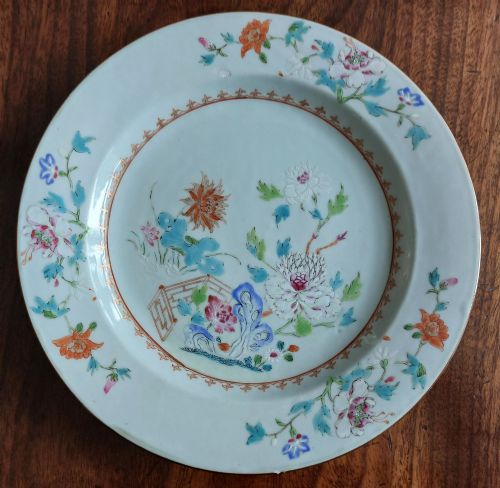
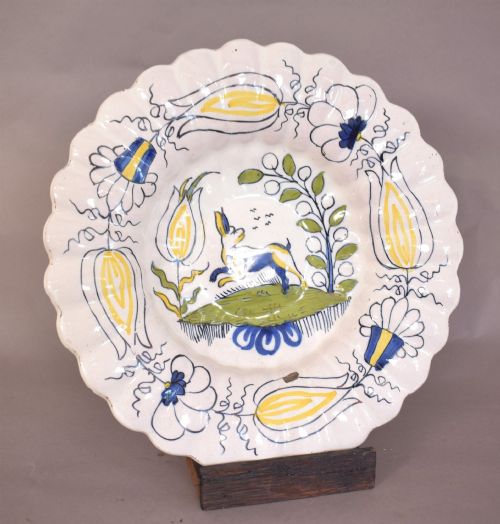
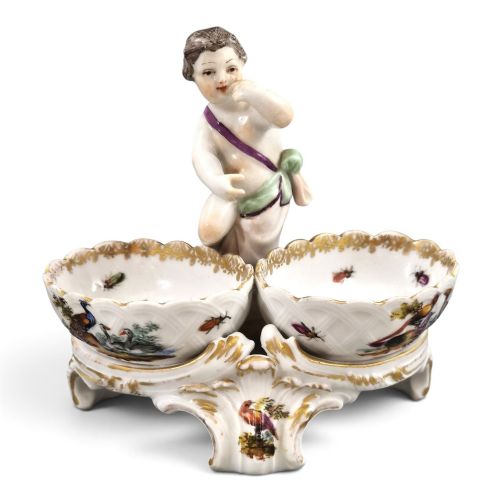
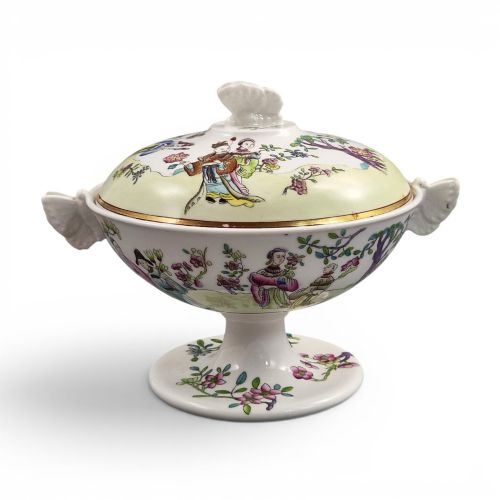
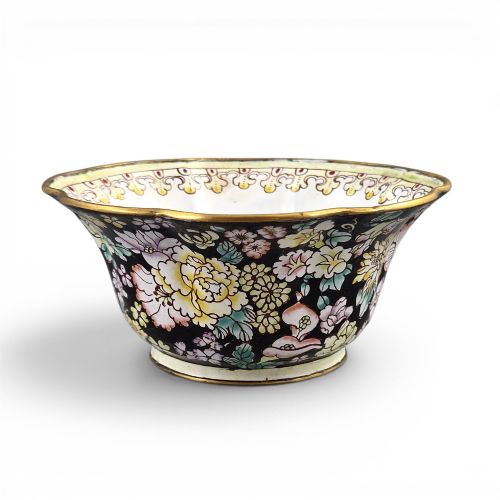
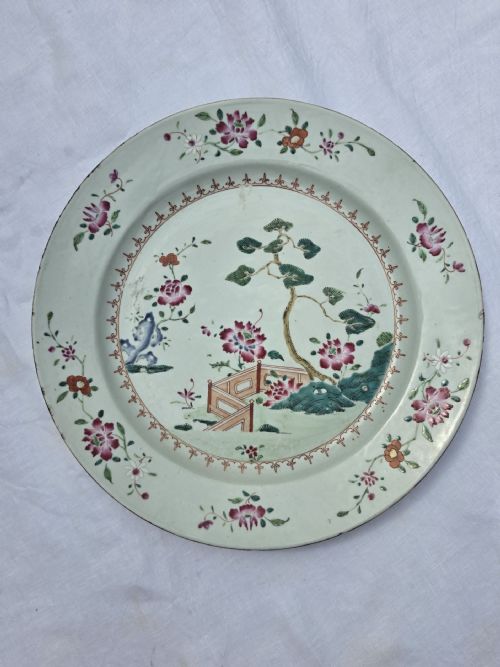
A polychrome ceramic dish spans diverse forms including chargers, dessert plates, and serving bowls created across the seventeenth, eighteenth, and nineteenth centuries. These pieces cross European factories and Asian kilns, bringing together Chinese export porcelain, English delftware, and Japanese imari wares. Buyers encounter items ranging from small trinket dishes to large display chargers.
The material ground shifts between refined porcelain, tin-glazed earthenware, and dense pottery bodies. English manufactories like Worcester, Derby, and Spode sit alongside continental European faience and East Asian export pieces. Each workshop applies distinct traditions of shape and glaze to the surface.
The domestic role of these items moves from functional dining vessels to ornamental centrepieces meant for display. Eighteenth-century dessert services and large seventeenth-century chargers demonstrate how colour and form combine to serve elite households. Surviving examples preserve the everyday and ceremonial tastes of past eras.
Materials and production methods
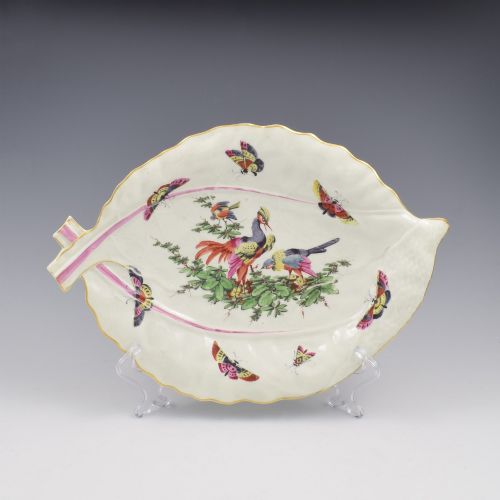
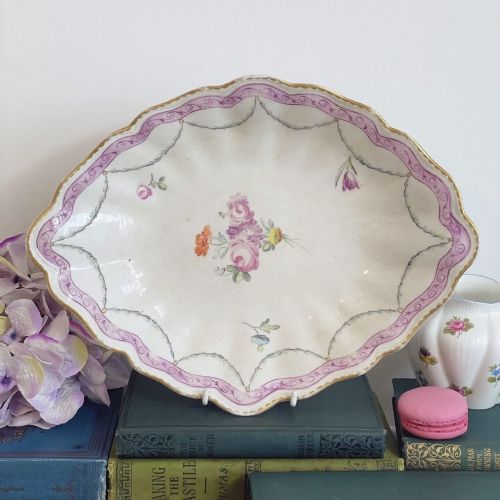
Potters shape clay, earthenware, or porcelain bodies on the wheel or press them into moulds to create leaves, lobed rims, and scalloped edges. Artisans then coat the pieces in tin-glaze, enamel, or standard ceramic glaze to prepare the surface for pigment. Gilding and gold leaf occasionally accent the painted designs.
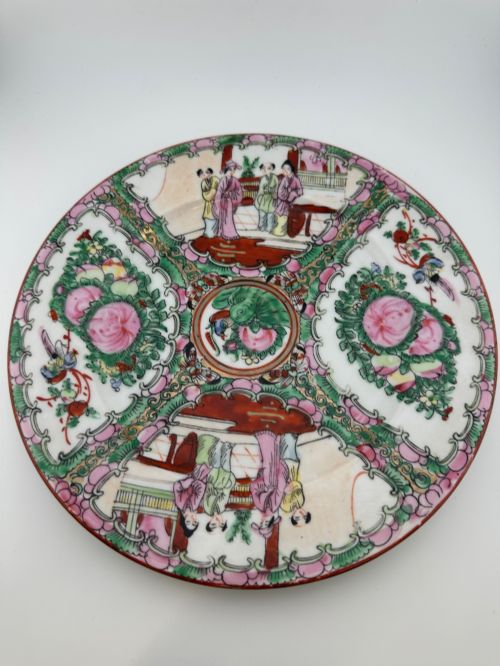
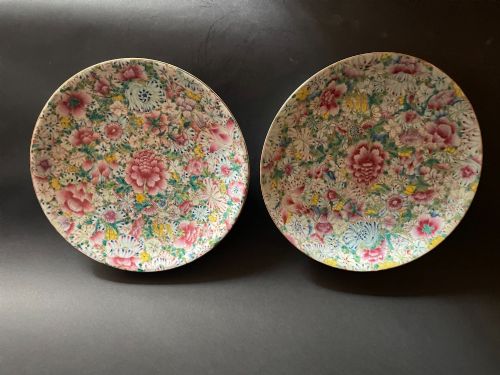
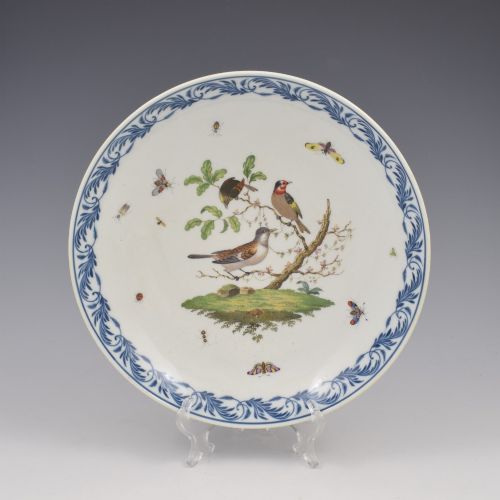
Painters apply multiple ceramic colours by hand, using mineral pigments that bond permanently with the glaze during kiln firing. Chinese export pieces utilise famille rose enamels, while European factories employ underglaze blue and overglaze enamel brushwork to render birds, flowers, and armorial crests.
Polychrome Ceramic Dish Retail Price Guide 2026
Typical asking prices for polychrome ceramic dish among the pieces listed under this phrase on Sellingantiques today, from the lower quarter to the upper quarter. They describe what is for sale here now, not the wider market.
Several dishes feature stubborn butter pats and bread crumbs of yesteryear, having clearly performed actual snack duties before retiring to the display cabinet.
Distinctions in craftsmanship and survival
The precision and fluidity of the hand-painted brushwork dictate the visual success of the surface design. Delicately rendered birds, flowers, and figures demonstrate superior control by the decorator compared to repetitive or hurried patterns.
The integrity of the glaze and the crispness of the moulded ceramic body reveal the original skill of the kiln master. Pieces that retain vibrant enamel colours without excessive scratching or wear show both initial firing excellence and careful subsequent handling.
Edmé Samson And Cie·Hicks And Meigh·Kpm Berlin
The Polychrome Ceramic Dish Glossary
- Polychrome
- Decorated in multiple colours. This term describes ceramics painted with a diverse palette of mineral pigments rather than a single hue.
- Charger
- A large ornamental plate or dish. These pieces typically measure substantial diameters and hung on walls or sat centrally on dining tables.
- Tin-Glazed Earthenware
- Pottery covered with a white opacified glaze containing tin oxide. This technique provides a smooth opaque white background for painted decoration.
- Famille Rose
- A palette of Chinese porcelain enamel colours dominated by opaque pink. Introduced in the eighteenth century, this style allows for subtle tonal gradations in floral and figural scenes.
- Imari
- Japanese export porcelain decorated in underglaze blue, iron red, and gold. This distinct aesthetic gained massive popularity across Europe during the seventeenth and eighteenth centuries.
Polychrome Ceramic Dish: Frequently Asked Questions
Were these dishes used for dining?
Many items served practical functions at the table, holding desserts, cheeses, bread, or side dishes during formal meals. Serving dishes and large bowls formed essential parts of historic dining services.
Other formats, particularly large chargers and heavily decorated display pieces, functioned primarily as decorative items for walls or sideboards. Their survival depends partly on whether their original role was active dining or static display.
How can I identify the period of a dish?
Examine the base for factory marks, painted ciphers, or impressed stamps that indicate specific manufacturing eras and workshops. The combination of paste composition, glaze texture, and painting style often points toward a particular century or decades of production.
Cross-referencing stylistic motifs like floral borders or armorial details helps narrow the date of manufacture. Comparing piece weight and rim construction against known factory standards provides further chronological clues.
What does polychrome mean on ceramics?
Polychrome refers to the use of multiple distinct colours in the painted decoration of an object. Artisans layer various mineral enamels to create complex floral, animal, or figural scenes across the ceramic surface.
This multi-coloured approach contrasts with monochrome styles that rely on a single shade, such as blue-and-white wares. The technique requires multiple kiln firings to set different pigment groups securely.