





Pink Porcelain Statue
When seeking a pink porcelain statue, collectors encounter figurative ceramics spanning diverse international traditions from the eighteenth to the twentieth century.
Pink Porcelain Statue
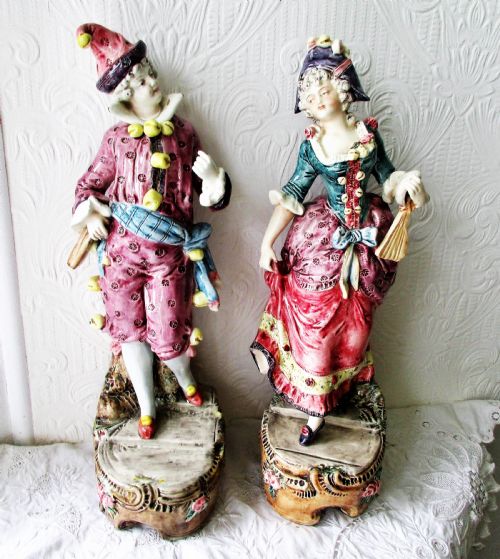
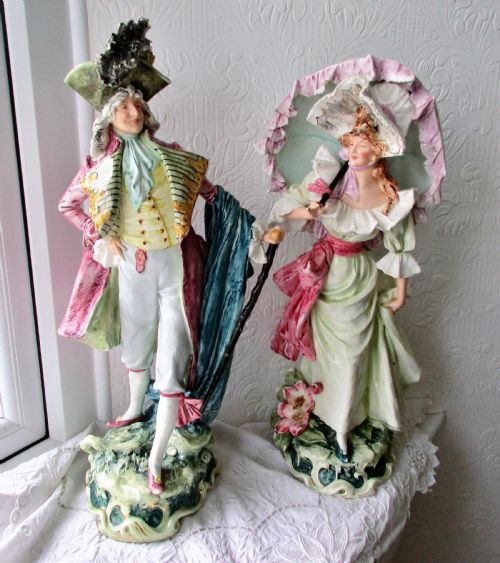
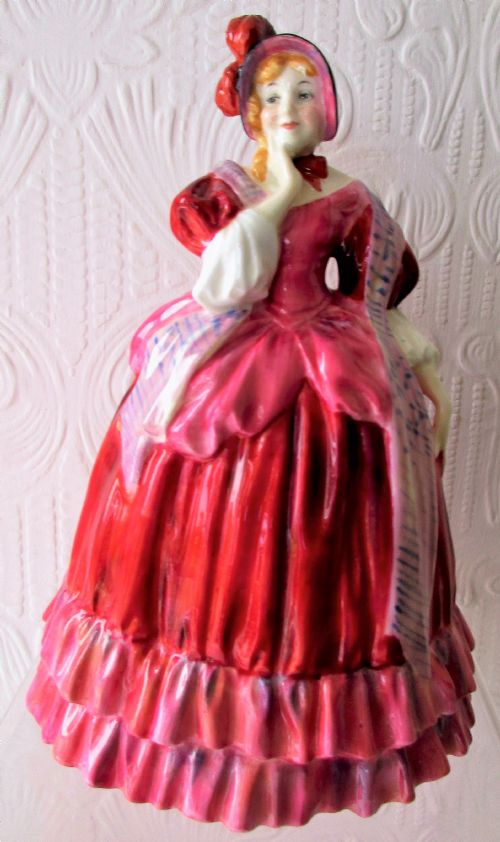
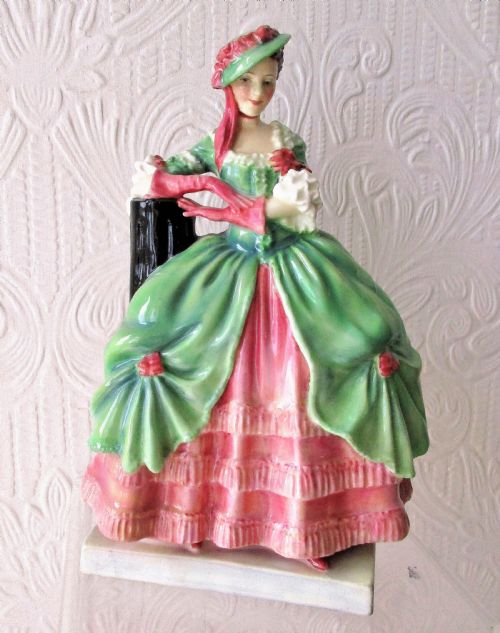
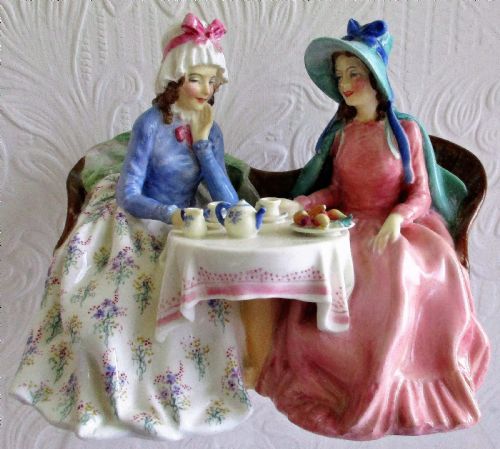
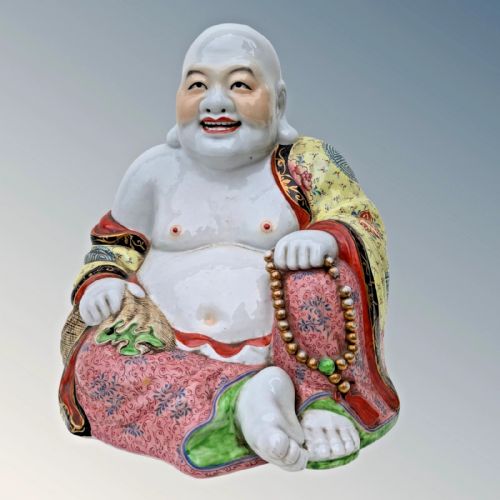
A pink porcelain statue typically takes the form of a figurine, decorative figure, or figural group representing human subjects, allegorical figures, or animals. These pieces emerge from European and Asian kilns, ranging from eighteenth-century English works to nineteenth-century French models and twentieth-century Bohemian productions.
The selection encompasses diverse stylistic movements, including Rococo Revival, Art Nouveau, and Art Deco. Buyers frequently encounter nineteenth-century European porcelain figures alongside early twentieth-century Bohemian models and English bone china figurines.
Forms vary from small cabinet pieces to monumental centrepieces and pairs of companion figures. Subjects span historical characters, mythological figures, and genre scenes executed in glazed or biscuit ceramic.
Materials and production techniques
Makers utilised porcelain, bone china, earthenware, and faience, shaping the clay through moulding or hand-modelling techniques. Biscuit porcelain remained unglazed to produce a matte, marble-like finish, while other pieces received glossy glaze and enamel decoration.
Among the human subjects, porcelain animals occasionally make an appearance, including pugs, puppies, kittens, and pheasants.
Distinctions in quality
Quality rests upon the crispness of the modelled detail and the precision of the hand-painting, particularly in facial expressions and delicate extremities such as fingers and lace work. Superior examples demonstrate expert firing without warping, alongside sophisticated polychrome enamel work or gilding.
The reputation of the manufactory or modeller heavily influences standing, with documented works by established European factories commanding greater attention. The subtlety of the glaze application and the sophistication of the sculptural composition separate standard production pieces from masterworks.
Royal Dux Bohemia·Royal Doulton·Bourdois and Bloch·Vion et Baury·Volkstedt
The Pink Porcelain Statue Glossary
- Biscuit porcelain
- Unglazed ceramic fired once to a porous state, prized for its smooth, matte texture that resembles carved marble.
- Bone china
- A type of porcelain incorporating bone ash, developed in England to create a durable, highly white body suitable for refined figurines.
- Faience
- Tin-glazed earthenware produced widely in continental Europe, typically featuring opaque white or coloured glazes painted with enamel designs.
- Parian
- A type of fine-grained biscuit porcelain developed in the nineteenth century to imitate white marble for sculptural figures.
- Enamel
- Vitreous coloured glass fused to the ceramic surface during a secondary firing to provide permanent decoration.
Pink Porcelain Statue: Frequently Asked Questions
What periods do these figures come from?
The pieces span from the eighteenth century through the Victorian era and into the early twentieth century. Production methods and stylistic details shift noticeably between these eras.
Eighty-century works give way to nineteenth-century Revival styles, followed by Art Nouveau and Art Deco designs in the early twentieth century.
How were these decorative figures displayed?
Large figures and figural groups frequently served as centrepieces on dining tables or mantelpieces. Smaller figurines occupied display cabinets and drawing-room surfaces.
Pairs of companion figures were traditionally arranged symmetrically on furniture surfaces to balance interior decorative schemes.
How do I identify different European factories?
Makers marked their output using impressed numbers, painted stamps, or factory ciphers on the underside of the base. Stylistic traits such as specific clay bodies and glazing techniques also point to origin.
French, German, English, and Bohemian workshops each developed distinct sculptural vocabularies and finishing methods.